
San Tan Valley
HVAC for Government Buildings in San Tan Valley, AZ.
- (520) 556-8929
- Serving the entire Phoenix metro — we come to you
- Office: Mon–Fri 8:00 AM – 5:00 PM · 24/7 emergency service
- 2-year workmanship warranty · 1-year parts warranty
- Veteran-owned & operated · residential + commercial
- 23 five-star Google reviews
Government building HVAC in San Tan Valley usually means practical public-service space, not a dense downtown civic campus. Much of San Tan Valley is unincorporated Pinal County, spread across Johnson Ranch, Circle Cross Ranch, Pecan Creek, Encanterra, Skyline Ranch, and the 85140 and 85143 ZIPs. The work is often in libraries, sheriff or administrative satellite offices, community-use rooms, court-related support space, and leased suites serving a fast-growing exurban population. Many buildings are newer or build-out spaces with builder-grade rooftop units, split systems, or heat pumps now entering first-failure age. Yeti Pros is Veteran-owned & operated, AZ ROC #363372 · ROC #363423, and we come to you. For broader sector context, see our government buildings HVAC page.
The local HVAC challenge is growth pressure. A space that began as a modest administrative suite can become a busy service point as more residents use nearby public counters, meeting rooms, records areas, and support offices. Cooling has to serve staff who are there all day, residents who come and go, rooms that sit empty between meetings, and equipment spaces that cannot be treated like ordinary offices. In the San Tan Valley desert, long run time, dust, monsoon moisture, and heavy cycling expose weak parts quickly.
ZIPs served: 85140, 85143
What Government Buildings covers in San Tan Valley.
Public counter cooling repair
Repairs for front desks, waiting areas, records counters, and service rooms where comfort problems affect staff and residents quickly. We test the unit, controls, airflow, electrical components, and drains before writing the repair scope.
Rooftop unit service
Inspection, repair, and maintenance for packaged rooftop systems common in small civic, leased, and administrative buildings around San Tan Valley’s newer commercial strips and community-service spaces.
Heat pump repair
Diagnostics and repairs for commercial heat pumps serving offices, meeting rooms, satellite facilities, and public-use spaces that need dependable cooling through long southeast Valley summers.
Preventive maintenance
Filter, coil, drain, belt, electrical, thermostat, and operating checks organized into written records that can be kept with facility files or routed through a purchasing contact.
Controls and zoning
Thermostat, sensor, schedule, and zoning corrections for buildings where staff offices, public rooms, and equipment rooms are being conditioned by systems that no longer match actual use.
Replacement scoping
Written replacement scopes for failed or aging units, including equipment observations, access constraints, utility considerations, and practical staging notes for public-service operations.
What we see for government buildings in San Tan Valley.
San Tan Valley government and public-service spaces often run longer than the building shell was originally designed to handle. A small admin counter, records room, or public meeting room can become a high-traffic service point as the southeast Valley keeps growing. That extra door traffic adds dust, heat gain, and cycling load. Waiting areas may warm up every time the door opens, while staff workstations behind the counter feel overcooled because the thermostat is trying to recover the public side.
Most systems we see are packaged rooftop units, split heat pumps, ceiling cassettes, small server-room cooling, exhaust fans, and thermostats with too little zoning. In production-style buildings, one unit may serve both staff work areas and public waiting areas, which causes comfort complaints at the counter while offices run cold. In leased suites, the mechanical layout may have been inherited from retail or general office use, then stretched into public service, records, meeting, or administrative functions.
Failure patterns are familiar: weak capacitors after repeated summer starts, contactors pitted by heavy cycling, clogged coils from construction dust, economizers stuck out of position, and condensate problems during monsoon humidity. On SRP service, electrical condition matters because nuisance trips can look like equipment failure until the circuit and disconnect are checked. Rooftop access, dirty outdoor coils, loose belts, failing blower motors, and thermostat schedules also show up often when a building has been patched along instead of maintained to a public-use schedule.
Small support rooms create another layer. Records, communications, network equipment, janitorial spaces, and staff-only rooms may not have the same load as the lobby or meeting area. A thermostat in the wrong place can miss the room that matters most. A unit that seems acceptable during a quiet morning may fail to hold comfort during an afternoon public meeting, a long service window, or a hot day with constant foot traffic. We look at the building use pattern, not just the equipment tag.
Documentation matters more here than in many private buildings. Facility staff, procurement staff, and department heads need a clear record of what failed, what was tested, what was repaired, and what remains recommended. We service and document HVAC. We do not issue legal opinions, certify code compliance outside HVAC scope, or turn service notes into procurement theater. The point is useful HVAC documentation that can be retained, routed, and understood.
- 01 Airflow and static pressure
- 02 Electrical: capacitors, contactors, draws
- 03 Refrigerant-circuit behavior
- 04 Drains, safeties, and float switches
- 05 Thermostat, controls, and cycling
- 06 Ducts, returns, and room-by-room comfort
Commercial jobs we have documented.
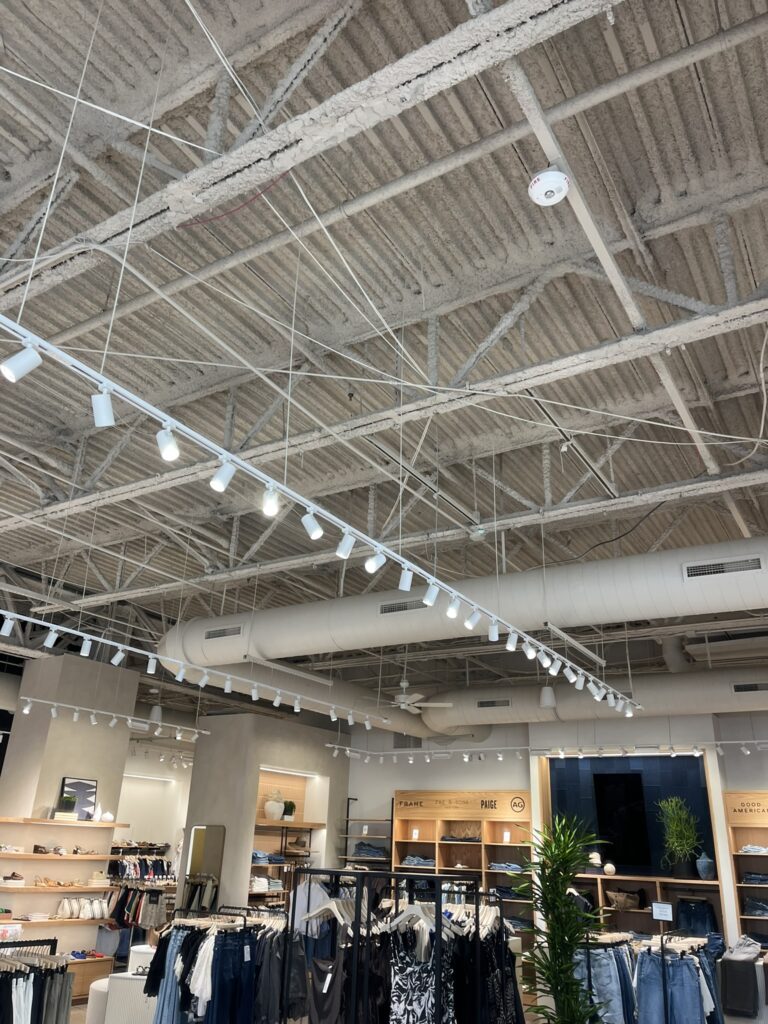
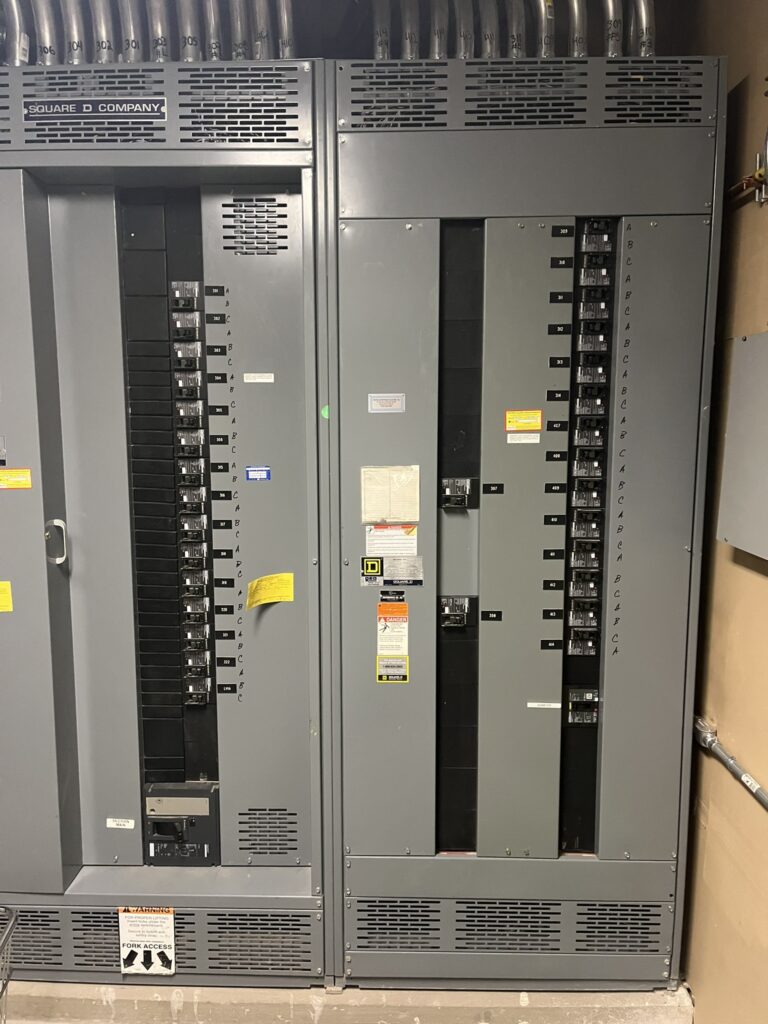
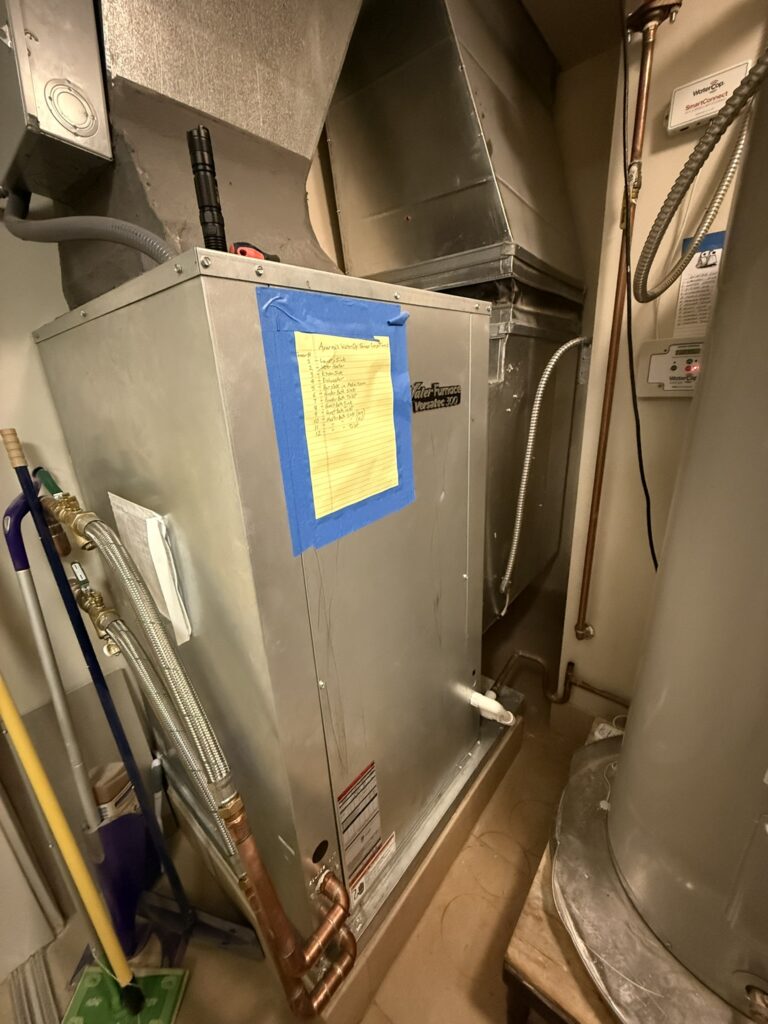
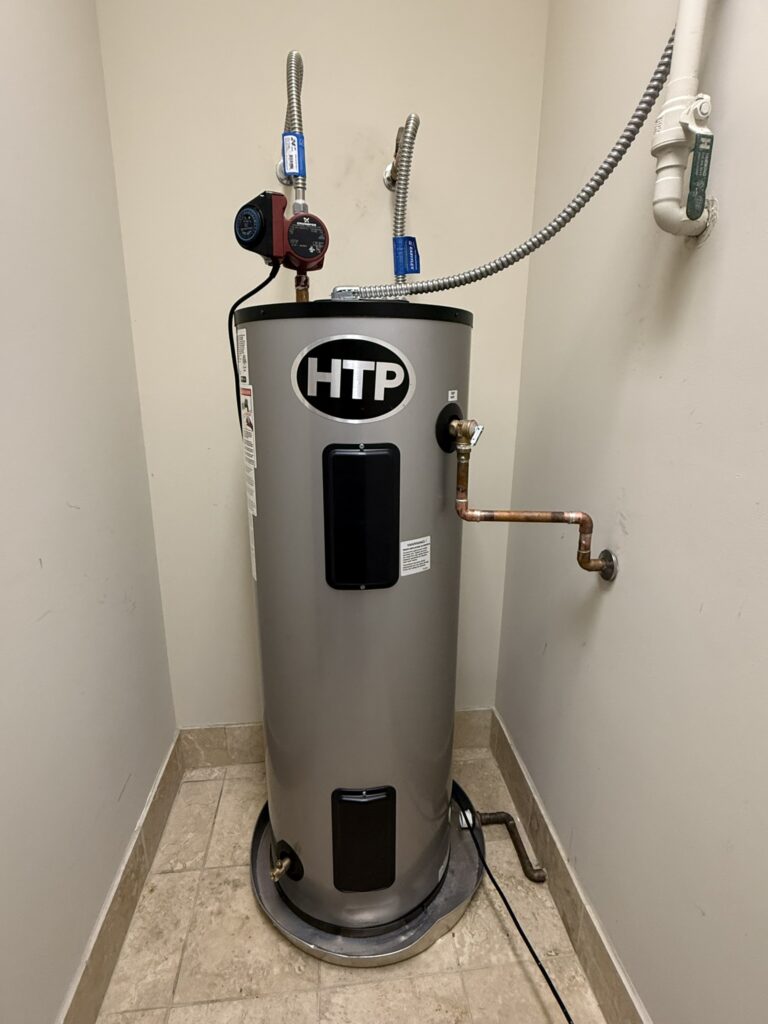
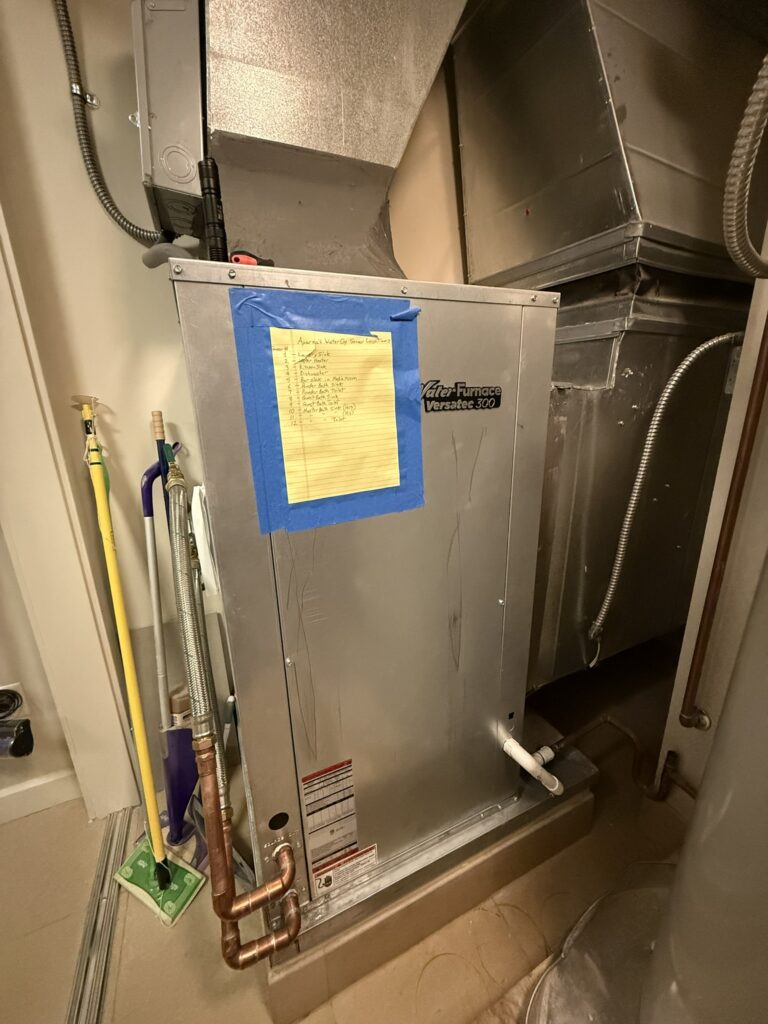
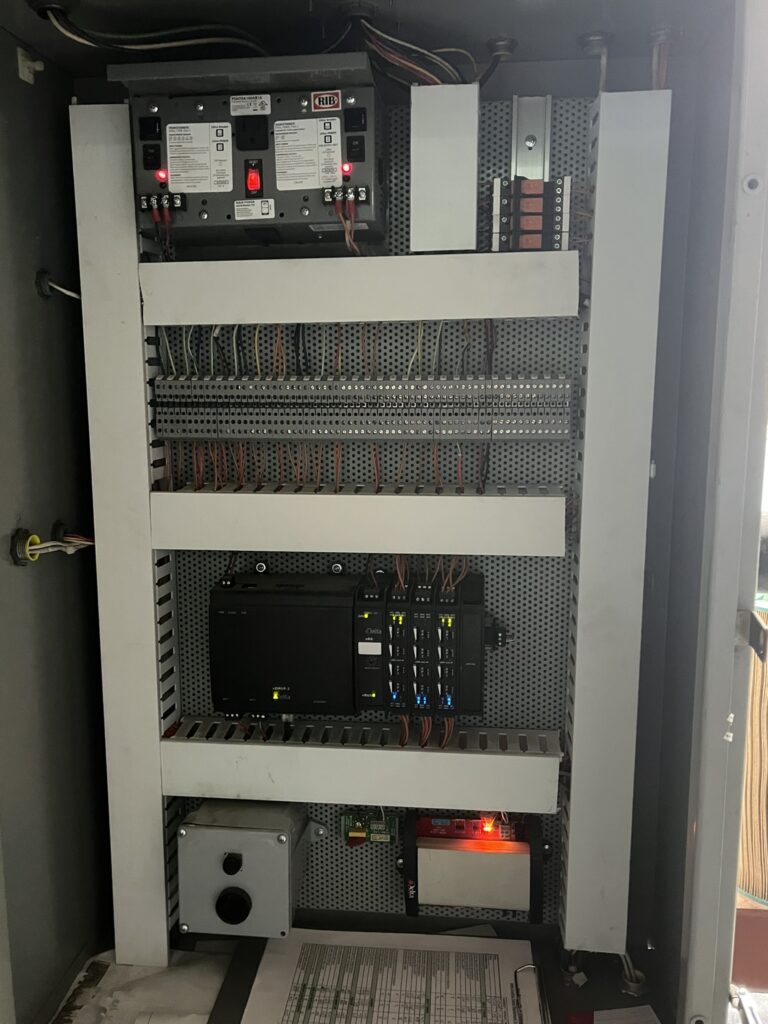
Photos from our own commercial projects across the Phoenix metro — equipment we installed, in buildings we service.
How the job typically runs.
We schedule around public access, staff-only areas, and rooms that cannot be disrupted during hearings, public meetings, or service windows. Office hours are Mon–Fri 8–5, with 24/7 emergency service when a public-facing space or essential support room loses cooling. At booking, we ask which area is affected, whether residents are present, where the equipment is located, who can provide access, and whether approval must run through a facility, clerk, purchasing, or property contact.
At booking, the diagnostic/service-call fee is disclosed and credited. After an in-person look, we provide flat-rate written quotes with scopes documented in writing. That helps a manager, clerk, or procurement contact route the work without decoding vague field notes. We identify whether the complaint is caused by equipment failure, airflow restriction, control schedules, thermostat placement, electrical issues, condensate problems, or a building-use change that the existing system no longer handles well.
For recurring facilities, we separate urgent repairs from planned work. Filters, belts, coils, drains, thermostats, and electrical checks can be grouped for predictable maintenance, while replacements and larger repairs get written scope language that a public office can retain. We also account for practical disruption: roof access during public hours, ceiling work near counters, noise during meetings, locked staff areas, and rooms that need cooling restored before the next service window.
- 01 Booking, with the diagnostic fee disclosed
- 02 In-person diagnosis with real readings
- 03 Written flat-rate quote before work begins
- 04 The work: repair, install, or maintenance
- 05 Startup, documentation, and warranty handoff
San Tan Valley is not served by APS for this work; the relevant electric utilities are SRP. Much of San Tan Valley is unincorporated, so permit handling commonly runs through Pinal County rather than a city counter. When HVAC replacement or electrical changes require permit review, the path depends on the building location, scope, utility, and property records. We document equipment data, scope, and field findings for the HVAC work we perform. For Arizona workmanship standards, the ROC publishes the minimum workmanship standards. Yeti Pros is AZ ROC #363372 · ROC #363423.
Scope is the deciding factor. A service repair to restore cooling is different from replacing a rooftop unit, changing electrical components beyond normal repair, modifying curb or platform conditions, rerouting condensate, or changing ventilation-related work. Public-service buildings may also have landlord, property-management, or internal approval requirements that sit alongside the permit question. We keep the HVAC documents specific so the responsible contact can see what equipment was reviewed and what work is proposed.
Pricing, financing & the 10% military & first responder discount.
Cost drivers for public-service HVAC in San Tan Valley include rooftop access, occupied-hours restrictions, unit size, refrigerant condition, control failures, electrical condition, filter loading, and whether the work must be staged around public counters or meeting rooms. A failed capacitor on an accessible unit is not the same scope as repeated comfort complaints across a counter, office, records room, and meeting space served by one aging system. Dust, long cooling seasons, monsoon drain issues, and heavy cycling can also change what starts as a simple complaint.
We give flat-rate written quotes after an in-person look, with scopes documented in writing. Repair parts carry a 1-YEAR manufacturer parts warranty, and workmanship is backed by a 2-YEAR written workmanship warranty. Financing is available, and the 10% military, veteran & first responder discount is described at /military-discount/. Call (520) 556-8929.
- 01 Flat-rate written quote after an in-person look
- 02 Diagnostic fee disclosed at booking, credited to the repair
- 03 Financing available on replacements
- 04 2-year workmanship warranty; 1-year manufacturer parts warranty
- 05 10% military, veteran & first responder discount
Why a licensed HVAC contractor matters.
FAQs: HVAC for Government Buildings in San Tan Valley, AZ.
Do you handle government building hvac san tan valley service calls?
Yes. We service government, public-service, and leased administrative spaces in San Tan Valley and nearby Pinal County areas. That includes small offices, public counters, meeting rooms, records areas, and support spaces. We come to you, document findings in writing, disclose the diagnostic/service-call fee at booking, and provide flat-rate written quotes after an in-person look. Tell us the affected room, access contact, operating hours, and whether the space is public-facing or staff-only.
Can you work with procurement or board approval?
We can provide written scopes, equipment notes, repair recommendations, and quote documentation that a facility manager or purchasing contact can route internally. We do not invent compliance claims or legal language. Our role is to inspect, service, repair, maintain, replace, and document HVAC work clearly enough for the decision-maker to act. When useful, the scope can separate immediate repair from recommended follow-up so approvals can be handled in the right order.
Who handles permits in San Tan Valley?
Much of San Tan Valley is unincorporated Pinal County, so HVAC permits commonly route through Pinal County rather than a city office. The exact requirement depends on location and scope. We identify permit-sensitive replacement or electrical work during scoping and document the HVAC details needed for the process. Utility context also matters here: San Tan Valley service is SRP, not APS.
Do you service buildings on SRP?
Yes. San Tan Valley utility service is SRP, not APS. During diagnostics we check the HVAC disconnect, electrical components, startup behavior, and operating condition so utility-side assumptions do not hide a failing contactor, capacitor, motor, or control problem. That is especially important when a unit trips, short-cycles, or fails during heavy summer demand and the symptom looks intermittent from inside the building.
Can you maintain multiple public buildings?
Yes. For multiple small buildings or satellite spaces, we can group preventive maintenance by site and equipment type. The practical items are filters, coils, drains, belts, electrical readings, thermostat schedules, and written notes showing what was serviced and what needs follow-up. This is useful for libraries, administrative suites, meeting rooms, and leased public-service spaces where different contacts may need the same basic HVAC record.
What warranties apply to government HVAC repairs?
Yeti Pros provides a 2-YEAR written workmanship warranty. Repair parts carry a 1-YEAR manufacturer parts warranty. The quote and scope identify the work being performed, and the completed service record documents what was repaired or replaced. Call (520) 556-8929 for scheduling. The diagnostic/service-call fee is disclosed at booking and credited, and flat-rate written quotes are provided after an in-person look.
Every major brand, serviced and installed.





Phoenix metro: Most days a tech is already working somewhere in the Valley, so same-day appointments happen when the schedule allows. After-hours emergencies are dispatched when a licensed tech is available — a real person answers and tells you the ETA on the call.
Call (520) 556-8929Request an estimate.
No pressure, no door knockers. We look at the HVAC system, tell you what it needs (and what it doesn’t), and put the number in writing.
Need government buildings in San Tan Valley? A real person answers.
Other services we run in San Tan Valley.
Government Buildings in nearby cities.
Looking for something else nearby? All HVAC services in San Tan Valley