
San Tan Valley
HVAC for Warehouses in San Tan Valley, AZ.
- (520) 556-8929
- Serving the entire Phoenix metro — we come to you
- Office: Mon–Fri 8:00 AM – 5:00 PM · 24/7 emergency service
- 2-year workmanship warranty · 1-year parts warranty
- Veteran-owned & operated · residential + commercial
- 23 five-star Google reviews
San Tan Valley is not an old industrial warehouse market with blocks of legacy tilt-up buildings. It is a fast-growing exurban area in far southeast Pinal County, built around master-planned communities, contractors, trades, service yards, small distribution, equestrian-adjacent businesses, and flex-style operations serving Johnson Ranch, Circle Cross Ranch, Pecan Creek, Skyline Ranch, Encanterra, and nearby growth corridors. That changes the HVAC conversation. Many local warehouse users are not trying to cool a massive box to office comfort. They need honest zoning, reliable office pods, workable shop ventilation, and targeted cooling where people, parts, electronics, or inventory actually need it.
In desert conditions, the practical questions are usually about heat gain, dust, doors, airflow paths, and how the space is actually used during the hottest part of the day. A dispatch office with computers and staff has a different need than a parts cage, open storage bay, packing bench, equipment room, or drive-in work area. When those areas are served by one basic thermostat or a unit placed for a buildout that no longer matches the operation, comfort complaints become predictable.
Yeti Pros handles warehouse hvac san tan valley service for small warehouses, flex suites, contractor bays, storage buildings, and satellite operations in ZIPs 85140 and 85143. We are veteran-owned and operated, service-area based, and we come to you. AZ ROC #363372 · ROC #363423. Call (520) 556-8929. Office hours are Mon-Fri 8-5 with 24/7 emergency service. For metro-wide industry context, see our warehouse HVAC work.
ZIPs served: 85140, 85143
What Warehouses covers in San Tan Valley.
Warehouse HVAC Diagnostics
We evaluate the actual complaint: office comfort, hot workstations, weak airflow, failed cooling, excessive dust loading, thermostat problems, or uneven zones. The diagnostic separates equipment failure from building-use issues such as open bay doors, poor air separation, or conditioning expectations that do not match the space.
Office Pod HVAC Repair
Warehouse offices often carry the comfort burden for dispatch, estimating, parts, and management staff. We repair split systems, heat pumps, packaged units, thermostats, drains, and airflow issues serving office pods so the administrative side can keep operating during San Tan Valley heat.
Rooftop Unit Service
Flex buildings and small warehouses commonly use rooftop units for offices or conditioned zones. We inspect electrical components, belts, motors, coils, drains, refrigerant-side symptoms, controls, and economizer function where present, then document repairs in writing for ownership or property management.
Evaporative Cooler Service
For larger bays, evaporative cooling may be more realistic than full air conditioning. We inspect pads, pumps, belts, bearings, valves, water distribution, controls, and airflow. We also tell you when evap cooling is the wrong tool for the space or season.
Spot Cooling and Zoning
Some warehouses need cooling at a packing bench, parts area, server closet, or office wall, not across the whole shell. We assess zoning, mini-splits, duct changes, fans, and thermostat placement so cooling is aimed where it actually changes the workday.
Replacement Planning
When equipment is past practical repair, we document capacity, access, electrical fit, curb or platform conditions, duct limitations, and operational constraints. Replacement planning helps avoid surprises with roof access, downtime, tenant coordination, and expectations for open-bay performance.
What we see for warehouses in San Tan Valley.
The first warehouse question in San Tan Valley is whether the space should be fully conditioned, partially conditioned, evaporatively cooled, ventilated, or served by spot cooling. A small office pod in a contractor bay may need a conventional split system or packaged heat pump, while the storage or work area may need exhaust, makeup air, fans, swamp cooling, or targeted cooling near workstations. Treating every warehouse like a retail space creates poor results and wasted equipment run time.
Much of the area’s commercial building stock is newer or adapted from fast-growth development patterns rather than old industrial inventory. We see builder-grade heat pumps serving offices, rooftop units on flex buildings, mini-splits added to dispatch rooms, and evaporative coolers used for larger open bays. The failure patterns are familiar: clogged filters from dust, dirty coils, weak capacitors, worn blower motors, bad contactors, cracked belts, drain issues, thermostat placement problems, and units that were acceptable at buildout but are now struggling under real occupancy and equipment loads.
San Tan Valley conditions add a few practical complications. Sites are spread out, some are tucked behind community-serving retail or along developing corridors, and some operations sit closer to larger lots or yard-style properties. Dust from construction, unpaved edges, and monsoon weather can load equipment faster than managers expect. A warehouse door left open for deliveries can erase cooling gains in minutes. Office staff may complain while the bay doors are open, but the fix may be door discipline, air separation, sensor relocation, or zoning, not simply a larger unit.
We also see comfort problems caused by heat moving through the building in ways the original layout did not anticipate. A west-facing wall, a metal roll-up door, an attic or mezzanine area, a compressor room, or a small server closet can overload a nearby office even when the main unit is technically running. In open bays, high ceilings can hide heat stratification, while low returns, blocked supply paths, or fans aimed the wrong direction can make conditioned air miss the people who need it.
Filter discipline matters more here than many owners expect. Warehouses and flex suites often have dust from pallets, cardboard, power tools, vehicle traffic, landscaping, nearby construction, and open doors. A system that looks fine during mild weather can lose capacity fast when coils and filters load up before peak summer. Evaporative coolers have their own maintenance reality, because pad condition, water distribution, pump performance, belt condition, and airflow all determine whether the cooler is helping or just moving warm air.
We separate comfort complaints from process needs. An office, parts counter, server closet, dispatch room, warehouse aisle, and loading bay each has a different HVAC reality. We document readings, equipment condition, access limitations, airflow issues, and repair options in writing. We service and document HVAC; we do not certify workplace exposure, product storage compliance, cleanrooms, or legal code interpretations. The work is practical: keep staff productive, protect reasonable temperature-sensitive areas, and avoid pretending a big open box behaves like a sealed office.
- 01 Airflow and static pressure
- 02 Electrical: capacitors, contactors, draws
- 03 Refrigerant-circuit behavior
- 04 Drains, safeties, and float switches
- 05 Thermostat, controls, and cycling
- 06 Ducts, returns, and room-by-room comfort
Commercial jobs we have documented.
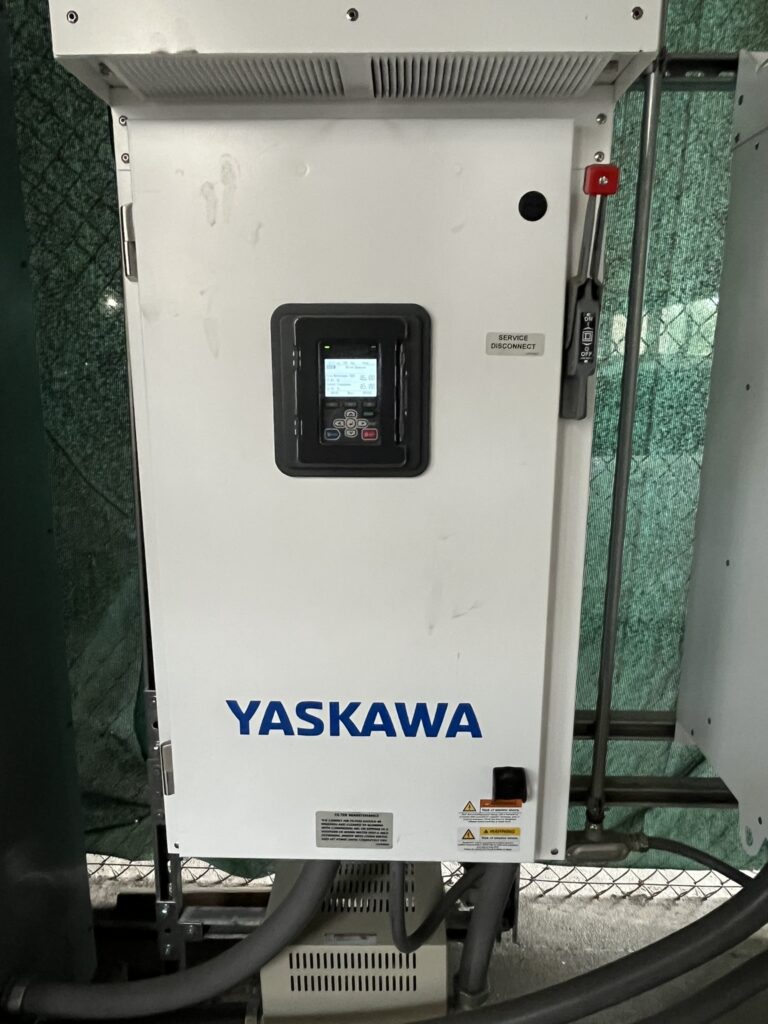
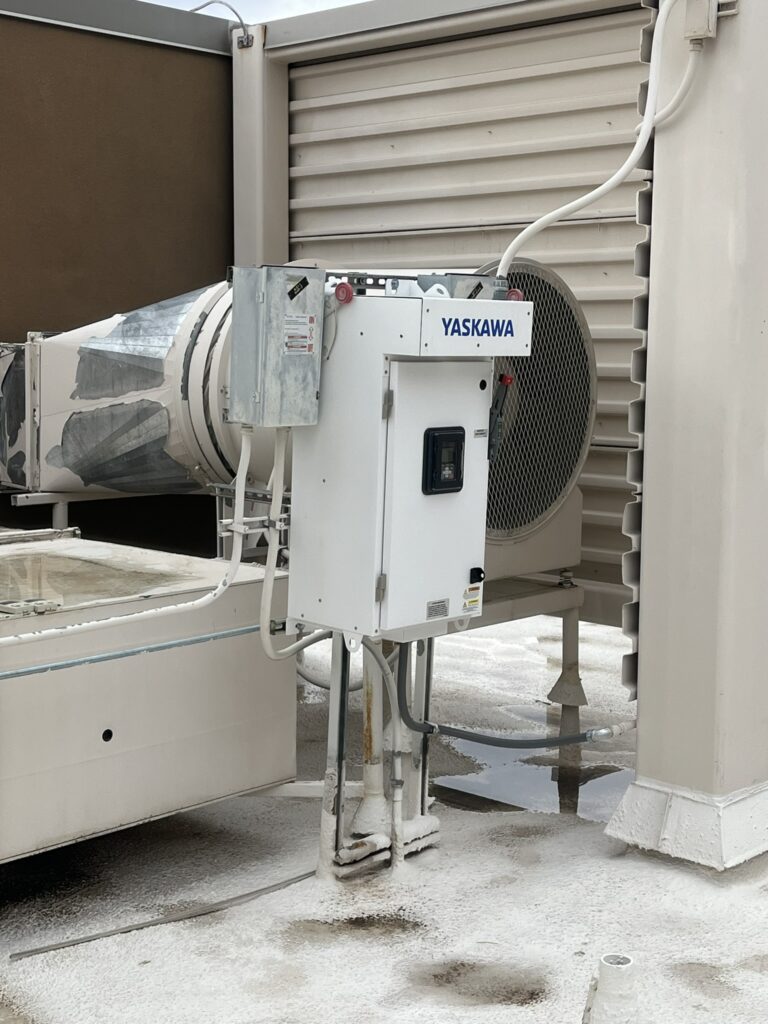
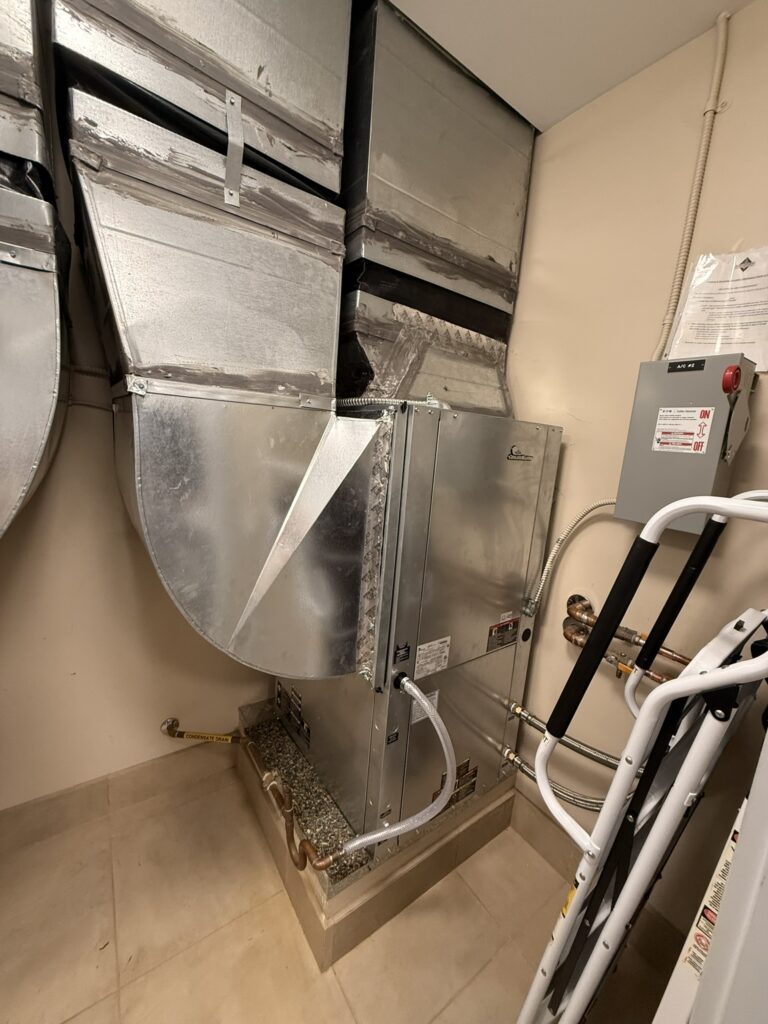
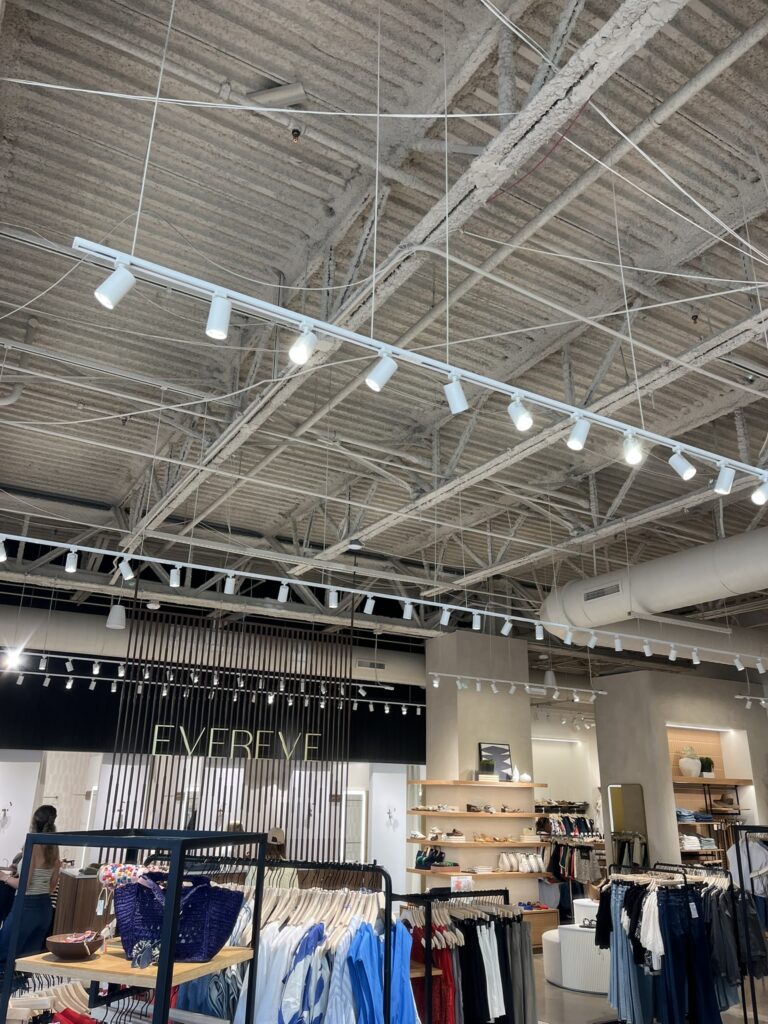
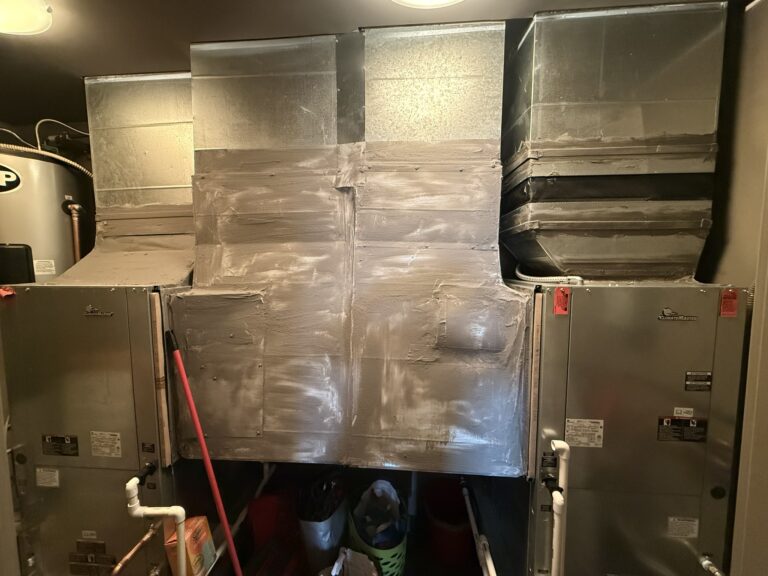
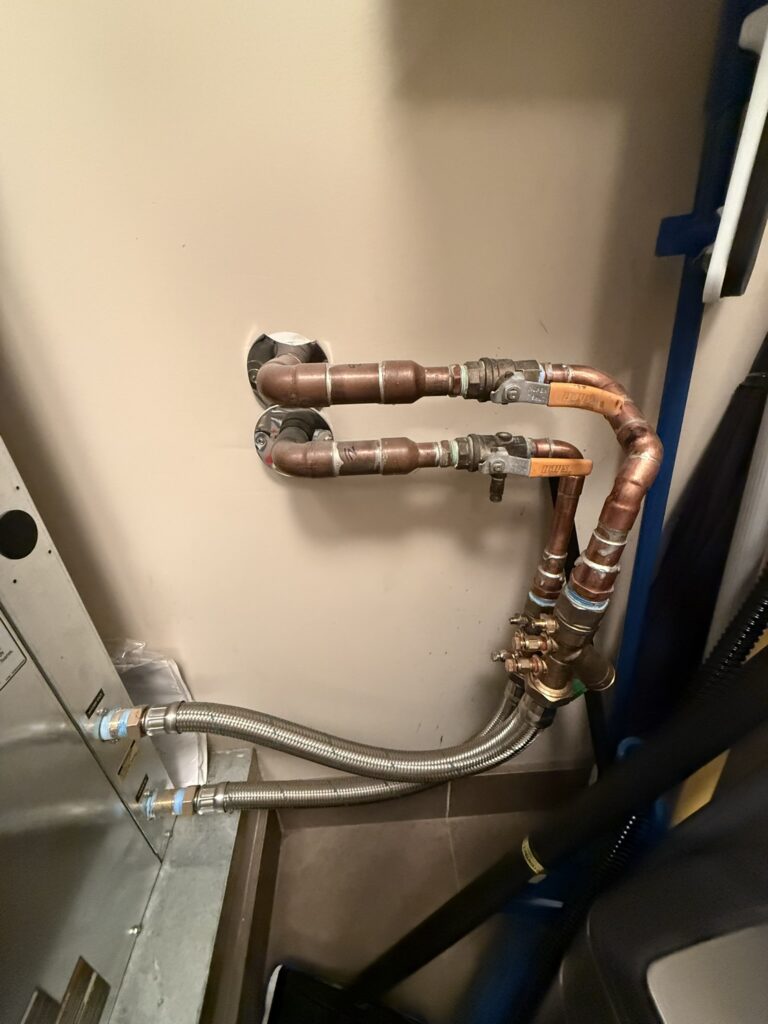
Photos from our own commercial projects across the Phoenix metro — equipment we installed, in buildings we service.
How the job typically runs.
Warehouse service has to fit receiving hours, gate access, forklifts, lifts, ladders, tenant rules, and active work bays. We confirm who can authorize work, where equipment is located, whether roof access is available, and which areas need to stay open. For occupied flex suites, we stage the work so office staff, deliveries, and shop activity can continue where possible.
Before diagnosis, useful details include which area is hot, when the problem happens, whether doors are open during that period, whether the issue changed suddenly or gradually, and whether any recent buildout, shelving, equipment, thermostat change, or office expansion occurred. That context helps avoid chasing a unit problem when the real issue is airflow separation, changed occupancy, blocked returns, or a control sensor that no longer represents the space.
During Mon-Fri 8-5 office hours, we handle diagnostics, maintenance, rooftop service, heat pump repair, mini-split repair, evaporative cooler checks, controls issues, and replacement planning. Emergency service is available 24/7 for critical cooling loss, electrical failures tied to HVAC equipment, drain problems, or office systems down during active operations.
On site, we look at the equipment and the operating pattern together. That can mean checking temperatures, airflow, electrical components, coils, filters, drain condition, thermostat behavior, roof or ground access, duct condition, and whether the conditioned zone is being overwhelmed by the warehouse bay. For evaporative equipment, we check water delivery, pads, belt and bearing condition, pump operation, airflow, and the condition of the air path. For mini-splits and office systems, we focus on actual room load, maintenance condition, and placement.
After an in-person look, we provide flat-rate written quotes. Scopes are documented in writing, including equipment served, symptoms found, recommended repair or replacement work, access notes, and any operational constraints. Diagnostic and service-call fees are disclosed at booking and credited. Financing is available when replacement or larger repair work makes that useful.
- 01 Booking, with the diagnostic fee disclosed
- 02 In-person diagnosis with real readings
- 03 Written flat-rate quote before work begins
- 04 The work: repair, install, or maintenance
- 05 Startup, documentation, and warranty handoff
San Tan Valley is in Pinal County, and much of it is unincorporated. For warehouse HVAC replacements, new equipment, curb changes, electrical tie-ins, or larger mechanical changes, permitting is generally a Pinal County issue rather than a city issue. Utility service in San Tan Valley is through SRP, not APS, so electrical coordination needs to match the actual service territory.
Warehouse work can also involve landlord approval, property management rules, roof-access requirements, tenant improvement documents, or coordination with other trades when electrical, structural support, curb conditions, duct changes, or controls are involved. A like-for-like office unit repair is different from changing how an open bay is cooled or ventilated. We keep the HVAC scope clear so owners, tenants, and managers understand what is being touched and what is not.
Yeti Pros documents HVAC scope, equipment information, repair work, and replacement recommendations. We do not act as the permitting authority, issue legal advice, or certify code compliance for a warehouse operation. We can coordinate the HVAC portion and help ownership understand what mechanical work is being proposed. Arizona ROC workmanship standards are available here: ROC minimum workmanship standards.
Pricing, financing & the 10% military & first responder discount.
Warehouse HVAC cost drivers in San Tan Valley depend on whether the goal is office comfort, spot cooling, ventilation, evaporative cooling, or full conditioning. Other drivers include roof access, unit tonnage, equipment age, refrigerant type, electrical capacity, duct condition, controls, bay-door use, ceiling height, lift requirements, drain routing, and whether the space is a small flex suite or a larger open box.
Operational details can change the scope as much as the equipment itself. A rooftop unit over an office pod with clean access is a different job than a unit over an active bay with limited ladder placement, locked gates, tenant scheduling, or roof conditions that require extra coordination. A thermostat problem may be minor, while a zoning issue caused by office expansion, added equipment, or open-bay heat gain may require a broader conversation. Evaporative coolers may need service parts and water-side correction, while refrigeration-based systems may point toward electrical, airflow, coil, drain, or refrigerant-side diagnostics.
We quote after seeing the site because a warehouse call can range from a simple office heat pump repair to a broader zoning and airflow problem. Quotes are flat-rate and written. Diagnostic and service-call fees are disclosed at booking and credited. Military, veterans, and first responders receive a 10% discount through our military discount program. Call (520) 556-8929.
- 01 Flat-rate written quote after an in-person look
- 02 Diagnostic fee disclosed at booking, credited to the repair
- 03 Financing available on replacements
- 04 2-year workmanship warranty; 1-year manufacturer parts warranty
- 05 10% military, veteran & first responder discount
Why a licensed HVAC contractor matters.
FAQs: HVAC for Warehouses in San Tan Valley, AZ.
Do you service warehouse HVAC in San Tan Valley?
Yes. Yeti Pros services warehouse HVAC, flex-suite HVAC, office pods, rooftop units, heat pumps, mini-splits, evaporative coolers, and related controls in San Tan Valley. We work in ZIPs 85140 and 85143 and come to sites near Johnson Ranch, Pecan Creek, Circle Cross Ranch, Skyline Ranch, Encanterra, and nearby commercial corridors. We handle practical service needs for contractor bays, storage buildings, small distribution spaces, shop offices, and satellite operations where comfort and airflow have to match the way the building is used.
Should I cool the whole warehouse or just the work areas?
It depends on the building, use, doors, ceiling height, people, inventory, and equipment. In San Tan Valley, many warehouse users are better served by office conditioning, spot cooling, ventilation, evap cooling, or zoning instead of trying to make a large open bay feel like a sealed office. We inspect before recommending a scope and look at where staff actually work, where heat is coming from, how doors are used, and whether separation between the office and bay is realistic.
Can you repair evaporative coolers on warehouse bays?
Yes. We service evaporative coolers used on warehouse and shop bays, including pads, pumps, belts, bearings, controls, valves, water distribution, and airflow. We also look at whether the cooler is appropriate for the space. Evap can help in the right setup, but it is not a substitute for all conditioned uses. During monsoon humidity or when air paths are poor, performance expectations need to be realistic.
Why is our warehouse office hot when the AC is running?
Common causes include dirty coils, clogged filters, weak blower motors, bad capacitors, refrigerant-side problems, poor duct design, thermostat placement, heat gain from the bay, or doors being left open. We check the office system and the separation between the office and warehouse before assuming the unit is too small. We also look for changed use, added computers or equipment, blocked returns, sun exposure, and air leaks between the office and open bay.
Do warehouse HVAC replacements in San Tan Valley go through the city?
San Tan Valley is in Pinal County, and much of it is unincorporated, so HVAC permitting is generally handled through Pinal County rather than a city. Utility coordination should match SRP service territory. We document the HVAC scope and coordinate the mechanical side of the replacement. Ownership, tenant, or property management approval may also matter depending on the building and lease arrangement.
How fast can you respond to a warehouse HVAC emergency?
Yeti Pros has Mon-Fri 8-5 office hours and 24/7 emergency service. Response depends on dispatch load, access, and site conditions, but we handle urgent warehouse calls for failed office cooling, critical area cooling loss, HVAC electrical failures, and drain issues. Call (520) 556-8929 and be ready with gate, roof, or suite access details. If the site has restricted access, active forklifts, locked roof hatches, or an after-hours contact, sharing that early helps the visit run more smoothly.
Every major brand, serviced and installed.



Phoenix metro: Most days a tech is already working somewhere in the Valley, so same-day appointments happen when the schedule allows. After-hours emergencies are dispatched when a licensed tech is available — a real person answers and tells you the ETA on the call.
Call (520) 556-8929Request an estimate.
No pressure, no door knockers. We look at the HVAC system, tell you what it needs (and what it doesn’t), and put the number in writing.
Need warehouses in San Tan Valley? A real person answers.
Other services we run in San Tan Valley.
Warehouses in nearby cities.
Looking for something else nearby? All HVAC services in San Tan Valley