
Buckeye
HVAC for Self-Storage Facilities in Buckeye, AZ.
- (520) 556-8929
- Serving the entire Phoenix metro — we come to you
- Office: Mon–Fri 8:00 AM – 5:00 PM · 24/7 emergency service
- 2-year workmanship warranty · 1-year parts warranty
- Veteran-owned & operated · residential + commercial
- 23 five-star Google reviews
Climate-controlled self storage in Buckeye is not a side feature. For many facilities along the I-10 corridor, near Sundance and Verrado, and on the edges of fast-building areas like Tartesso and Festival Ranch, it is the product customers are paying extra to trust. Buckeye’s storage market follows rooftops west: contractors, snowbirds, new homeowners between closings, small businesses, and families in 2000s-2020s production homes with garages already full. That means long interior corridors, roll-up doors opening into hot drives, and packaged equipment asked to hold steady while desert dust rides every move-in.
Yeti Pros handles commercial self storage HVAC for operators who need the building to stay usable without pretending every unit is a cleanroom. We service APS-powered sites across Buckeye, ZIPs 85326 and 85396, with written scopes, flat-rate written quotes after an in-person look, and emergency response when a corridor zone drops out during rental hours. Veteran-owned & operated. AZ ROC #363372 · ROC #363423. Call (520) 556-8929.
ZIPs served: 85326, 85396
What Self-Storage Facilities covers in Buckeye.
Climate Corridor Cooling Repair
We diagnose packaged units, split systems, controls, sensors, airflow, and duct issues serving climate-controlled storage corridors. The goal is practical: identify why paid climate areas are drifting hot, short-cycling, or running constantly in Buckeye heat.
Rooftop Unit Service
Many storage sites use rooftop packaged equipment over long interior halls. We service coils, belts, motors, capacitors, contactors, drain assemblies, thermostats, and electrical components, with written notes on roof access and equipment condition.
Airflow and Zoning Checks
Uneven corridors often come from return restrictions, duct leakage, failed dampers, poor sensor location, or tenant-side air paths. We test airflow and separate equipment failure from building-layout problems before quoting corrective work.
Preventive Maintenance
Buckeye dust, construction traffic, and long cooling seasons punish storage HVAC. Maintenance focuses on coil cleaning, filter condition, electrical checks, refrigerant indicators, drain performance, and early signs of heat-damaged components.
Office HVAC Service
The rental office, manager workspace, restroom, and retail supply area need separate attention from storage corridors. We repair and maintain smaller split or packaged systems so staff are not working around tenant climate complaints.
Emergency Cooling Response
When a climate-controlled zone fails during Buckeye summer, we provide 24/7 emergency service. We confirm access, inspect the failed system, document findings, and quote the repair in writing before work proceeds.
What we see for self-storage facilities in Buckeye.
In Buckeye self-storage buildings, the equipment problems usually start with the gap between design intent and real operation. Climate-controlled corridors may have packaged rooftops, split systems, or ducted units serving long runs of interior units. The system is not only cooling people at a counter. It is protecting the paid storage environment through corridors, unit partitions, roll-up door edges, and loading-area traffic. When a door seal fails, a tenant props an exterior door, or a corridor return gets starved, the equipment runs longer and still leaves hot pockets.
We see first-owner systems from Buckeye’s growth years moving into their first major repair cycle. A storage site built when nearby subdivisions were new may now have compressors, blower motors, contactors, economizer parts, and thermostats reaching the point where maintenance history matters. Dust from open desert, nearby pads under construction, and I-10 corridor traffic can load coils faster than managers expect. Dirty condenser coils on low-slope roofs are common. So are weak capacitors, heat-stressed wiring, and filters that were sized for normal use but are now catching move-in dust every weekend.
Climate complaints at storage properties are often uneven. One hallway feels acceptable while the next is stale, humid, or noticeably hotter. That can come from failed dampers, crushed flex, separated duct, poor sensor placement, return-air imbalance, or units being added without the airflow work to match. We also look hard at corridor doors and thresholds. HVAC cannot win against missing sweeps, damaged weatherstripping, loading doors left open, or attic-style heat paths above partitions. We service the equipment, but the building envelope decides how much punishment that equipment takes.
Buckeye’s long dispatch distances change the stakes. A small failure that might be tolerated for a day in a dense city can become a string of refund requests, office complaints, and bad reviews when customers drive across the far West Valley to access stored items. We document what failed, what we tested, and whether the issue is mechanical, airflow-related, controls-related, or tied to doors and building leakage. For broader cooling repairs, see commercial AC repair.
- 01 Airflow and static pressure
- 02 Electrical: capacitors, contactors, draws
- 03 Refrigerant-circuit behavior
- 04 Drains, safeties, and float switches
- 05 Thermostat, controls, and cycling
- 06 Ducts, returns, and room-by-room comfort
Commercial jobs we have documented.
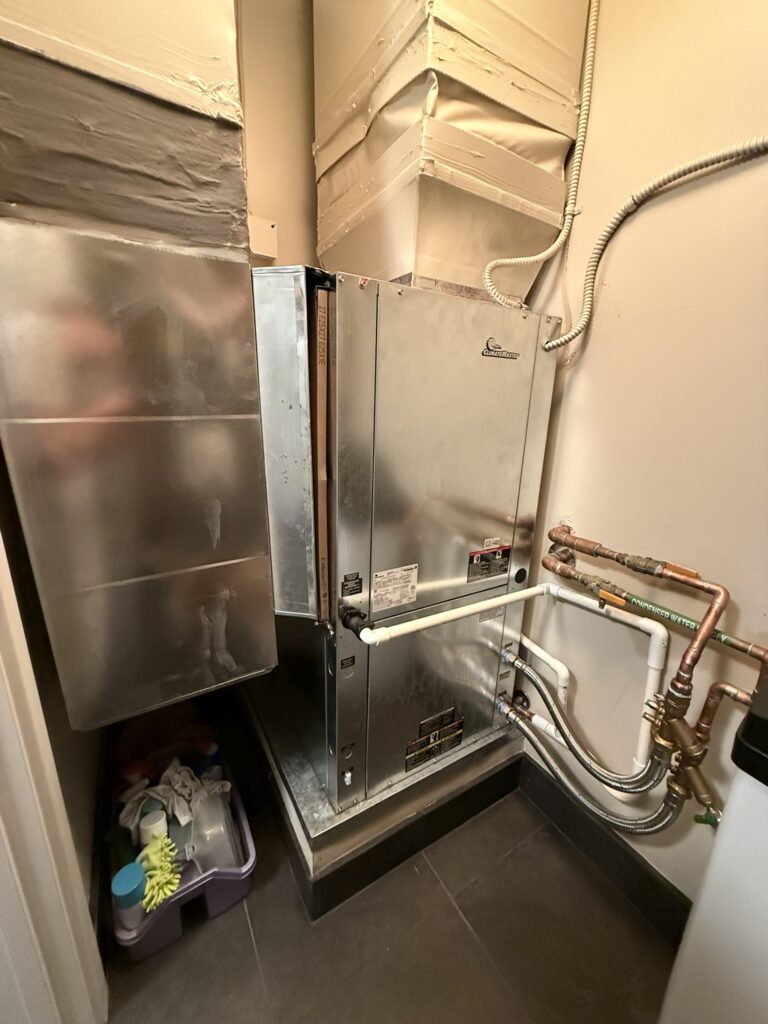
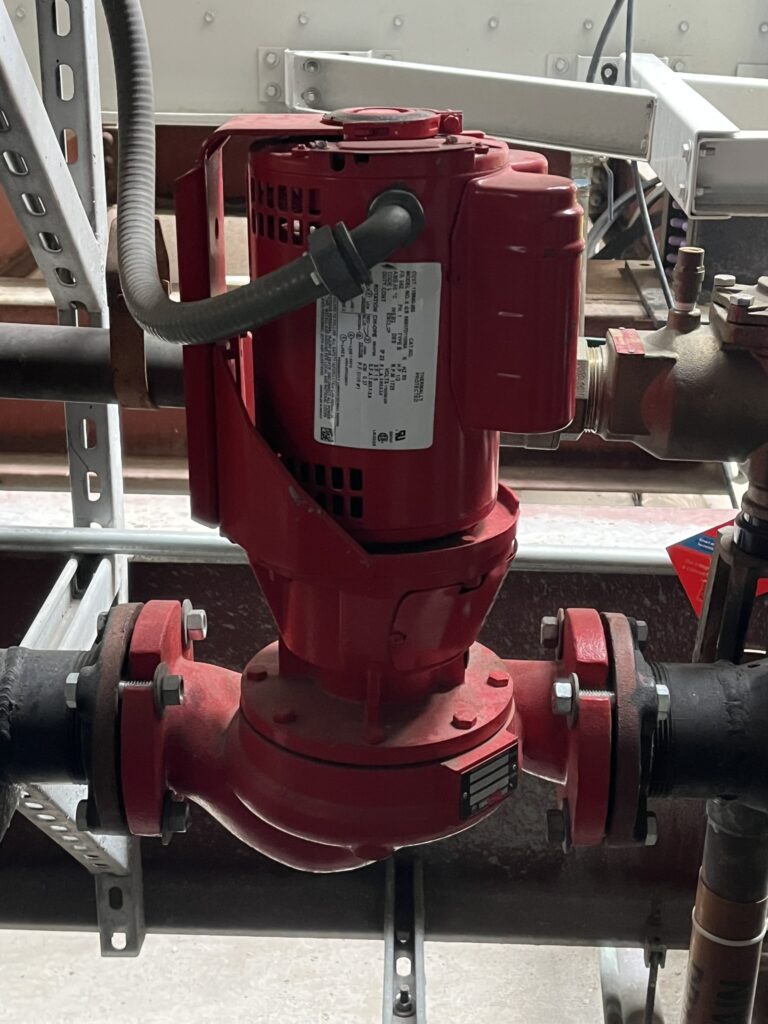
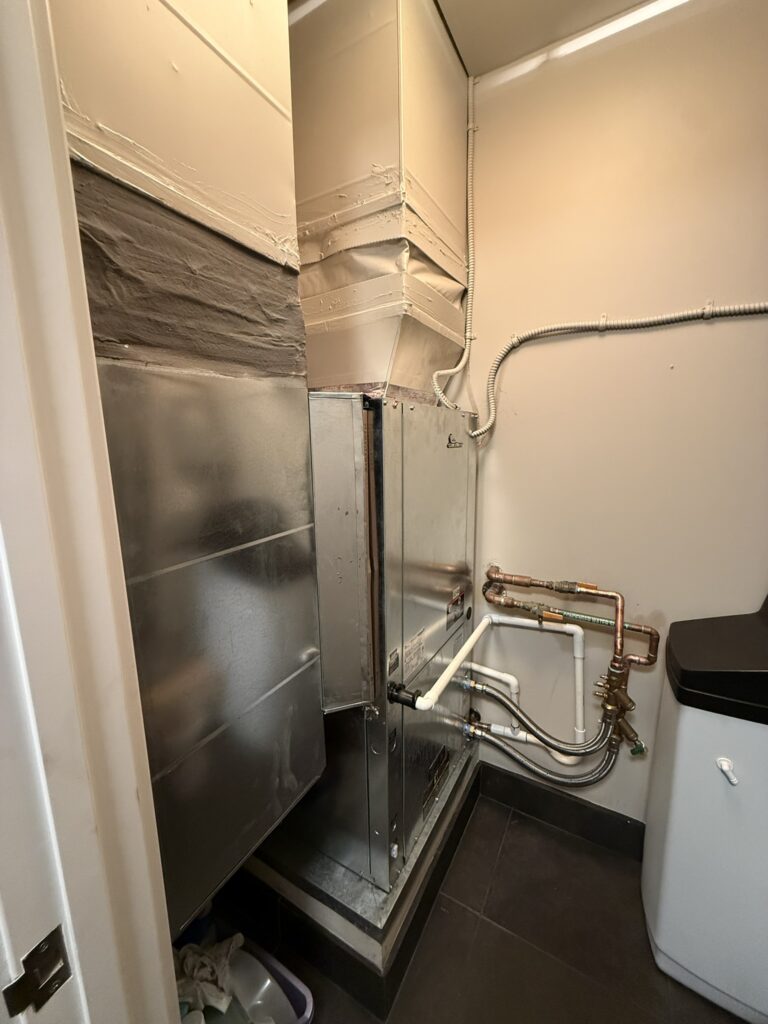
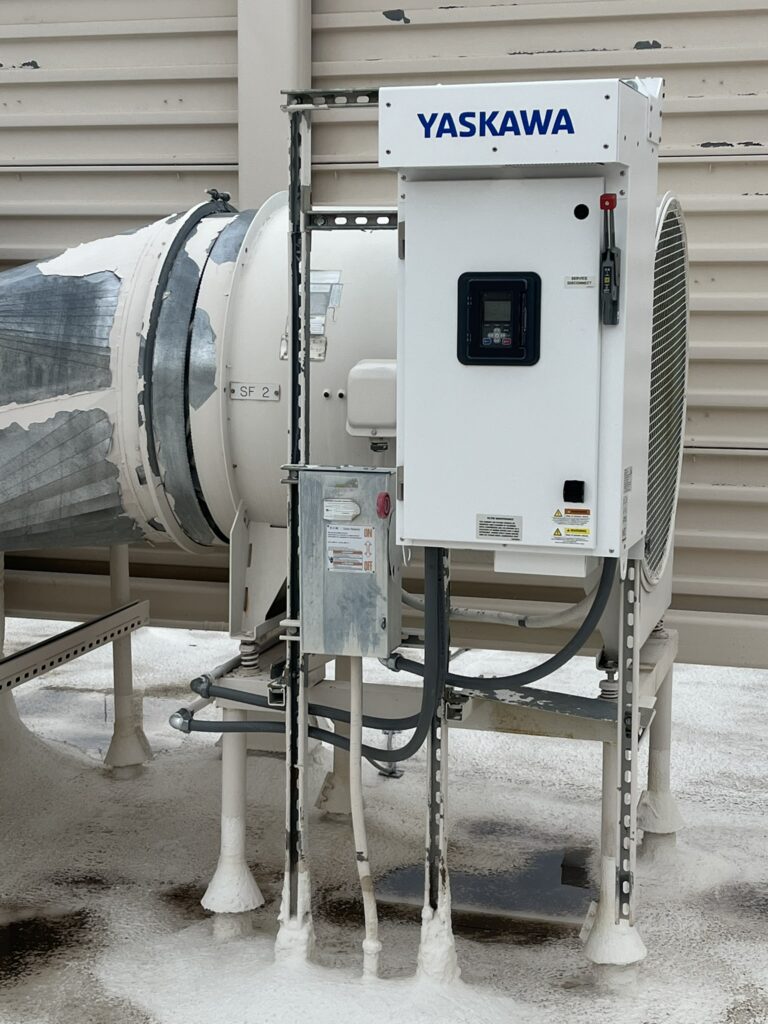
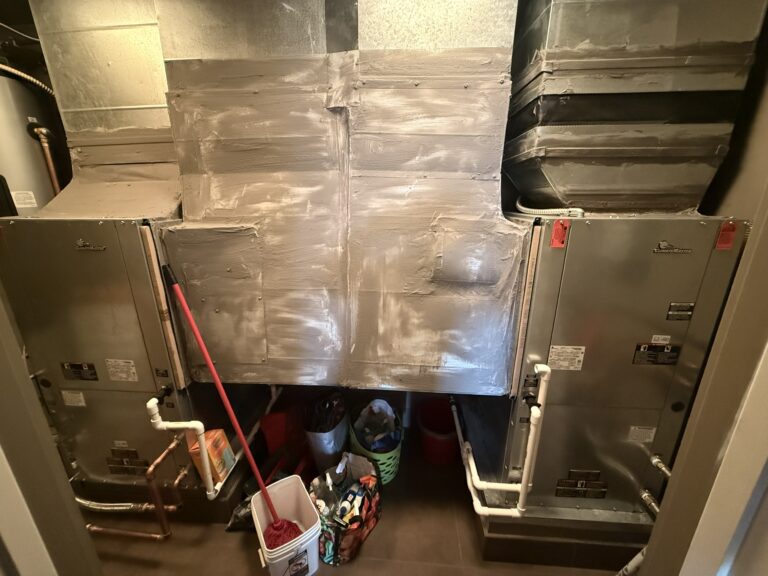
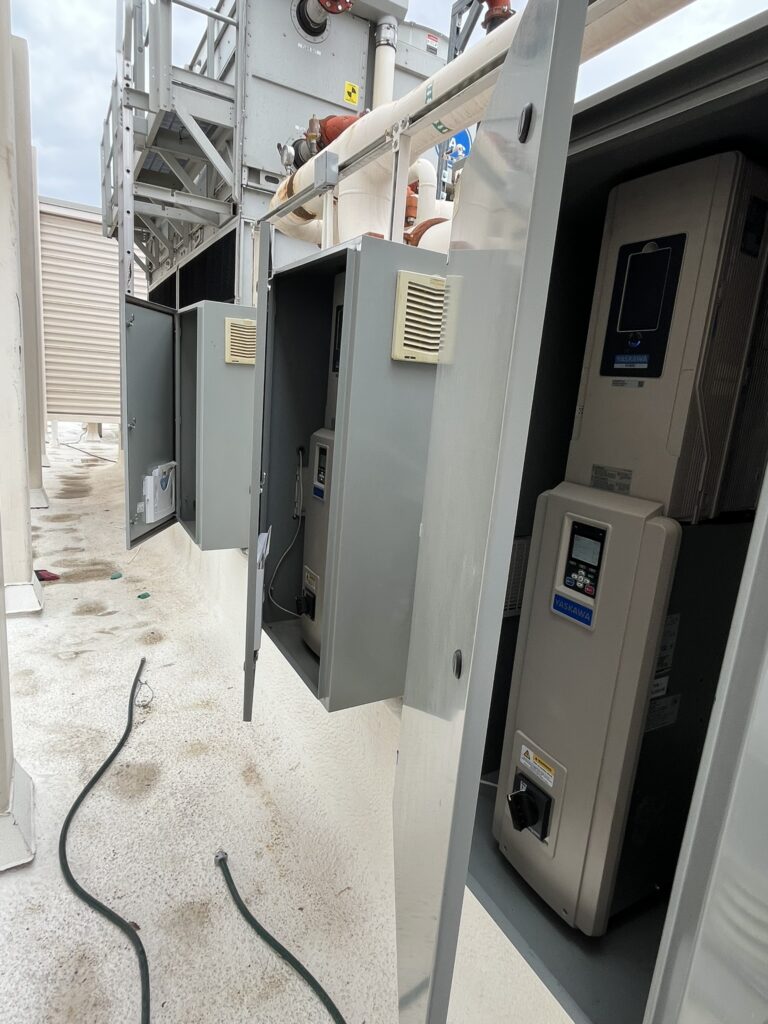
Photos from our own commercial projects across the Phoenix metro — equipment we installed, in buildings we service.
How the job typically runs.
Storage facilities usually need service around rental hours, gate access, manager availability, and tenant traffic. We come to you. Office hours are Mon-Fri 8-5, with 24/7 emergency service when a climate-controlled zone is down and the site cannot wait. At booking, the diagnostic/service-call fee is disclosed and credited as stated when repair work proceeds. The technician confirms access points, roof access, electrical rooms, corridor zones, and any unit rows with active complaints before opening panels.
After the in-person look, Yeti Pros gives a flat-rate written quote. Scopes are documented in writing, including equipment identification, failed components, recommended repairs, and any observed conditions affecting performance. If the issue is not only the HVAC unit, we say that plainly. Door seals, propped entries, blocked returns, dirty filters, failed controls, and duct leakage each create different next steps, and a storage operator needs those separated before approving work.
For multi-zone facilities, we can prioritize the rows that drive the most complaints or revenue exposure. A front office split system is handled differently than an interior climate corridor that touches dozens of rented units. We coordinate roof work, ladder placement, gate timing, and after-hours access so repairs do not create unnecessary friction for tenants already moving carts, boxes, and trailers through the property.
- 01 Booking, with the diagnostic fee disclosed
- 02 In-person diagnosis with real readings
- 03 Written flat-rate quote before work begins
- 04 The work: repair, install, or maintenance
- 05 Startup, documentation, and warranty handoff
Buckeye is in Maricopa County, and commercial HVAC work has to be treated as trade work, not as a casual equipment swap. Permit needs depend on scope: like-for-like repairs are different from rooftop replacement, electrical changes, curb changes, duct alterations, or added capacity. We service and document HVAC; we do not issue legal advice, certify stored goods conditions, or make code rulings for the property.
Yeti Pros is Veteran-owned & operated, AZ ROC #363372 · ROC #363423. Our written scopes identify what we are repairing or replacing so ownership, management, and any permit reviewer can see the work clearly. The Arizona Registrar of Contractors publishes workmanship standards here: ROC minimum workmanship standards. We also provide a 2-YEAR written workmanship warranty and a 1-YEAR manufacturer parts warranty on repair parts.
Pricing, financing & the 10% military & first responder discount.
Self-storage HVAC cost in Buckeye is driven by access, equipment type, capacity, controls, roof condition, duct condition, and how many climate corridors are affected. A single failed capacitor on one packaged unit is not the same job as chasing uneven temperatures across a long hallway with damaged door seals and weak return air. APS electrical service, disconnect condition, crane or lift needs, and after-hours timing can also change the scope.
Yeti Pros gives flat-rate written quotes after an in-person look. Financing is available. The diagnostic/service-call fee is disclosed at booking and credited as stated when repair work proceeds. Military, veterans, and first responders receive a 10% discount; details are at military discount. Call (520) 556-8929 for Buckeye service.
- 01 Flat-rate written quote after an in-person look
- 02 Diagnostic fee disclosed at booking, credited to the repair
- 03 Financing available on replacements
- 04 2-year workmanship warranty; 1-year manufacturer parts warranty
- 05 10% military, veteran & first responder discount
Why a licensed HVAC contractor matters.
FAQs: HVAC for Self-Storage Facilities in Buckeye, AZ.
Do you service climate-controlled storage units in Buckeye?
Yes. Yeti Pros services climate-controlled self-storage HVAC across Buckeye, including facilities near the I-10 corridor, Sundance, Verrado, Tartesso, Festival Ranch, and ZIPs 85326 and 85396. We work on the commercial equipment serving corridors, offices, and support areas. We do not certify stored goods conditions or guarantee a specific tenant outcome. We diagnose the HVAC, airflow, controls, and visible building conditions affecting performance, then provide a flat-rate written quote after the in-person look.
Why are some climate-controlled storage hallways hotter than others?
In Buckeye storage buildings, uneven hallway temperature can come from more than a weak AC unit. We look at supply airflow, return-air paths, duct leakage, failed dampers, thermostat or sensor placement, dirty coils, weak blower performance, and door leakage. Roll-up doors, exterior corridor doors, missing sweeps, and loading traffic can pull desert heat into one zone faster than another. The service call separates mechanical failure from building leakage so management knows what actually needs attention.
Can HVAC fix humidity or odor complaints in storage corridors?
Sometimes HVAC is part of the answer, but it is not the only factor. We check cooling runtime, coil condition, drain performance, airflow, filtration, and ventilation behavior. Odor or humidity complaints may also involve stored contents, door leakage, envelope gaps, housekeeping, or water intrusion. We service and document HVAC conditions. We do not certify indoor air quality, stored property conditions, or code compliance. If the equipment is contributing, we quote that repair in writing.
Do you handle after-hours self-storage HVAC emergencies?
Yes. Office hours are Mon-Fri 8-5, and Yeti Pros provides 24/7 emergency service. For storage properties, we ask for gate access, roof access, electrical room access, the affected corridor or zone, and a site contact who can approve the written quote. A climate-controlled hallway outage is different from a front office comfort issue, so we triage based on affected areas and operating impact. Call (520) 556-8929.
Should we repair or replace an aging rooftop unit at a Buckeye storage facility?
That depends on age, failure type, refrigerant condition, compressor health, electrical condition, coil condition, airflow, and how critical the zone is to the rental product. Buckeye has many newer commercial sites, but first-owner systems from the city’s growth years are now reaching major repair decisions. We inspect the unit in person, explain the repair path, document the replacement considerations when relevant, and provide written scope options without guessing from a phone description.
Do you check door seals as part of self-storage HVAC service?
We inspect visible door and corridor conditions that affect HVAC performance, including obvious gaps, failed sweeps, propped exterior doors, loading-door leakage, and air paths that make the system run harder. We do not present that as a building-envelope certification. For climate-controlled storage, door seals matter because the HVAC system cannot hold steady if hot outside air is being pulled into corridors all day. We document what we observe so management can address it.
Every major brand, serviced and installed.

Phoenix metro: Most days a tech is already working somewhere in the Valley, so same-day appointments happen when the schedule allows. After-hours emergencies are dispatched when a licensed tech is available — a real person answers and tells you the ETA on the call.
Call (520) 556-8929Request an estimate.
No pressure, no door knockers. We look at the HVAC system, tell you what it needs (and what it doesn’t), and put the number in writing.
Need self-storage facilities in Buckeye? A real person answers.
Other services we run in Buckeye.
Self-Storage Facilities in nearby cities.
Looking for something else nearby? All HVAC services in Buckeye