
Buckeye
HVAC for Coworking Spaces in Buckeye, AZ.
- (520) 556-8929
- Serving the entire Phoenix metro — we come to you
- Office: Mon–Fri 8:00 AM – 5:00 PM · 24/7 emergency service
- 2-year workmanship warranty · 1-year parts warranty
- Veteran-owned & operated · residential + commercial
- 23 five-star Google reviews
Coworking hvac Buckeye service is mostly about small, flexible workspaces catching up to residential growth. Buckeye does not yet look like a dense downtown coworking market. Its real audience is different: suite operators near Verrado and Sundance, small professional offices in 85326 and 85396, shared rooms inside retail pads, flexible office concepts following rooftops west, and owners testing whether Tartesso, Festival Ranch, and the I-10 corridor can support weekday drop-ins, remote workers, sales teams, and satellite staff. These spaces live or die by zone comfort, quiet operation, after-hours access, and the ability to cool conference rooms differently from open desk areas. A standard office thermostat plan often fails once tenants book rooms at odd hours, close doors for calls, fill a meeting room with laptops, or use a private office long after the rest of the suite is empty. Buckeye’s heat also punishes casual scheduling. If the system has been set back all afternoon, the building may not recover quickly when members arrive for an evening meeting. Yeti Pros is veteran-owned & operated, AZ ROC #363372 · ROC #363423, and we come to you. For metro-wide context, see our commercial coworking HVAC page.
ZIPs served: 85326, 85396
What Coworking Spaces covers in Buckeye.
Zone comfort diagnostics
We troubleshoot hot conference rooms, cold open areas, uneven offices, weak airflow, poor return paths, and thermostat placement problems common in Buckeye coworking suites adapted from standard office layouts.
Rooftop unit repair
Small commercial pads often rely on rooftop units running long hours. We repair motors, belts, coils, drains, contactors, capacitors, economizers, thermostats, and control issues affecting flexible workspace comfort.
Controls and scheduling
Coworking hours rarely match basic office schedules. We review supported thermostat and control settings, occupancy schedules, after-hours cooling complaints, and room-use patterns so comfort follows actual bookings.
Quiet-room HVAC fixes
Phone rooms, private offices, and conference rooms need comfort without distracting noise. We inspect airflow, grilles, fan operation, vibration, equipment condition, and layout issues that make quiet spaces uncomfortable.
Preventive maintenance
Buckeye dust and summer runtime punish small commercial equipment. Maintenance covers filters, coils, drains, electrical components, belts, operating checks, and written notes before comfort complaints affect members.
Replacement planning
When equipment is aging or undersized for the way the coworking space is used, we document repair versus replacement factors and provide written replacement scopes after inspecting the site.
What we see for coworking spaces in Buckeye.
Buckeye coworking spaces are usually adapted from small office suites, retail-adjacent shells, or new commercial pads rather than large purpose-built flexible office buildings. That matters because the HVAC zoning is often too simple for the way the space is sold. A few private offices, a conference room, an open desk area, phone booths, and a small kitchen may all sit under one rooftop unit or split system. When occupancy changes by the hour, one thermostat cannot represent the whole suite.
The most common complaints are uneven cooling, loud equipment near quiet work rooms, stuffy conference rooms, hot west-facing offices, short cycling after tenant improvements, and after-hours schedules that do not match actual bookings. Buckeye’s production-home boom has created demand for professional space closer to home, but many commercial interiors are still young and lightly customized. HVAC systems installed for a simple office layout may not support flexible occupancy without adjustments. A suite that worked for five employees can behave differently when it becomes a rotating workspace with closed offices, scheduled meetings, and members who expect the same comfort at 7 p.m. that they get at 10 a.m.
Climate makes the problem less forgiving. In summer, a conference room with glass, laptops, people, and closed doors can overheat quickly while the open area remains acceptable. Desert dust loads filters and coils. Rooftop units over small pads run hard. If the controls are locked to basic business hours, members using the space early, late, or on weekends may experience a building that feels unmanaged even when the equipment is technically running. West-facing glass, dark roof surfaces, long duct runs, and small returns can all show up as room-by-room complaints rather than a simple no-cool call.
We also see comfort problems caused by how coworking spaces evolve. A storage room becomes a phone booth. A private office gets split into two rentable rooms. A conference table grows, but the supply and return layout stays the same. Furniture blocks air patterns. Printers, refrigerators, and network equipment add heat in corners that were never treated as loads. Those changes can be minor on paper but obvious to the person renting a desk for the day.
We look at coworking HVAC as an operating system, not just a broken unit. That means zoning, thermostat placement, schedules, airflow, return paths, sound, maintenance access, and whether adding a private room changed the load. We repair equipment, tune controls where supported, document findings, and explain when the issue is layout-driven rather than a single failed part. We do not oversell certainty from the parking lot. We inspect the suite and quote the scope in writing.
- 01 Airflow and static pressure
- 02 Electrical: capacitors, contactors, draws
- 03 Refrigerant-circuit behavior
- 04 Drains, safeties, and float switches
- 05 Thermostat, controls, and cycling
- 06 Ducts, returns, and room-by-room comfort
Commercial jobs we have documented.
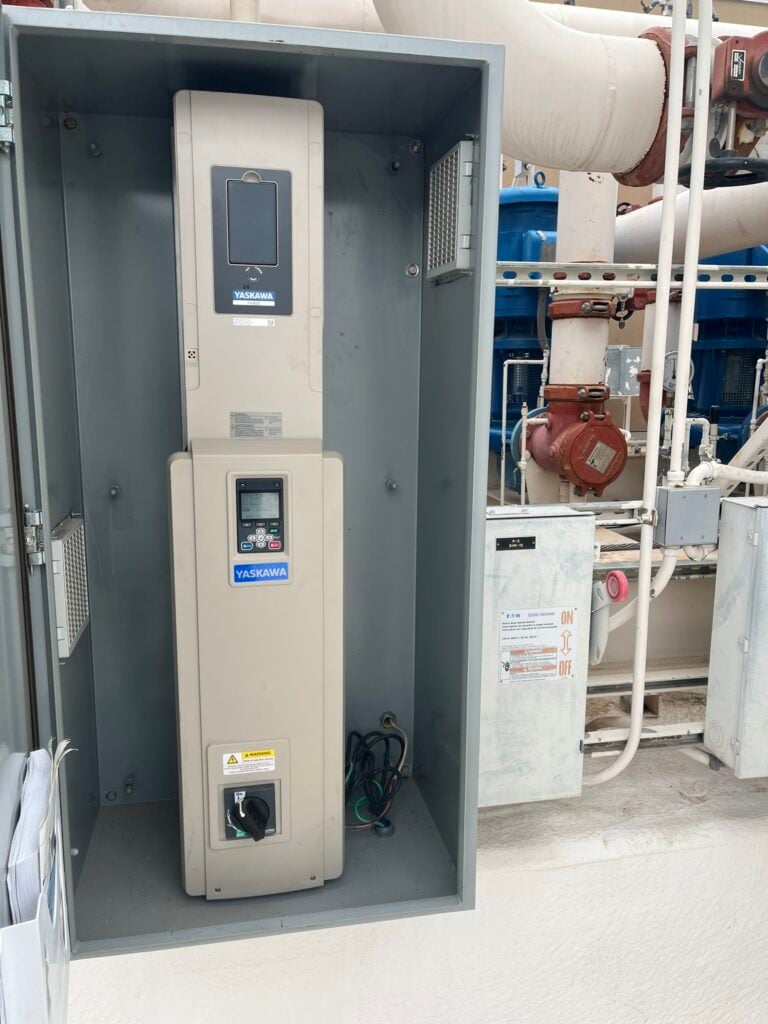
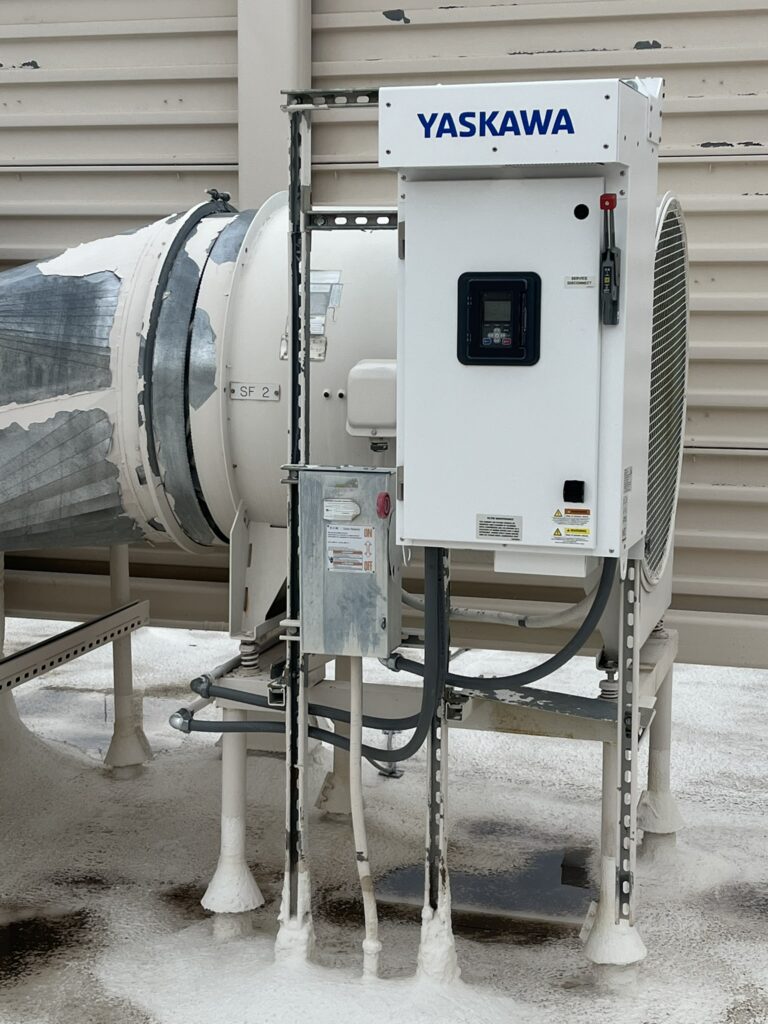
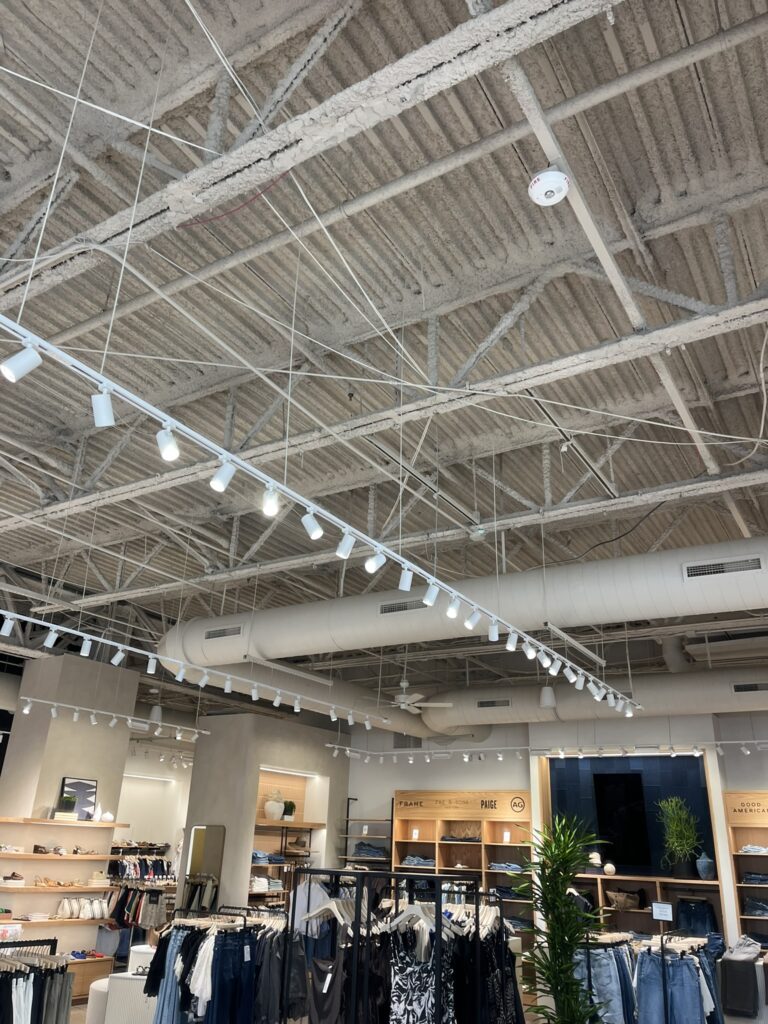
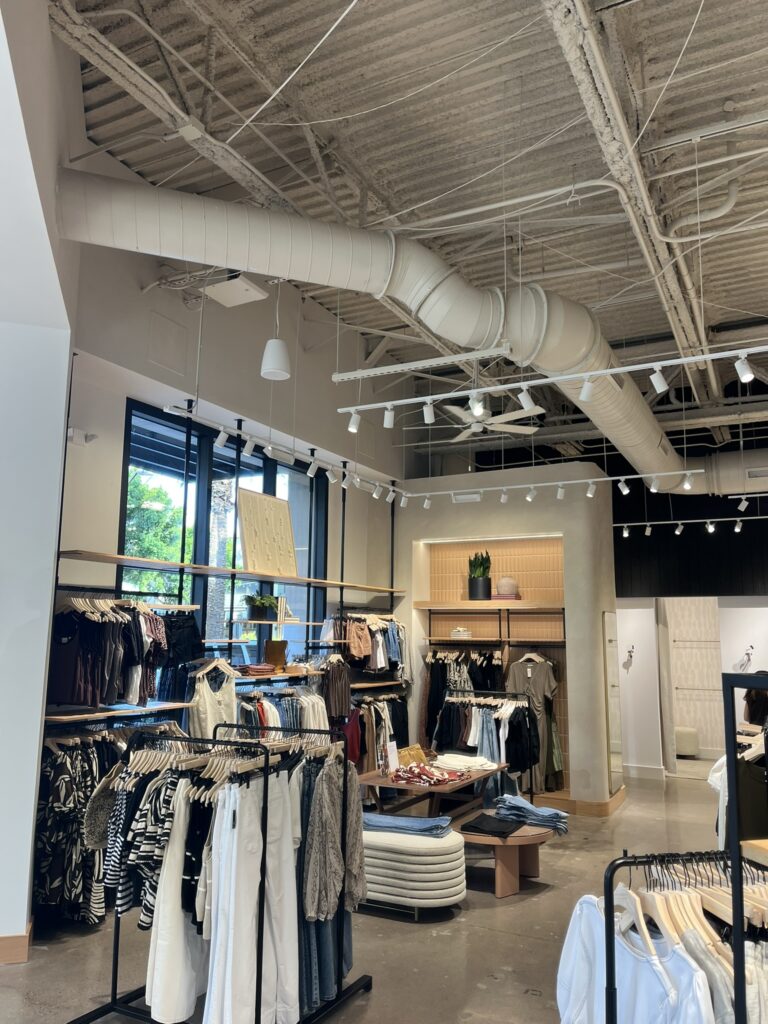
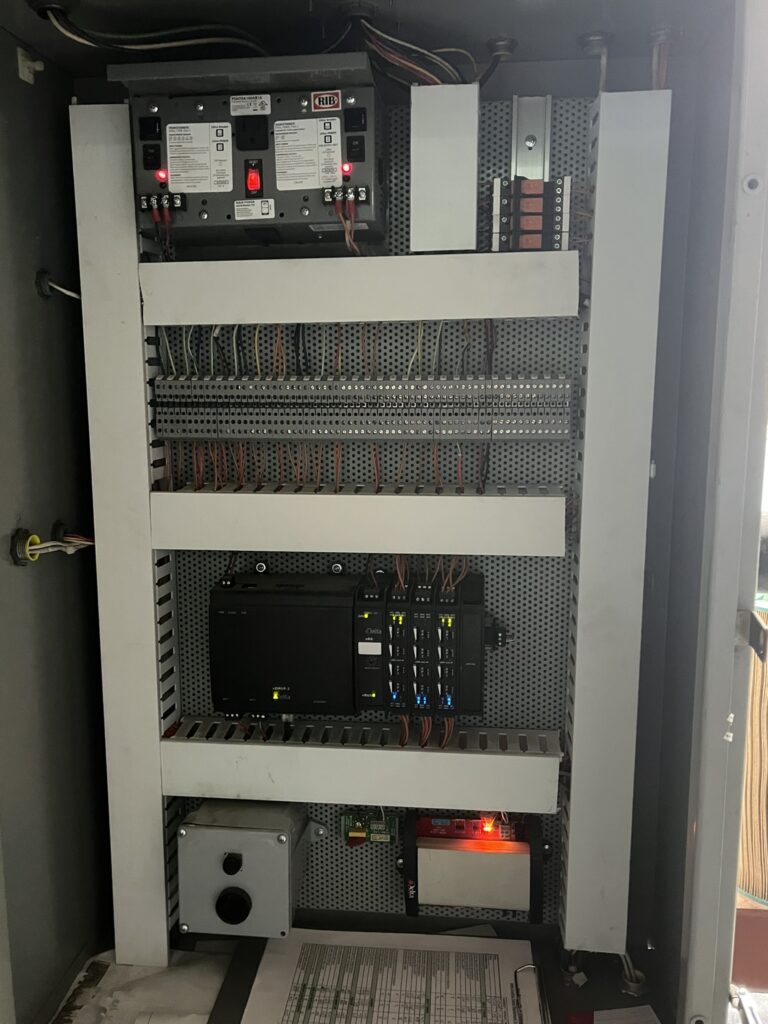
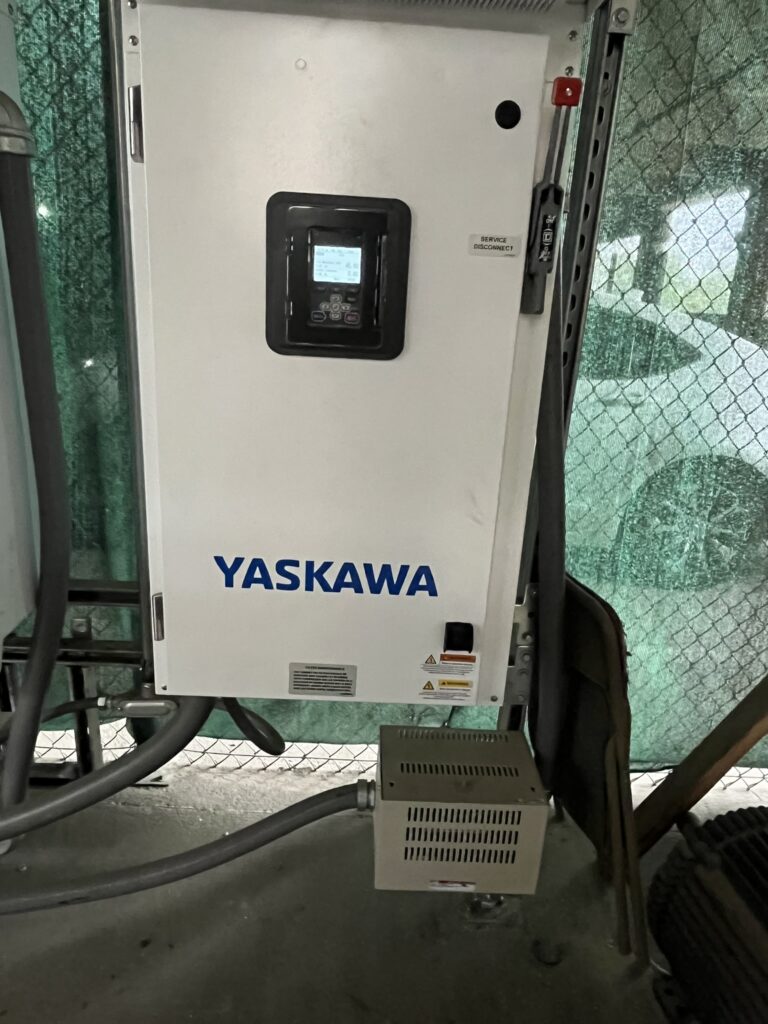
Photos from our own commercial projects across the Phoenix metro — equipment we installed, in buildings we service.
How the job typically runs.
Coworking operators need work planned around members. We ask about staffed hours, access control, booked rooms, noise limits, roof access, and whether tenants use the space outside standard business hours. Office hours are Mon–Fri 8–5, with 24/7 emergency service for cooling failures that interrupt booked use. If the complaint is tied to one room, we ask when it happens, whether the door is usually closed, how many people use the room, and whether the thermostat is inside that same load or somewhere else.
During service, we inspect the equipment and the occupied zones. We check filters, coils, drains, electrical components, thermostat locations, schedules, airflow, return paths, and symptoms by room. We look for common Buckeye issues such as dirty outdoor coils, hard-running rooftop units, blocked grilles, weak blower performance, condensate trouble, and control settings that make sense for a regular office but not for flexible access. For common cooling failures, see commercial AC repair.
When access allows, we compare the mechanical condition to the way the space is actually used. A thermostat in the open desk area may satisfy while a conference room climbs. A quiet office may receive too much supply air and too much fan noise. A return path may disappear when doors close. We separate those findings so the operator can see what is repair, what is maintenance, and what is a layout limitation.
After the in-person look, we provide flat-rate written quotes with documented scopes. The diagnostic/service-call fee is disclosed at booking and credited. Call (520) 556-8929 to schedule. Financing is available for larger repair or replacement scopes.
- 01 Booking, with the diagnostic fee disclosed
- 02 In-person diagnosis with real readings
- 03 Written flat-rate quote before work begins
- 04 The work: repair, install, or maintenance
- 05 Startup, documentation, and warranty handoff
Coworking HVAC work in Buckeye may stay simple when it is service, repair, controls, or maintenance. It can become permit-relevant when equipment is replaced, ductwork is changed, electrical work is added, rooftop curbs are altered, or tenant improvements create new rooms with different airflow needs. Buckeye is in Maricopa County and served by APS, so electrical capacity, rooftop access, and tenant-suite boundaries matter. Landlord approval can also matter when a coworking operator leases only part of a building or shares roof equipment with other suites.
Flexible office buildouts can blur the line between a comfort complaint and a construction issue. Adding rooms, doors, sound treatment, glass partitions, or ceiling changes may alter supply air, return air, and thermostat behavior. If a scope appears to move beyond ordinary repair, we identify that early so the right owner, manager, or permitting party can be involved. Yeti Pros documents HVAC work and identifies when a scope appears to need permit coordination. We do not provide legal advice or occupancy rulings. Work is performed under AZ ROC #363372 · ROC #363423 and backed by a 2-YEAR written workmanship warranty plus a 1-YEAR manufacturer parts warranty on repair parts. The ROC workmanship standards are here: ROC minimum workmanship standards PDF.
Pricing, financing & the 10% military & first responder discount.
Coworking HVAC pricing in Buckeye depends on equipment condition, zone count, controls, roof access, duct layout, noise concerns, after-hours scheduling, and whether the issue is repair, maintenance, replacement, or a layout problem created by tenant improvements. A thermostat move is different from adding zone control, repairing a rooftop unit, replacing a failed blower motor, or correcting airflow to a conference room. A small suite with one accessible unit is a different project than a multi-room workspace with roof access limits, locked controls, and member bookings throughout the day.
We also look at the cost of disruption. Some work can happen during normal hours if it is on the roof or in a mechanical area. Other work needs coordination around calls, conference room reservations, private offices, or evening users. Desert-climate maintenance can reduce emergency calls, but it does not solve every zoning or room-load issue. We quote after an in-person look and provide a flat-rate written quote. The diagnostic/service-call fee is disclosed at booking and credited. Financing is available. Eligible customers can use the 10% military, veteran & first responder discount — military discount details cover how it applies.
- 01 Flat-rate written quote after an in-person look
- 02 Diagnostic fee disclosed at booking, credited to the repair
- 03 Financing available on replacements
- 04 2-year workmanship warranty; 1-year manufacturer parts warranty
- 05 10% military, veteran & first responder discount
Why a licensed HVAC contractor matters.
FAQs: HVAC for Coworking Spaces in Buckeye, AZ.
Do coworking spaces in Buckeye need different HVAC than regular offices?
Often, yes. A regular office usually has predictable staff hours and fairly stable occupancy. A coworking space may have private offices, drop-in desks, booked conference rooms, phone rooms, and after-hours users under the same equipment. In Buckeye, many spaces are adapted from small commercial suites, so the original HVAC layout may not match flexible use. The same unit may be asked to serve a quiet one-person office, a glass conference room, a printer area, and an open desk room at the same time. We inspect zoning, thermostat placement, airflow, controls, schedules, and equipment condition before recommending repairs or changes.
Can you fix one conference room that gets hot during bookings?
Yes. Hot conference rooms are one of the most common coworking HVAC complaints. The cause may be low airflow, bad return path, thermostat placement, solar gain, closed doors, added people and laptops, duct layout, dirty coils, or an equipment fault. Buckeye summer heat makes the room drift faster, especially if the building was not pre-cooled or the thermostat is located in a more stable open area. We inspect the room and equipment together, then provide a written scope that separates simple repair items from layout or zoning limitations.
Do you service small coworking suites near Verrado?
Yes. We are a service-area business and come to Buckeye coworking and flexible office sites near Verrado, Sundance, Tartesso, Festival Ranch, the I-10 corridor, 85326, and 85396. Many of these spaces are smaller suites or owner-tested concepts rather than large dedicated coworking buildings. That is fine. We service rooftop units, split systems, controls, airflow issues, drains, electrical components, and maintenance needs for small commercial workspaces. We also account for access limits, shared roofs, landlord coordination, and member schedules when planning the visit.
Can HVAC service be done without disturbing members?
Usually, with planning. We ask about staffed hours, booked rooms, noise-sensitive zones, roof access, and whether any work must happen before opening, after hours, or between meetings. Some diagnostics happen at the roof or mechanical area. Room airflow checks may need brief access to offices or conference rooms. Repairs involving blowers, thermostats, ceiling access, or temporary shutdowns may be more noticeable. We document the scope before repair so the operator knows what will be disruptive, what can be done quietly, and what needs a planned outage.
Why does our coworking space feel fine at noon but bad after hours?
After-hours comfort problems often come from thermostat schedules, locked controls, occupancy assumptions, or equipment staging that matches standard office hours instead of actual member use. A Buckeye coworking suite may host evening meetings, remote workers, or weekend users while the HVAC system is set back. The open area may recover slowly, while closed rooms with people and electronics heat up quickly. We review supported controls, schedules, room use, and equipment operation. If the system cannot support the requested pattern, we document the options clearly.
Do you provide written quotes for coworking HVAC work?
Yes. After an in-person look, Yeti Pros provides flat-rate written quotes and documents scopes in writing. The diagnostic/service-call fee is disclosed at booking and credited. Written scopes matter for coworking operators because owners, managers, landlords, and tenants may all care about different parts of the same comfort complaint. The quote will identify the equipment, repair recommendation, and any observed layout or access issues that affect the work. If the complaint is caused partly by scheduling, airflow, or room changes, we state that instead of treating every issue as a failed part.
Every major brand, serviced and installed.




Phoenix metro: Most days a tech is already working somewhere in the Valley, so same-day appointments happen when the schedule allows. After-hours emergencies are dispatched when a licensed tech is available — a real person answers and tells you the ETA on the call.
Call (520) 556-8929Request an estimate.
No pressure, no door knockers. We look at the HVAC system, tell you what it needs (and what it doesn’t), and put the number in writing.
Need coworking spaces in Buckeye? A real person answers.
Other services we run in Buckeye.
Coworking Spaces in nearby cities.
Looking for something else nearby? All HVAC services in Buckeye