
Buckeye
HVAC for Retail Stores in Buckeye, AZ.
- (520) 556-8929
- Serving the entire Phoenix metro — we come to you
- Office: Mon–Fri 8:00 AM – 5:00 PM · 24/7 emergency service
- 2-year workmanship warranty · 1-year parts warranty
- Veteran-owned & operated · residential + commercial
- 23 five-star Google reviews
Retail HVAC in Buckeye is built around doors, rooftops, and rapid growth. The city has repeatedly been the fastest-growing city in America, and its retail base is chasing rooftops west with new pads, strip centers, quick-service restaurants, salons, fitness studios, service businesses, and small shops around Verrado, Sundance, Festival Ranch, Tartesso, and the I-10 corridor. This is not an old enclosed-mall market. It is young retail stock, frequent tenant turnover, rooftop equipment over small bays, and storefronts taking a direct hit from Buckeye heat every time the door opens.
That growth pattern changes the HVAC work. A store may be in a newer shell, but the equipment might already be stressed by dust, long run hours, changing tenants, blocked returns, or a thermostat that reads the wrong part of the space. A small retail bay can feel fine in the morning and lose control in the afternoon when glass, door traffic, lighting, staff, customers, and roof heat all stack together. In Buckeye, comfort is not just a maintenance item. It affects sales-floor time, staff endurance, merchandise protection, and whether customers stay long enough to buy.
Yeti Pros is a veteran-owned & operated service-area HVAC contractor. We come to you throughout Buckeye, Maricopa County, including ZIPs 85326 and 85396. For retail hvac buckeye service, we focus on comfort that affects shoppers, staff, merchandise, and sales-floor operations. We diagnose in person, document the scope in writing, and help owners, tenants, and property managers understand whether the issue is equipment failure, airflow, controls, infiltration, or a tenant-improvement mismatch. See our metro retail HVAC service page for broader service context.
ZIPs served: 85326, 85396
What Retail Stores covers in Buckeye.
Retail no-cooling diagnostics
We troubleshoot rooftop and split-system failures affecting sales floors, stockrooms, salons, studios, and service counters. Written findings identify failed components, access issues, and whether comfort complaints come from the system or the space.
Rooftop unit repair
We service packaged rooftop units common on Buckeye strip centers and retail pads, including motors, capacitors, contactors, coils, filters, drains, controls, economizers where installed, and refrigerant circuits.
Storefront airflow review
Door traffic, glass exposure, blocked returns, display placement, and tenant buildouts can make a retail bay uncomfortable. We review airflow and controls before treating every complaint as a failed unit.
After-hours service coordination
Some retail spaces need HVAC work before opening, after close, or during low-traffic windows. We coordinate access around customers, ladders, roof entry, alarms, and approval rules.
Tenant-improvement HVAC scope
When a retail bay changes use, the HVAC may need duct, control, or equipment review. We document what the existing system can handle and what changes should be scoped.
Replacement planning
When repair no longer fits the equipment condition, we scope replacement around curb condition, access, electrical, controls, condensate, business interruption, and landlord or owner approval.
What we see for retail stores in Buckeye.
Buckeye retail spaces usually rely on packaged rooftop units, split systems, and thermostats serving narrow bays with glass storefronts. Door infiltration is a constant load. Every customer entry brings in hot outside air, and west-facing glass can make the front of the store feel different from the stockroom. If the unit is dirty, underserviced, or undersized for the current tenant use, comfort complaints show up quickly. The front counter may be warm, the back room may be cold, and the thermostat may be satisfied because it is mounted in the one spot that does not represent the sales floor.
Tenant churn creates mechanical confusion. A space that was once a boutique may become a salon, clinic, studio, office, or food-adjacent operation. Each use changes internal load, hours, ventilation expectations, and equipment runtime. We see supply registers blocked by displays, returns hidden by buildouts, thermostat sensors placed near doors, and ductwork that no longer matches the floor plan. The RTU may be fine, but the space is asking it to do a different job. A fitness studio, salon, or service business can add people, equipment, lighting, and operating hours that were not part of the original retail assumption.
Common Buckeye failure patterns include weak capacitors, condenser fan motors, dirty condenser coils, plugged condensate drains, loose electrical connections, thermostat faults, economizer issues where installed, refrigerant leaks, and failed blower components. Dust from ongoing construction and open desert edges adds to coil and filter loading. APS service conditions and long summer runtimes can turn marginal electrical parts into repeated nuisance failures. A unit may run for weeks with a weak part, then fail on the first serious heat stretch when the store cannot afford downtime.
Retail timing matters. A no-cooling call during open hours affects customers and staff immediately, but roof access may require landlord coordination. Some shops cannot have ladders in customer areas during traffic. Others need service before opening or after close. We shape the visit around access, operating hours, merchandise sensitivity, and whether the tenant, landlord, or property manager approves the work. For stores with temperature-sensitive inventory, staff workstations, treatment rooms, or customer waiting areas, even uneven cooling can become a real operating problem.
We also pay attention to the difference between a failed unit and a space problem. Open doors, poor return paths, added walls, high shelving, display cases, tint changes, ceiling changes, and relocated counters can all change how air moves. In a small bay, one blocked return or one bad thermostat location can make the whole system look worse than it is. The written diagnosis needs to separate equipment repair from airflow and use conditions so the decision-maker knows what they are approving.
- 01 Airflow and static pressure
- 02 Electrical: capacitors, contactors, draws
- 03 Refrigerant-circuit behavior
- 04 Drains, safeties, and float switches
- 05 Thermostat, controls, and cycling
- 06 Ducts, returns, and room-by-room comfort
Commercial jobs we have documented.
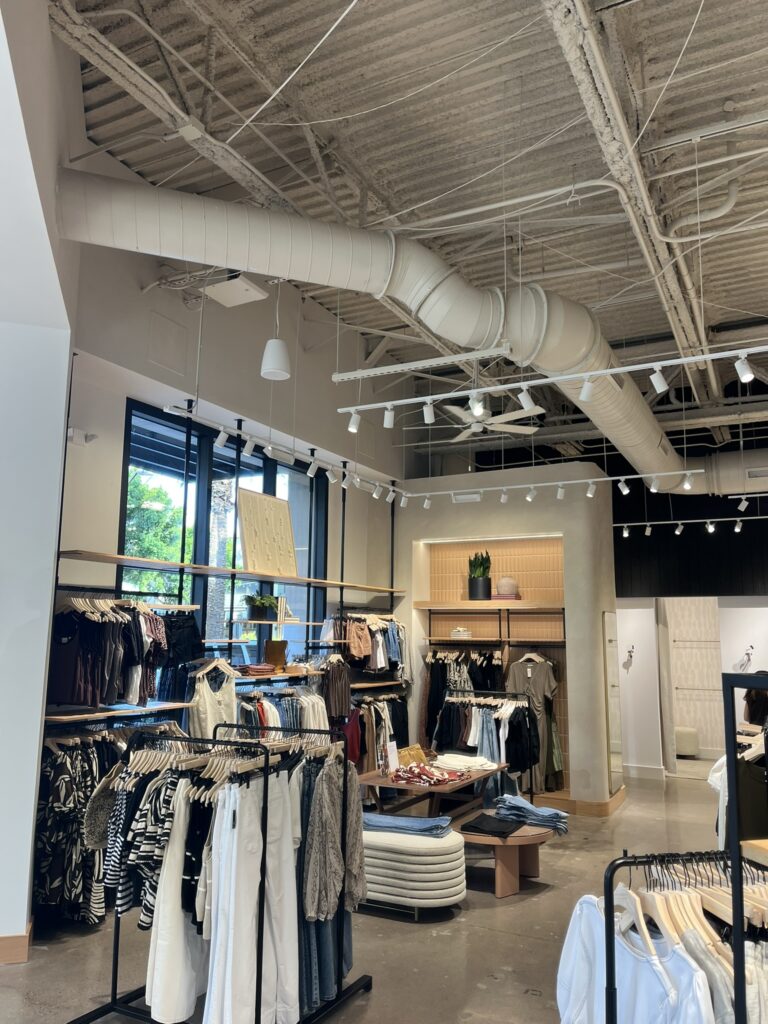
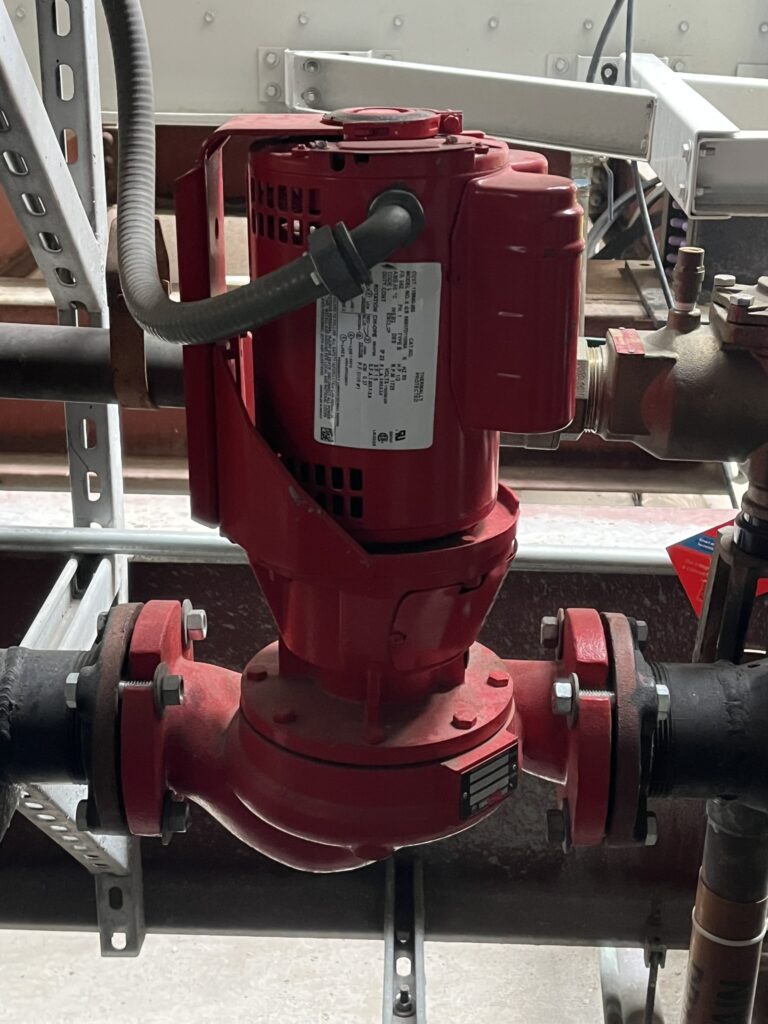
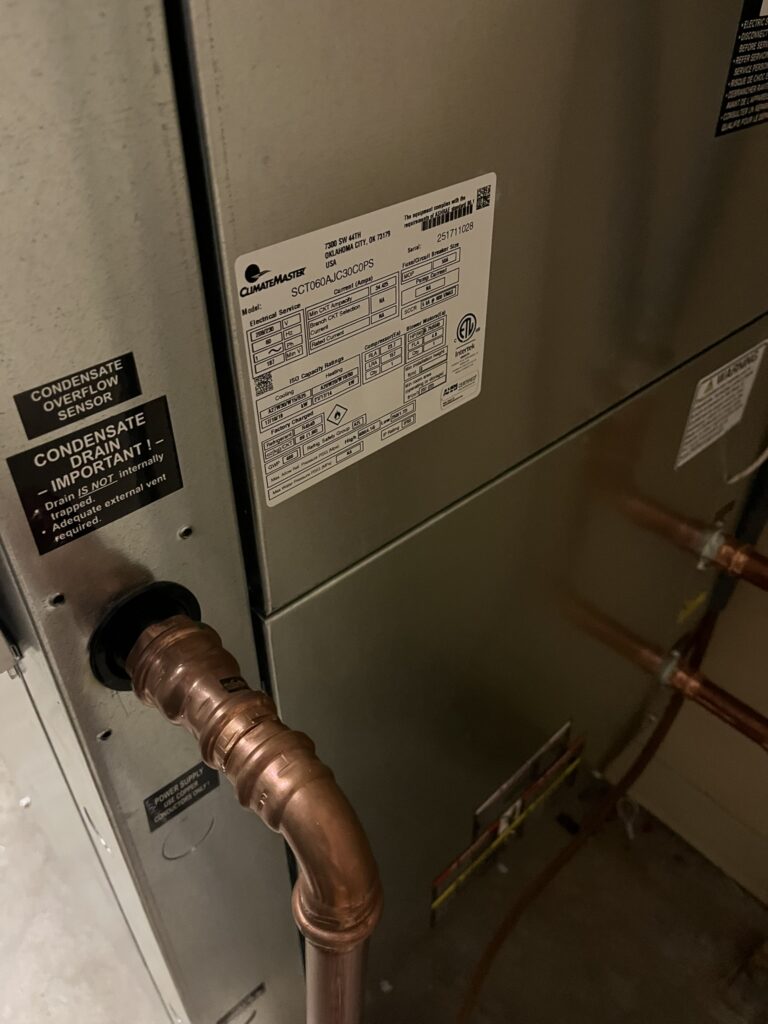
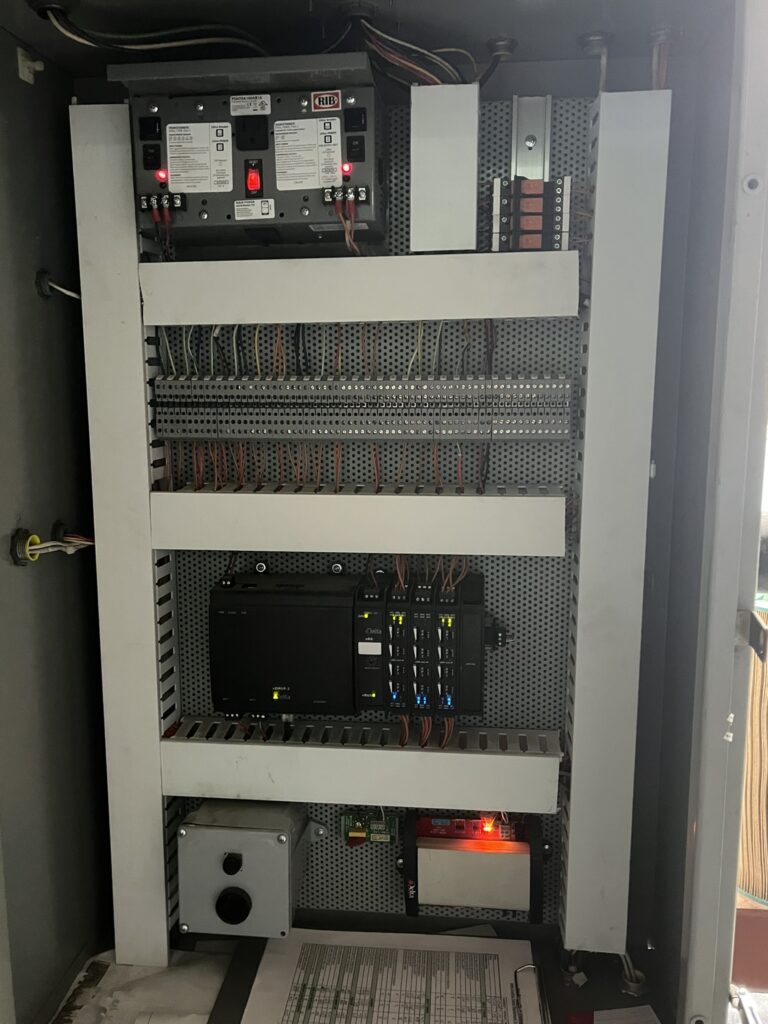
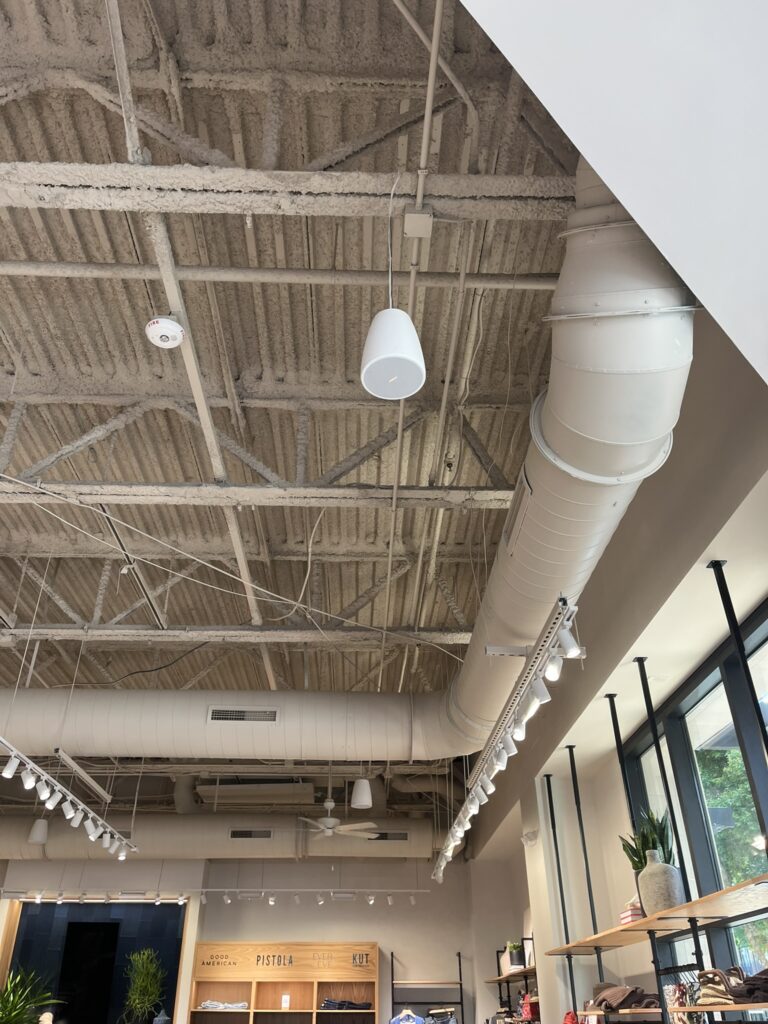
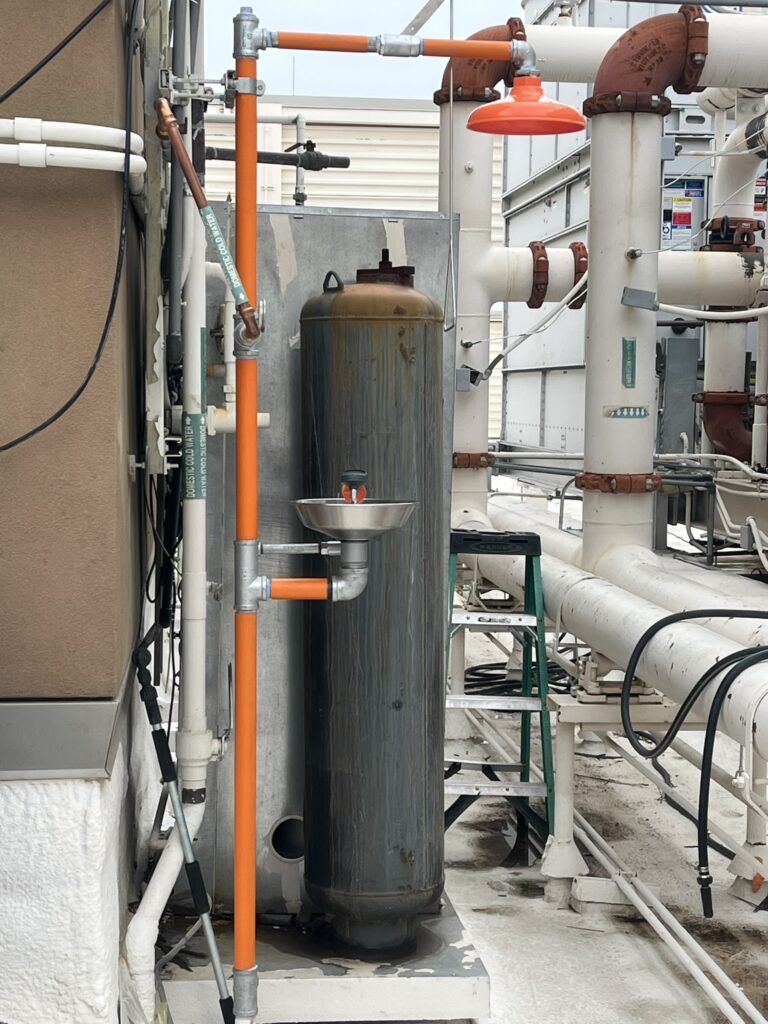
Photos from our own commercial projects across the Phoenix metro — equipment we installed, in buildings we service.
How the job typically runs.
We start by confirming the bay, business hours, roof or ceiling access, thermostat location, landlord or manager approval path, and whether the store is open during service. Office hours are Mon-Fri 8-5, with 24/7 emergency service available for urgent no-cooling calls. For retail, those details matter because the technician may need roof access, ceiling access, alarm instructions, a store contact, and a clear approval path before work can proceed.
The diagnostic/service-call fee is disclosed at booking and credited as applicable when approved work proceeds. After the in-person diagnosis, we provide flat-rate written quotes with documented scopes. That keeps the tenant, owner, and property manager working from the same facts. If a part failed, we identify it. If the system is dirty, restricted, or aging, we document that. If comfort is being affected by store layout, door load, or controls, we explain that in the HVAC scope.
For retail comfort complaints, we check the HVAC system and the store conditions around it: door load, blocked airflow, thermostat placement, filter access, roof condition, drains, and controls. We service and document HVAC; we do not issue legal advice, lease interpretations, or health-code rulings. The goal is to give the business a clear path for restoring comfort while respecting shoppers, staff, merchandise, and property rules.
- 01 Booking, with the diagnostic fee disclosed
- 02 In-person diagnosis with real readings
- 03 Written flat-rate quote before work begins
- 04 The work: repair, install, or maintenance
- 05 Startup, documentation, and warranty handoff
Retail HVAC work in Buckeye can involve rooftop access, landlord approval, tenant-improvement history, APS electrical service, city inspection requirements, and Maricopa County context depending on the scope. Yeti Pros carries AZ ROC #363372 · ROC #363423. We document equipment condition, repair findings, replacement scopes, and warranty terms in writing. For leased spaces, that written record helps the tenant, landlord, owner, or property manager understand whether the work is a service repair, a replacement concern, or a tenant-improvement issue affecting comfort.
Our workmanship warranty is 2 years in writing, and repair parts carry a 1-year manufacturer parts warranty. The Arizona Registrar of Contractors publishes workmanship standards here: ROC minimum workmanship standards PDF. We service and document HVAC work; we do not certify food operations, issue health-code rulings, or provide legal advice. When a larger scope is involved, we identify access, electrical, condensate, curb, control, and scheduling issues that need to be considered before work is approved.
Pricing, financing & the 10% military & first responder discount.
Retail HVAC pricing in Buckeye depends on equipment type, rooftop access, business-hour restrictions, landlord coordination, tenant-improvement changes, refrigerant condition, control issues, drain routing, crane or lift requirements, and whether the problem is a failed part or a load and airflow mismatch. Door infiltration and glass exposure can also affect the practical scope. A front-of-store complaint may come from a dirty condenser coil, weak blower, poor thermostat location, blocked return, or simply a space that changed use without an HVAC review.
Yeti Pros provides flat-rate written quotes after an in-person look. Financing is available. We offer a 10% military, veteran & first responder discount — full terms under military discount details. For retail operators, the important part is that the quote explains the work clearly enough for the right party to approve it, whether that is the tenant, owner, landlord, or property manager. We do not add vague assumptions when access or lease responsibilities still need to be clarified.
- 01 Flat-rate written quote after an in-person look
- 02 Diagnostic fee disclosed at booking, credited to the repair
- 03 Financing available on replacements
- 04 2-year workmanship warranty; 1-year manufacturer parts warranty
- 05 10% military, veteran & first responder discount
Why a licensed HVAC contractor matters.
FAQs: HVAC for Retail Stores in Buckeye, AZ.
Why does my Buckeye retail store get hot near the front doors?
Front-door heat is common in Buckeye retail because every entry pulls hot outside air into the sales floor. Glass exposure, west-facing storefronts, blocked supply air, poor return placement, and thermostat location can make the front zone worse. We check the equipment first, then review airflow, door load, filters, coils, and controls. The written scope will identify whether you have a repair issue, an airflow issue, or a space-use problem. In small bays, the front area can change temperature fast even while the back room or thermostat area feels normal.
Do you service rooftop HVAC units on strip centers?
Yes. Packaged rooftop units are common on Buckeye retail pads and strip centers. We service electrical parts, motors, capacitors, contactors, coils, filters, drains, refrigerant circuits, controls, and economizers where installed. Roof access is the big planning item. We confirm ladder access, roof hatch or fixed ladder, landlord rules, alarm instructions, and the store contact before dispatch whenever possible. That preparation helps avoid return trips and keeps work from disrupting shoppers longer than necessary.
Can you work before or after store hours?
Yes. Our office hours are Mon-Fri 8-5, and 24/7 emergency service is available for urgent no-cooling calls. For retail stores, we can coordinate around opening, closing, customer traffic, and roof access rules. Some work can be diagnosed during open hours, while other work is better scheduled when ladders, ceiling access, or rooftop coordination will not disrupt shoppers or staff. We ask about alarms, keyholders, landlord contacts, and whether the store needs to protect merchandise or treatment areas during service.
My retail bay changed use. Can the same HVAC still work?
Sometimes, but it depends on the new use. A salon, studio, clinic, shop, and office all create different heat loads, schedules, and airflow needs. We review the existing equipment, duct layout, returns, thermostat placement, and operating pattern. If the unit is healthy but the layout changed, we document that. If the equipment is failing or no longer fits the load, the written scope will say so plainly. Tenant improvements can move walls, block returns, add rooms, or change customer density, and those details matter.
Who approves HVAC work in a leased retail space?
Approval depends on the lease, landlord rules, and property management process. We do not interpret leases or provide legal advice. We diagnose the HVAC system, document what we found, and provide a flat-rate written quote after an in-person look. That quote can be sent to the tenant, landlord, property manager, or owner for approval based on their process. Clear documentation is useful because retail HVAC often sits between business operations, property ownership, and tenant-improvement history.
What warranty do you provide for retail HVAC repairs?
Yeti Pros provides a 2-year written workmanship warranty. Repair parts carry a 1-year manufacturer parts warranty. We are veteran-owned & operated and carry AZ ROC #363372 · ROC #363423. The warranty is tied to the HVAC work performed and documented in the written scope. We service and document HVAC; we do not certify food operations, issue health-code rulings, or give legal advice. For stores, the written scope also helps identify the repaired equipment, the part or condition involved, and any replacement planning concern noted during the visit.
Every major brand, serviced and installed.


Phoenix metro: Most days a tech is already working somewhere in the Valley, so same-day appointments happen when the schedule allows. After-hours emergencies are dispatched when a licensed tech is available — a real person answers and tells you the ETA on the call.
Call (520) 556-8929Request an estimate.
No pressure, no door knockers. We look at the HVAC system, tell you what it needs (and what it doesn’t), and put the number in writing.
Need retail stores in Buckeye? A real person answers.
Other services we run in Buckeye.
Retail Stores in nearby cities.
Looking for something else nearby? All HVAC services in Buckeye