
Phoenix Metro
Commercial HVAC by Industry.
- (480) 771-3252
- Serving the entire Phoenix metro — we come to you
- Office: Mon–Fri 8:00 AM – 5:00 PM · 24/7 emergency service
- 2-year workmanship warranty · 1-year parts warranty
- Veteran-owned & operated · residential + commercial
- 58 five-star Google reviews
Commercial jobs we have documented.
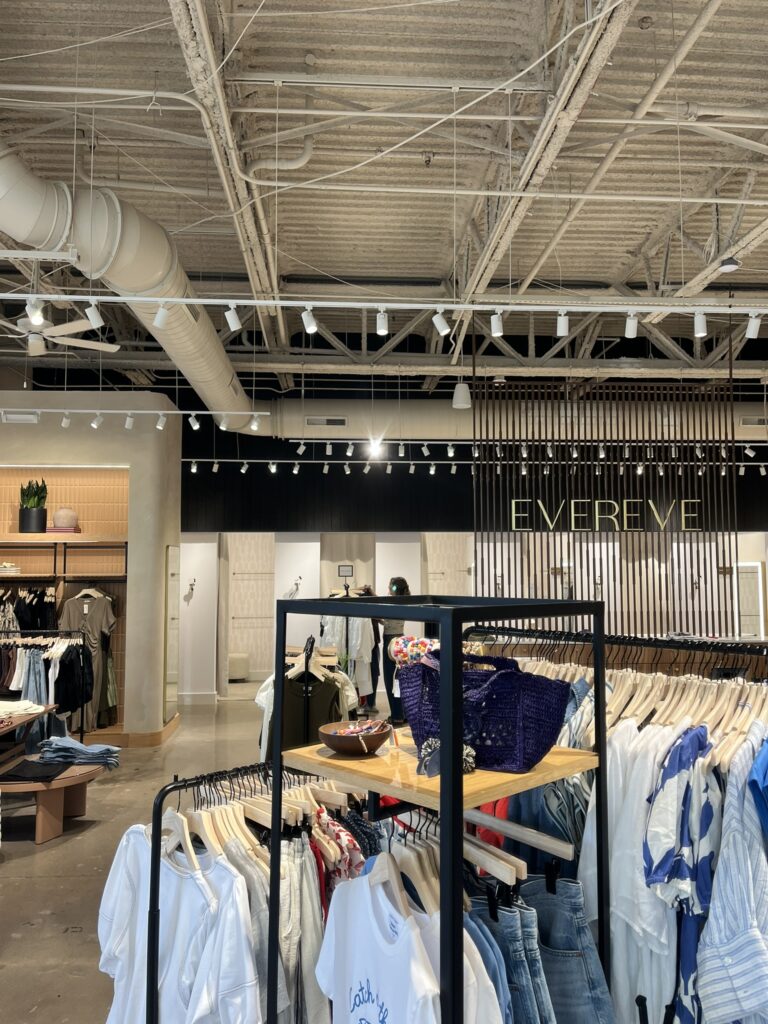
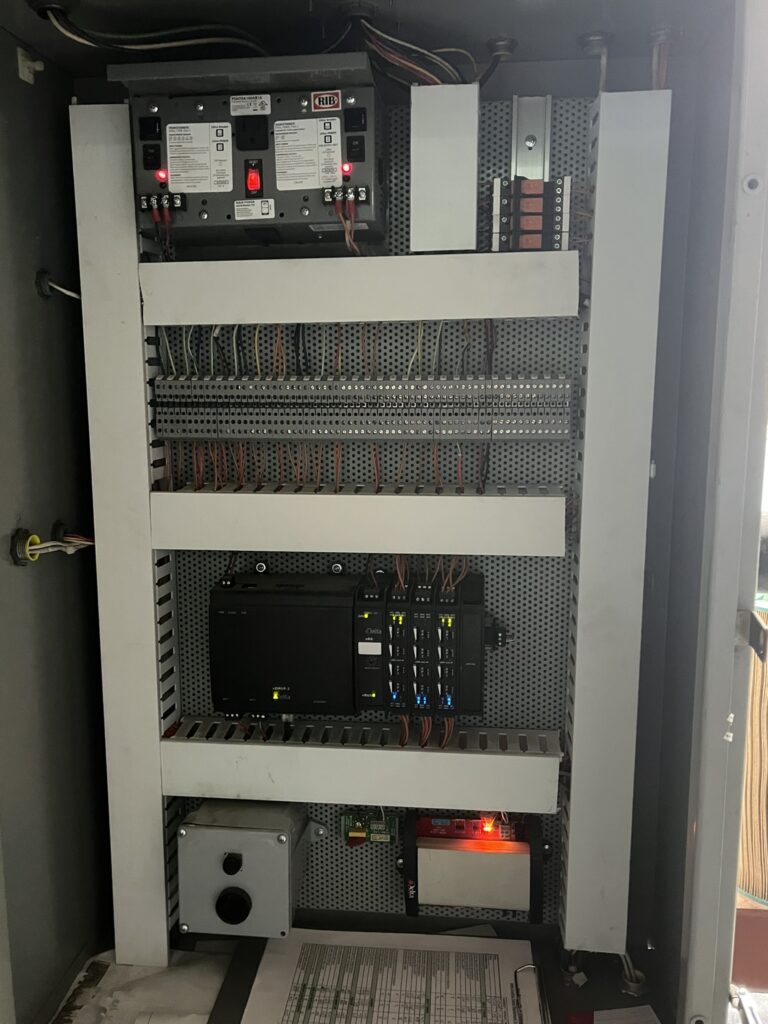
Photos from our own commercial projects — equipment we installed, in buildings we serviced.
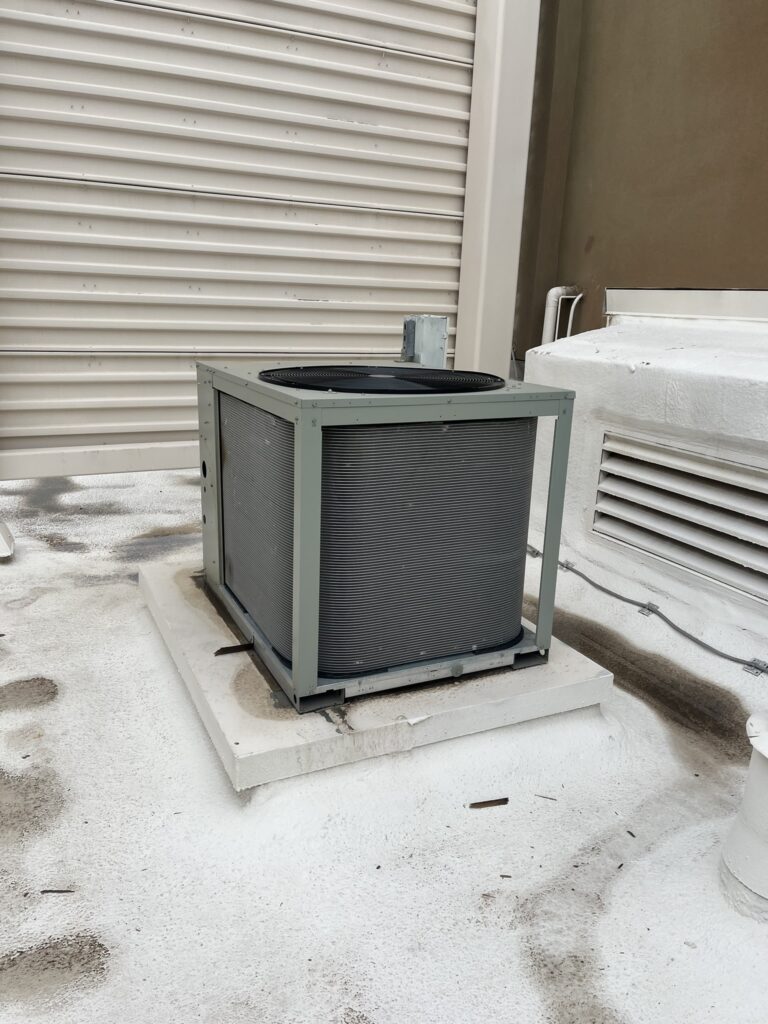
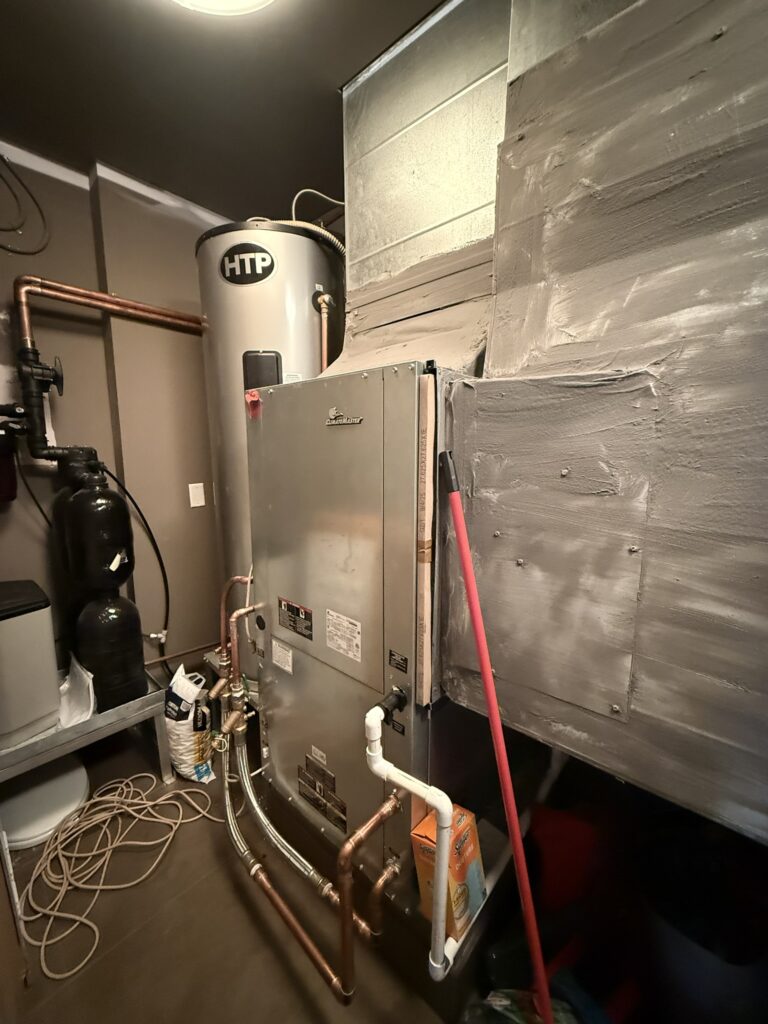
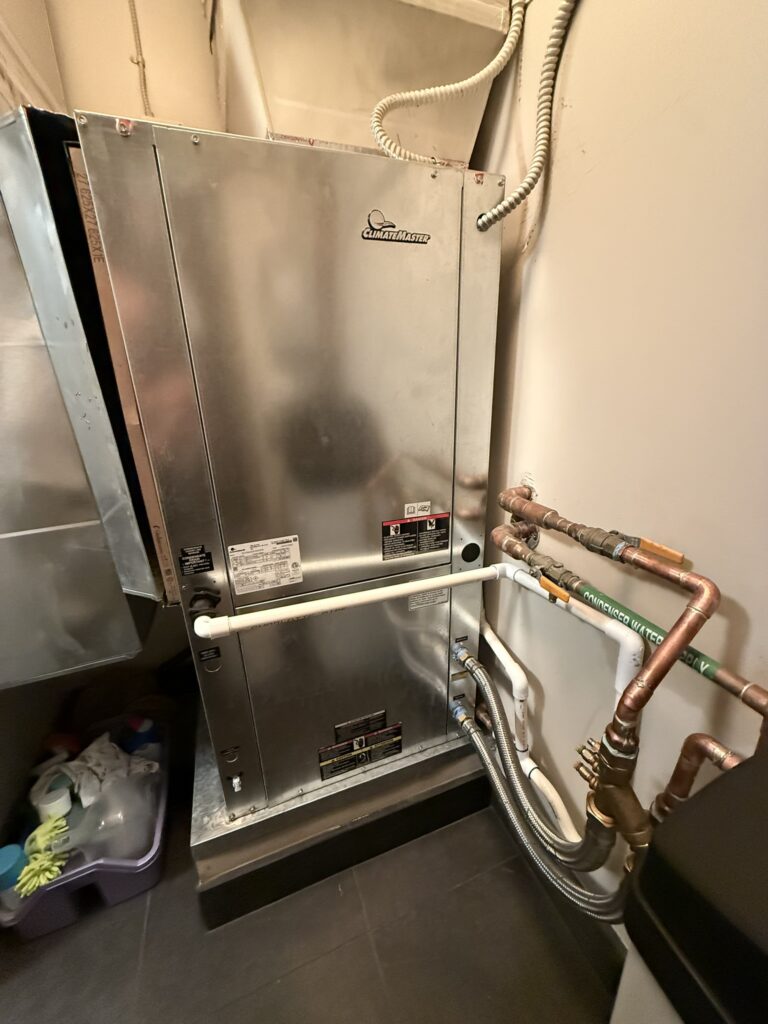
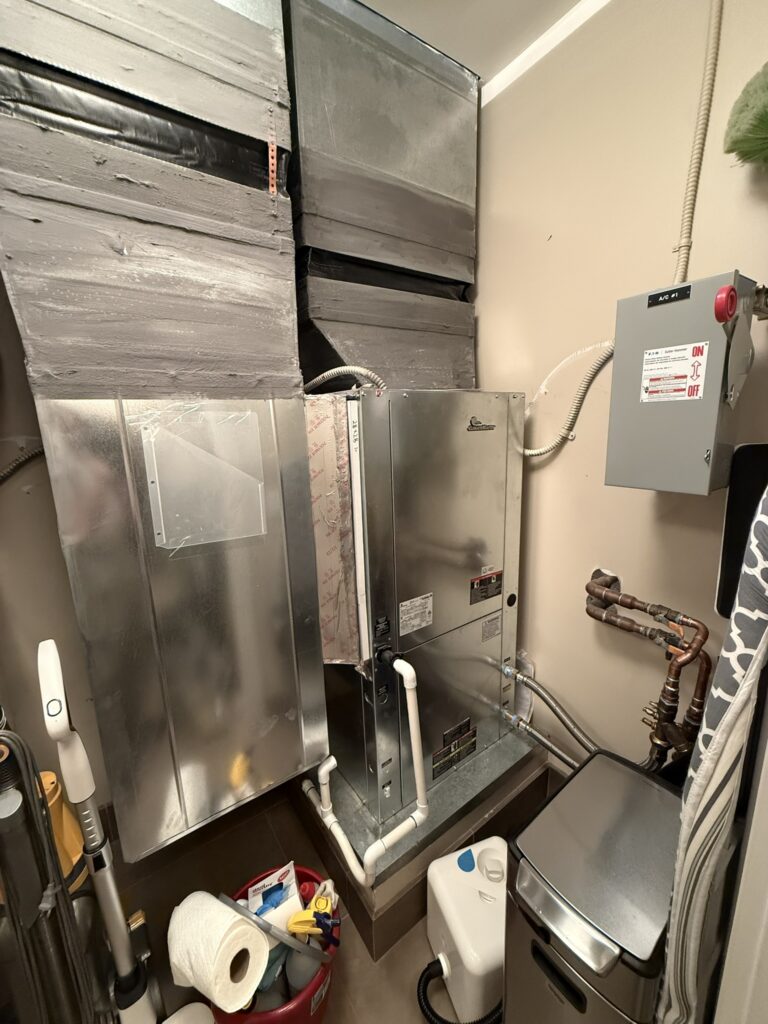
Nobody calls us because they want HVAC service. A restaurant owner calls because the dining room is 84° during Friday dinner service. A property manager calls because suite 210’s tenant is threatening to reference the lease. A veterinary clinic calls because the kennel room is climbing and the animals can’t tell anyone. The equipment overlaps — rooftop units, split systems, refrigeration, ventilation — but the stakes, the codes, and the cost of an hour of downtime are completely different business to business. That’s why Yeti Pros organizes commercial work by industry, not just by machine. Veteran-owned and operated, ROC #363372 · ROC #363423, serving the entire Phoenix metro. Call (480) 771-3252.
Why industry context changes the job
Two identical 10-ton rooftop units can sit a mile apart in the Valley and live utterly different lives. The one on a dental office runs weekday business hours, needs whisper-quiet operation over the operatories, and shares its schedule with a compressor room that generates heat all day. The one on a bar runs hardest at midnight, fights a room full of body heat, and shares its building with draft-beer refrigeration that must hold temperature through a Saturday rush. Same machine; different failure calendar, different triage priority, different maintenance cadence, different definition of “emergency.”
A contractor who understands your industry walks in already knowing what your Tuesday looks like: which failures cost you revenue versus which cost you a health-inspection finding, when your slow season is (that’s when we schedule the disruptive work), and what documentation your insurer, franchisor, health inspector, or corporate office will eventually ask for. That context is the difference between a vendor and a partner — and it’s why every industry we serve gets its own page, its own playbook, and its own honesty about what actually breaks.
Food service and hospitality
The most demanding corner of the commercial map, because comfort, refrigeration, and ventilation all carry revenue on their backs. Restaurants juggle kitchen exhaust balance, dining-room comfort, and walk-in temperatures simultaneously. Coffee shops pack espresso heat and morning rushes into small footprints. Bars and breweries run their peak loads at midnight and stake their product on process cooling. Grocery stores run refrigeration at a scale where a rack failure threatens entire departments. Hotels convert cooling failures directly into refunds and reviews, one room at a time. Event venues live on binary load swings — empty Tuesday, four hundred guests Saturday.
Healthcare and care facilities
Where temperature is part of the standard of care. Medical offices lose entire appointment books to cooling failures and serve waiting rooms full of heat-vulnerable patients. Dental practices balance operatory comfort against equipment rooms that run hot all day. Veterinary clinics and boarders face cooling failures as animal-safety emergencies. Senior living communities carry the heaviest duty of care in the Valley — older adults are the population Phoenix heat hurts first, and we treat those calls accordingly.
Offices, retail, and property portfolios
Where HVAC is tenant retention and lease math. Office buildings manage hot/cold complaints, after-hours billing, and aging equipment on Class B and C stock. Retail stores fight the door-swing physics of 115° sidewalks while keeping browsers browsing. Multi-family communities and HOAs run unit-count math where even a small failure rate means constant summer truck rolls. Property management companies need one competent vendor, one phone number, and consolidated reporting across a scattered portfolio — that’s a service we’ve built deliberately.
More industries we serve
The pages above are the start, not the boundary. We also run HVAC and refrigeration for schools and daycares, churches and worship spaces, warehouses and distribution centers, manufacturing and food processing, cold storage, self-storage, data centers and server rooms, laboratories, auto dealerships and repair shops, car washes, banks, government buildings, salons, laundromats, and more — industry pages for each are rolling out, and the underlying services are all live today: commercial AC repair, installation and design-build, rooftop units, chillers, boilers, refrigeration, walk-ins, ice machines, kitchen exhaust, maintenance, PM contracts, and 24/7 emergency response. If your industry isn’t listed yet, call anyway — the odds are excellent we already service buildings like yours.
What every industry gets from us, regardless
- A human on the phone, 24/7. Not an answering service — someone who can dispatch. Emergencies get triaged by operational stakes: loaded walk-ins, occupied care facilities, and revenue-hour failures move first.
- Flat-rate quotes in writing before work starts. The service-call fee is disclosed when you book and credited toward the repair. Emergency timing never becomes pricing leverage.
- Documentation built for your file. Service reports, refrigerant logs per EPA 608, before/after photos, asset condition grades — the paperwork your insurer, inspector, franchisor, or owner will eventually want, produced as a matter of routine.
- Work above the state floor. Every Arizona contractor is legally bound by the ROC’s Minimum Workmanship Standards; our written warranty sits on top of that floor, and both go in your records.
- Preventive maintenance that pays its own way. Every industry page on this site ends up making the same argument with different numbers: planned attention in the shoulder seasons beats emergency response in July. It’s true for all of them. See how our PM contracts work.
The Phoenix constant underneath every industry
Whatever your business, the Valley hands it the same physics: cooling seasons that run 12–16 hour days at 110°F+, monsoon dust that packs condensers and lightning that kills control boards, hard water that scales every piece of equipment that touches it, and an aging commercial equipment fleet — much of it installed in the late-’90s and 2000s building booms — hitting end-of-life simultaneously across the metro. Industry context tells us what your failure costs; Phoenix physics tells us when it’s coming. Between the two, there’s very little left to be surprised by.
How a new commercial account starts
Whatever your industry, onboarding runs the same disciplined sequence. First, a site walk — free, and genuinely diagnostic: we inventory every HVAC and refrigeration asset on the property, record model and serial data, note refrigerant types (R-22 equipment gets flagged immediately — it’s a budget landmine), and grade each unit’s condition. Second, the baseline report — a written snapshot of what you own, what shape it’s in, and what’s likely to fail in what order. You keep it whether or not you hire us; more than one operator has used our baseline to hold their previous vendor accountable. Third, the plan — urgent items triaged with flat-rate quotes, a maintenance cadence matched to your industry’s calendar, and emergency coverage active from day one. No long onboarding dance, no minimum spend before you’re “a real account.” The first summer with us should feel measurably calmer than the last one without us — that’s the test we set for ourselves.
The Valley’s commercial seasons, industry by industry
One planning insight worth stealing regardless of your business: Phoenix commercial HVAC has an inverted calendar, and smart operators exploit it. Hotels and resorts peak in winter and spring, which makes summer their maintenance window. Restaurants and theaters peak in summer — locals escaping the heat — so their disruptive work belongs in October. Schools get their projects done in June and July; venues rebuild before spring wedding season; retail hardens its systems in early fall before holiday traffic. We keep this calendar so you don’t have to: contract customers get their heavy work scheduled into their slow season automatically, and nobody discovers in November that the December-critical equipment needed a part with a six-week lead time.
Common questions from commercial operators
My industry isn’t listed. Do you serve it?
Almost certainly — the industry pages describe context, but the underlying trades (cooling, heating, refrigeration, ventilation) cover nearly every commercial occupancy in the Valley. Call and describe the building; you’ll know in two minutes.
Do you handle multi-site businesses across different industries?
Yes — that’s the property-management model: one agreement, consolidated reporting, one contact, triage across all your locations. A portfolio with a restaurant pad, office suites, and a warehouse is normal work for us.
Can you match the maintenance program to my industry’s calendar?
That’s the whole point of industry context. Restaurants get overnight work, venues get pre-event-season PM, hotels get summer maintenance windows, schools get summer-break projects. The contract is built around your operating calendar, not our convenience.
Who do you send — the same tech each time?
We aim for continuity on contract accounts because a tech who knows your building diagnoses faster. We won’t promise a specific person every visit — vacations and emergencies exist — but your asset history rides with whoever arrives, so nothing starts from zero.
Are you licensed for commercial work?
Yes — licensed, bonded, and insured under ROC #363372 and ROC #363423, with EPA 608-certified technicians for refrigerant work. Verification takes two minutes on the ROC’s public lookup, and we’d encourage you to run it on any contractor you hire.
Why does a veteran-owned shop matter to a business customer?
Because the habits transfer: punctuality, documentation, executing to standard, owning mistakes. And practically — many of our commercial clients employ veterans and military families, who get 10% off on the residential side of their lives. It’s a small thing that tends to matter to the right teams.
Tell us what your building does, and we’ll tell you what it needs. Call (480) 771-3252 — veteran-owned commercial HVAC for every industry in the Phoenix metro.
Permits and inspections
Most repairs are ordinary service work; bigger scopes can involve city permitting. We perform our work to code, pull the permits our scope requires, and put what we did in writing.
What's covered
Workmanship is covered for two full years, in writing, and repair parts carry a 1-year manufacturer parts warranty — we document installs and repairs so those claims stay simple to make
Why a licensed HVAC contractor matters.
Related specialty services.
Every industry, one page each.
Every major brand, serviced and installed.

Phoenix metro: Most days a tech is already working somewhere in the Valley, so same-day appointments happen when the schedule allows. After-hours emergencies are dispatched when a licensed tech is available — a real person answers and tells you the ETA on the call.
Call (480) 771-3252Request an estimate.
No pressure, no door knockers. We look at the HVAC system, tell you what it needs (and what it doesn’t), and put the number in writing.