
Phoenix Metro
HVAC for Auto Repair Shops in Phoenix.
- (520) 556-8929
- Serving the entire Phoenix metro — we come to you
- Office: Mon–Fri 8:00 AM – 5:00 PM · 24/7 emergency service
- 2-year workmanship warranty · 1-year parts warranty
- Veteran-owned & operated · residential + commercial
- 23 five-star Google reviews
Commercial jobs we have documented.
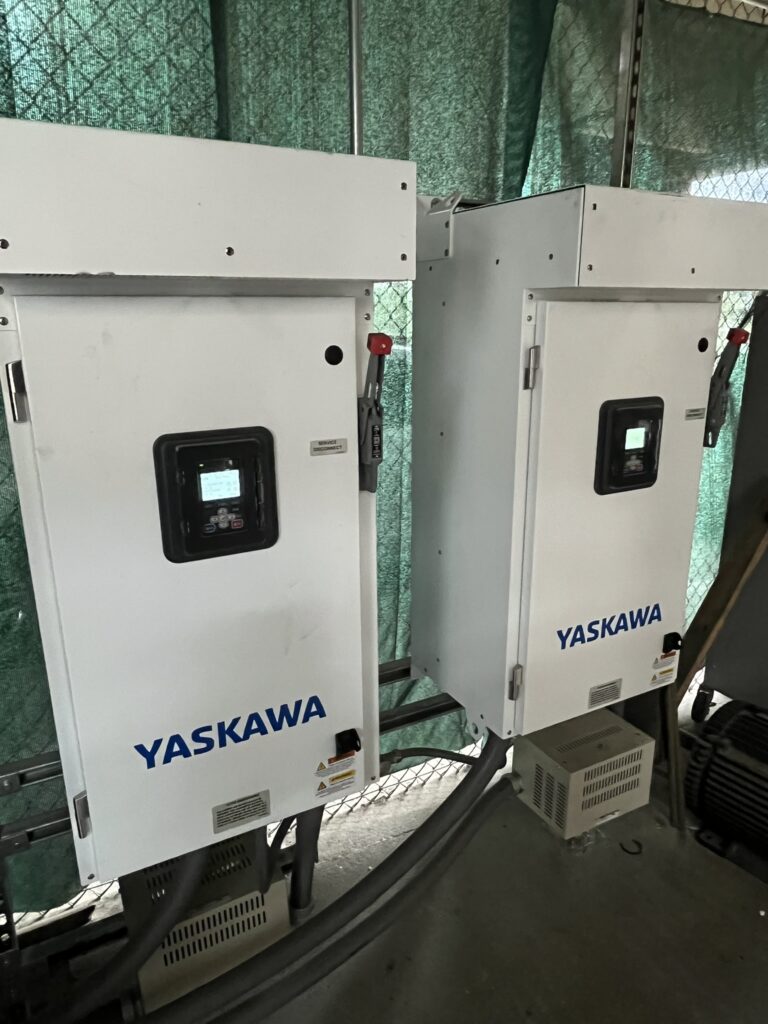
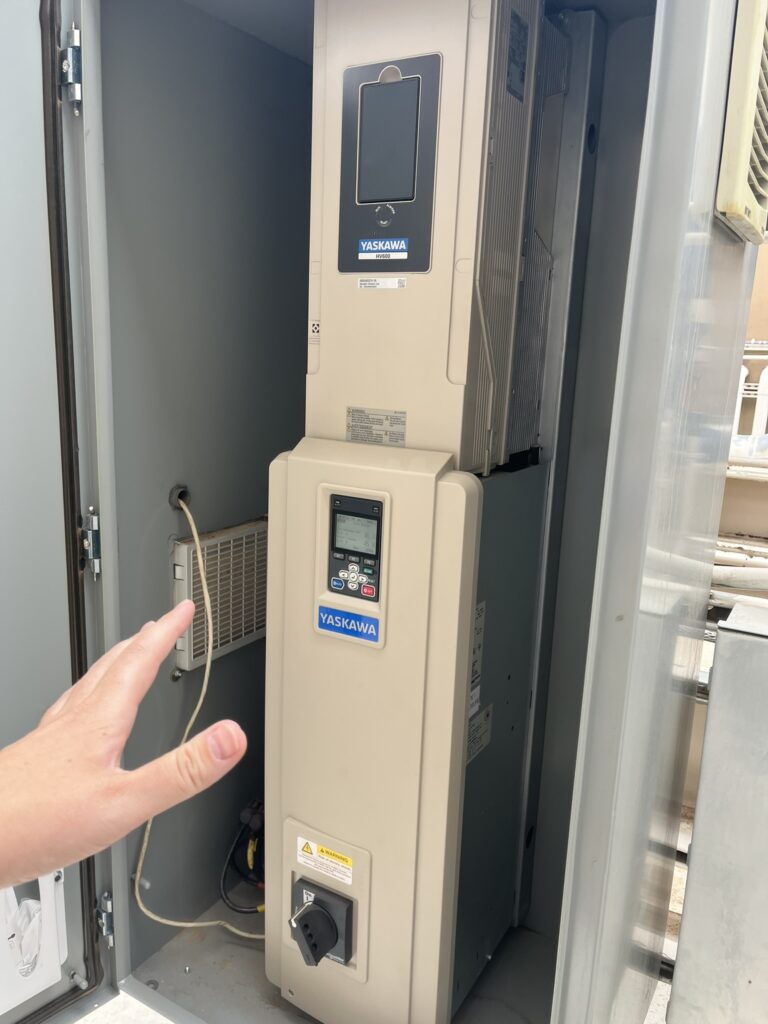
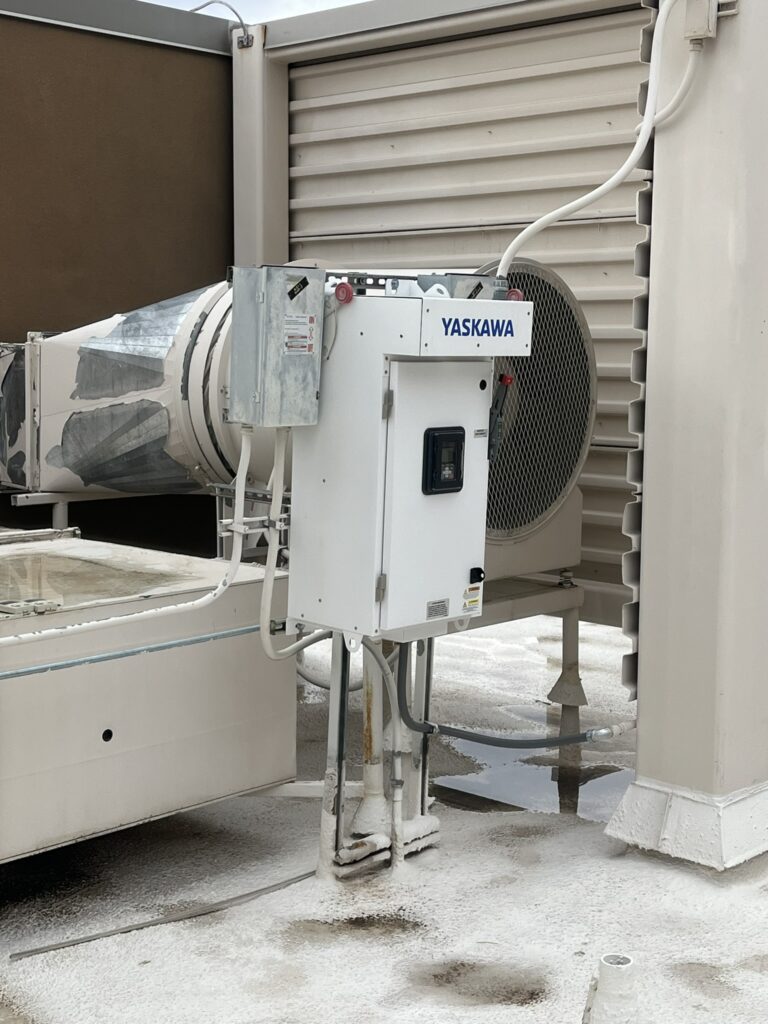
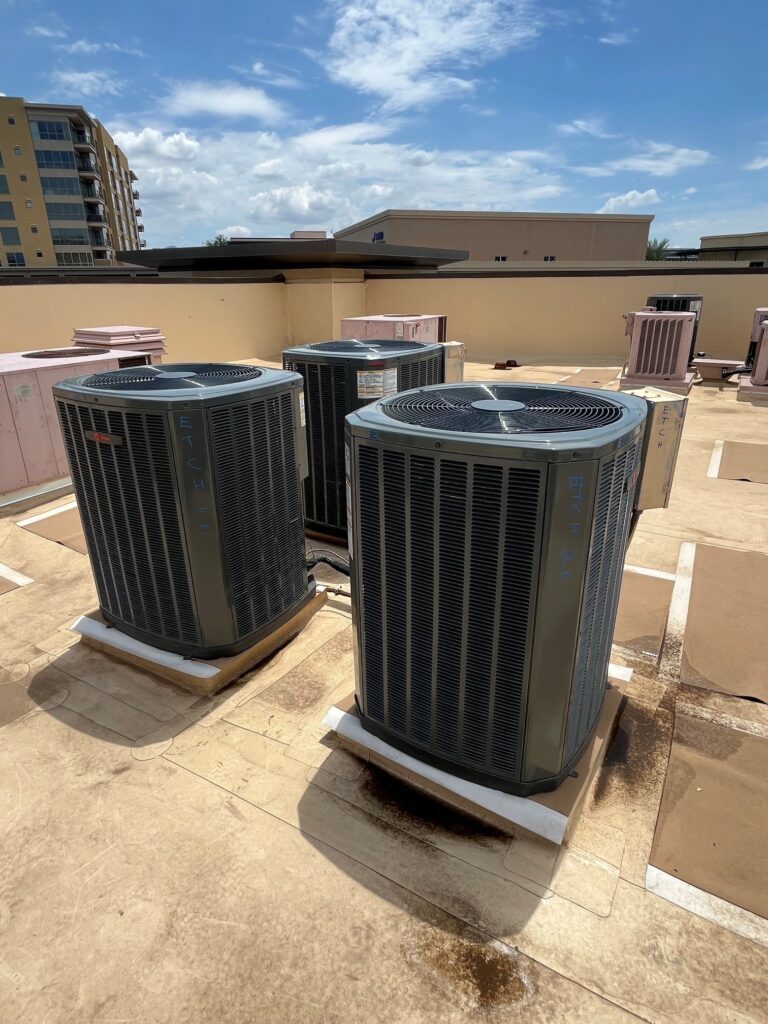
Photos from our own commercial projects — equipment we installed, in buildings we serviced.
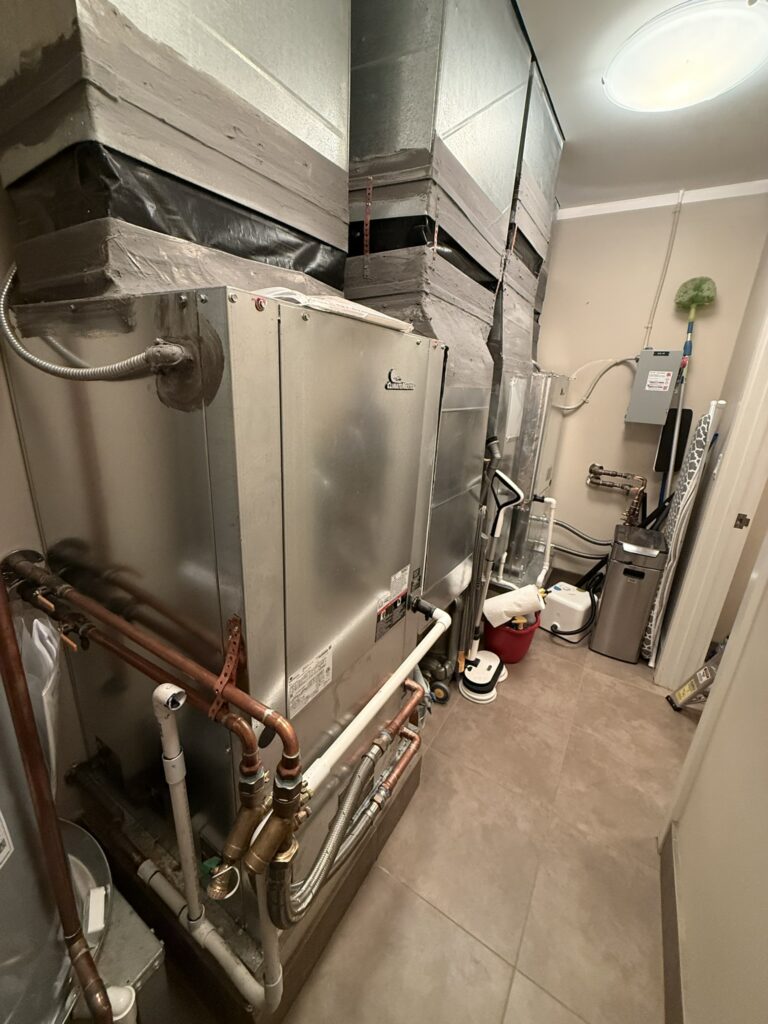
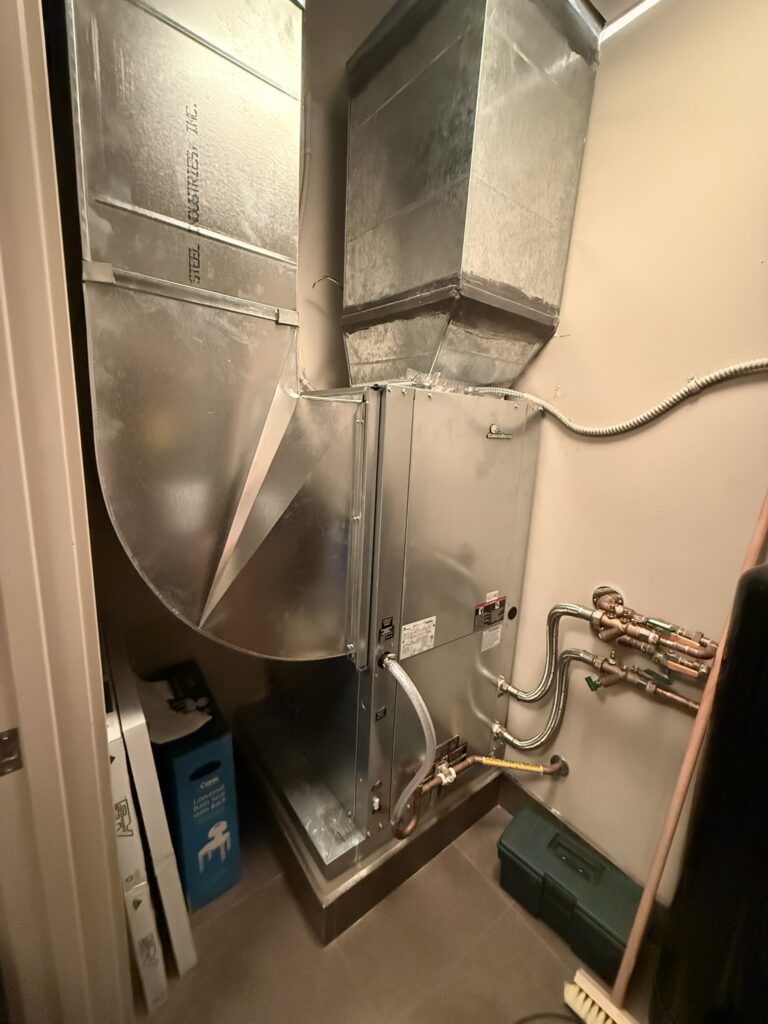
Auto repair shop HVAC service has to account for bay heat, open doors, vehicle load, office comfort, and customer waiting areas without pretending every zone is the same. Shops need a separate approach because technicians work in brutal conditions while advisors, owners, and customers still expect the front office to stay usable.
Auto Repair Shop HVAC Reality In The Valley
Front Office Zone
The front office, advisor counter, customer waiting area, restrooms, parts storage, and manager office usually need predictable refrigerated comfort.
Bay Zone
The bays live under a different set of rules: roll-up doors, hot engines, exhaust needs, compressors, welding or specialty work in some shops, high ceilings, and constant movement between inside and outside.
In Phoenix, that split gets sharper because cooling is business-critical most of the year. A waiting room that feels warm becomes a customer-service problem. An advisor desk that cannot stay cool turns every estimate conversation into a grind. A bay that traps heat slows the pace, wears out technicians, and makes recruiting and retention harder in a market where skilled people have options.
Refrigerated Systems
May serve offices, waiting rooms, and enclosed workspaces.
Evaporative Cooling
May support bay air movement in dry conditions. Has to be understood zone by zone.
Many shops use a mix of refrigerated air and evaporative cooling. When those systems are neglected, the whole building starts producing complaints that sound simple but have different causes.
RTUs are common on commercial repair buildings in the Valley. They sit on hot roofs, pull air through filters that can load quickly, and deal with monsoon dust on coils. A rooftop unit serving the office may be small but critical. A larger unit serving a bay area may run under harsh duty and still not produce showroom-style comfort. That distinction matters because a contractor should not sell a repair as a comfort cure when the building load is the real issue.
Customers leave sooner, staff struggle with paperwork, and phones become harder to handle.
Technicians slow down, comeback risk can rise from fatigue, and the owner hears about it from the people doing the work.
Electronics and workflow suffer.
Service for a Phoenix auto shop should start with a clear read of how the shop actually operates. We look at:
- Which areas are enclosed
- Which doors stay open
- What equipment serves each zone
- How filters and coils are holding up
- Whether the complaint is a repair issue, a maintenance issue, an airflow issue, or a realistic-capacity issue
Contracts And Cost Honesty
Commercial HVAC pricing for an auto repair shop depends on:
- The equipment
- Access
- Roof conditions
- Zone served
- Confirmed failure
- Parts availability
- Whether evaporative equipment is involved
- Whether work has to be done after the bays clear
We do not quote unseen work. We inspect, document the findings, and provide a flat-rate written quote for the approved scope.
A maintenance contract should be built around how dirty and demanding the shop is. A quiet office suite and an active repair shop should not be maintained the same way. Components needing attention on a cadence that matches the building’s workload:
- Filters
- Coils
- Drains
- Electrical components
- Belts (where applicable)
- Thermostat operation
- Evaporative components
Yeti Pros is veteran-owned & operated. AZ ROC #363372 · ROC #363423. Our work is held to the AZ ROC Minimum Workmanship Standards. We offer a 10% military, veteran & first responder discount. Financing is available.
Workmanship Warranty
We provide a 2-YEAR written workmanship warranty.
Parts Warranty
Repair parts carry a 1-YEAR manufacturer parts warranty.
For owners, the value of written maintenance is clarity. It helps you:
- See which units are aging
- See which repairs are recurring
- See which zones are creating operational risk
That helps you time repairs around busy weeks, plan replacement conversations, and avoid arguing from memory when the building gets hot again.
How We Run Service For Auto Repair Shops
We run shop service around active work. That means we ask about bay access, lift positions, vehicles that cannot move, roof access, office hours, and customer waiting areas before we walk in assuming a clean path.
Front Office/Waiting Room Call
We treat it as a customer-facing issue.
Bay Heat Call
We separate equipment failure from the realities of open doors and heavy internal load.
Yeti Pros is a service-area business with no street address for customer visits; we come to you across Phoenix and the Valley. Office hours are Mon-Fri 8-5, with 24/7 emergency service.
Office Cooling Loss
Can be urgent during a hot week, even when bays are still operating.
Bay Unit Down
Urgency depends on the shop schedule, technician conditions, and whether other ventilation or cooling support is still working.
At booking, the diagnostic or service-call fee is disclosed and credited toward the repair. We inspect in person before quoting the repair. After that look, we provide flat-rate written quotes, and scopes and findings are documented in writing. For a shop owner or manager, that written scope matters because the decision is usually practical:
- Approve the repair
- Plan a larger fix
- Schedule maintenance before the next heavy heat cycle
Front Office Complaints
A failed capacitor, dirty coil, low airflow, or thermostat issue may directly explain poor comfort.
Bay Complaints
The same equipment problem may be only part of the picture. Doors, exhaust requirements, ceiling height, insulation, radiant heat from vehicles, and air movement all affect the result. We document HVAC findings to separate fixable equipment problems from building-use conditions.
Preventive maintenance for a repair shop should pay attention to dirt, run time, and access. Specific items needing inspection:
- Filters (can load from dust, shop activity, doors)
- Condenser coils (can take monsoon debris and road dust)
- Condensate drains (can clog)
- Electrical components (get stressed by long summer operation)
- Belts (where used, need inspection)
- Thermostat settings and staff overrides (should be checked to prevent fighting controls)
For cooling repairs, see commercial AC repair. For recurring visits, documentation, and planned inspection cadence, see commercial maintenance contracts. To schedule service, use contact or call (520) 556-8929.
Decision Table For Repair Shop HVAC Problems
Auto repair shops often report HVAC problems as broad heat complaints. The useful first step is narrowing the affected zone, the equipment serving it, and whether the issue is sudden failure or chronic underperformance.
| Symptom Or Situation | What It Usually Means | Priority |
|---|---|---|
| Waiting room or office stops cooling | RTU or split-system failure, airflow restriction, thermostat problem, dirty coil, or electrical component failure | High because customers and staff are affected |
| Bay feels hotter every afternoon | Door load, roof heat, dirty coils, evaporative cooler weakness, poor air movement, or equipment capacity limits | High during peak summer work |
| Evaporative cooling feels weak | Pad, pump, water-distribution, airflow, maintenance, or humidity-condition issue | Medium to high depending on bay conditions |
| Office cools but advisor counter is uncomfortable | Air balance problem, blocked supply, thermostat placement, glass load, or changed layout | Medium, higher when customers wait nearby |
| Repeated breaker trips or short cycling | Electrical stress, failing components, dirty condenser coil, motor issue, or deeper equipment failure | High because repeat trips can stop operation |
| Water around unit or ceiling stain | Clogged condensate drain, pan issue, coil icing, or maintenance problem | Prompt service before building damage spreads |
Phoenix-Metro Specifics For Auto Repair Shops
Repair shops in the Phoenix metro often run with doors open for access, exhaust movement, and workflow. That makes HVAC performance more complicated than a closed retail suite. The system is not only fighting outdoor air; it is fighting:
- Vehicles
- Pavement heat
- Roof heat
- Equipment heat
- Constant traffic between the lot and the bays
Monsoon dust hits shops hard. Factors adding load to filters and coils:
- Bay doors
- Parts deliveries
- Road grime
- Nearby traffic
When a condenser coil is dirty, the unit has to work harder on the exact days when the roof is hottest. When filters are neglected, airflow drops, coils can ice, and comfort complaints move from one room to the whole building.
Office RTU
May look less important than the bay system, yet it often drives customer experience.
Bay RTU
May be larger, louder, and more exposed to harsh use.
RTUs dominate many commercial buildings in the Valley because they are practical and serviceable, but they need access and routine attention. Both need to be tracked by unit, zone, and condition.
Evaporative cooling deserves clear expectations. It can be useful for bay support in the right conditions, but it is not the same as refrigerated air, and it will not make an open repair bay behave like a closed office. Factors that all matter:
- Pad condition
- Water delivery
- Airflow
- Controls
- Humidity
- Duct condition
We service the equipment and document what we find; we do not dress up limits as a miracle fix.
Commercial electrical and utility demand realities also shape decisions. A shop with:
- Repeated compressor starts
- Failing motors
- Neglected coils
…can see equipment strain long before it becomes a complete failure. We look for avoidable stress and explain what maintenance or repair can address. We do not invent savings claims from a quick inspection.
Across Phoenix and the Valley, the practical goal is to keep the office and customer space reliable, give technicians workable bay conditions, and plan repairs before the first failed unit controls the whole day. The owner needs straight information:
- What failed
- What can be fixed
- What is a maintenance issue
- What needs planning
Straight Answers
Can you cool an open auto repair bay like an office?
Not honestly. An open bay has door load, vehicle heat, exhaust needs, and high air turnover. We can service the HVAC or evaporative equipment, improve neglected conditions where found, and document limits, but a bay and a closed office need different expectations.
Do you work on refrigerated and evaporative systems?
We service commercial HVAC equipment serving repair shops, including refrigerated systems and evaporative cooling components where applicable. During the visit, we identify what serves each zone and document the condition so the owner knows which system is driving the complaint.
How fast can you respond if our office AC is down?
Office hours are Mon-Fri 8-5, and 24/7 emergency service is available. Call (520) 556-8929. We will disclose the diagnostic or service-call fee at booking, inspect the system in person, and credit that fee toward the repair when approved.
Should a repair shop have a maintenance contract?
Usually, yes. Shops are hard on HVAC because of dust, doors, long cooling seasons, and uneven loads. A maintenance contract creates a documented inspection cadence and helps catch dirty coils, weak electrical parts, drain issues, and airflow restrictions before they turn into avoidable downtime.
If this reads like your building, the practical first step is a walkthrough — request one here — or start with the specific problem in front of you via commercial AC repair. Either way, the findings land in writing.
Permits and inspections
Most repairs are ordinary service work; bigger scopes can involve city permitting. We perform our work to code, pull the permits our scope requires, and put what we did in writing.
What's covered
Workmanship is covered for two full years, in writing, and repair parts carry a 1-year manufacturer parts warranty — we document installs and repairs so those claims stay simple to make
HVAC for Auto Repair Shops in Phoenix, city by city.
Every city below has its own local page for this industry — local FAQs, utility territory, and dispatch reality included.
Why a licensed HVAC contractor matters.
Commercial HVAC, industry by industry.
Every major brand, serviced and installed.

Phoenix metro: Most days a tech is already working somewhere in the Valley, so same-day appointments happen when the schedule allows. After-hours emergencies are dispatched when a licensed tech is available — a real person answers and tells you the ETA on the call.
Call (520) 556-8929Request an estimate.
No pressure, no door knockers. We look at the HVAC system, tell you what it needs (and what it doesn’t), and put the number in writing.