
Phoenix Metro
HVAC for Grocery Stores in Phoenix.
- (520) 556-8929
- Serving the entire Phoenix metro — we come to you
- Office: Mon–Fri 8:00 AM – 5:00 PM · 24/7 emergency service
- 2-year workmanship warranty · 1-year parts warranty
- Veteran-owned & operated · residential + commercial
- 23 five-star Google reviews
Commercial jobs we have documented.
Photos from our own commercial projects — equipment we installed, in buildings we serviced.
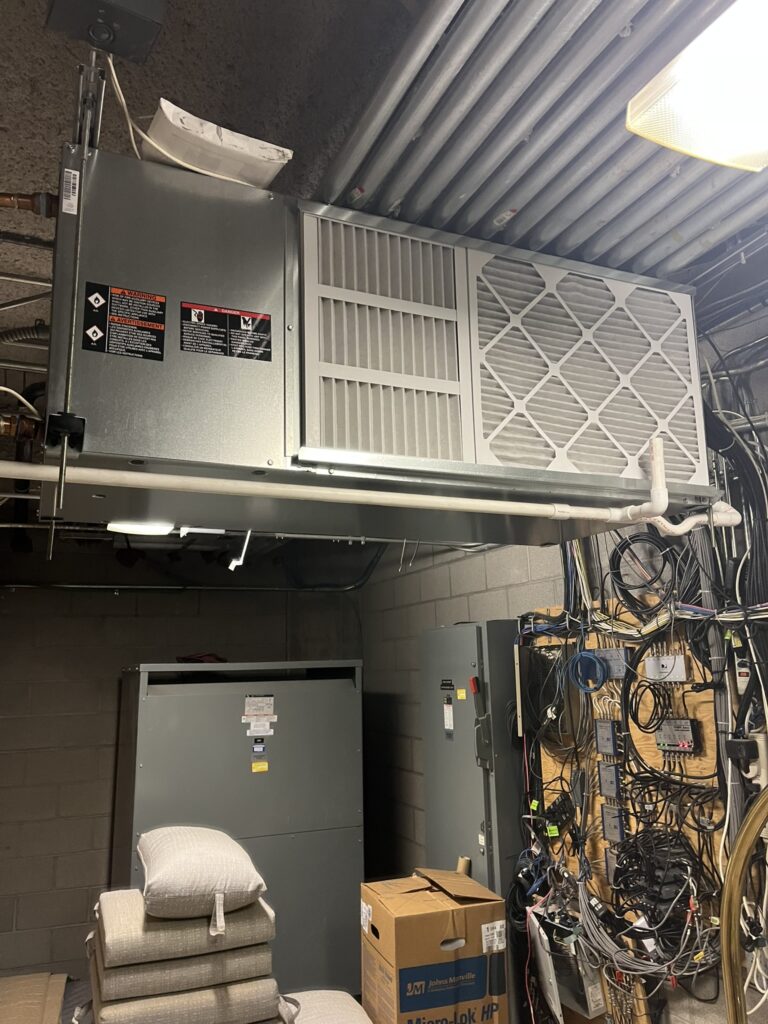
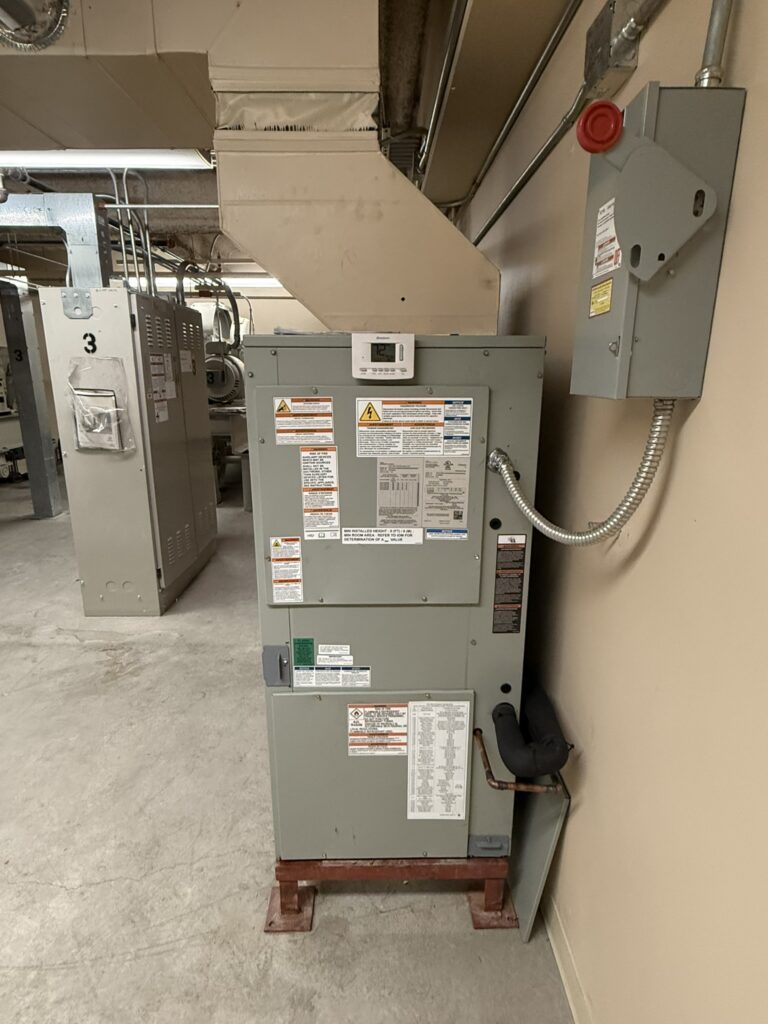
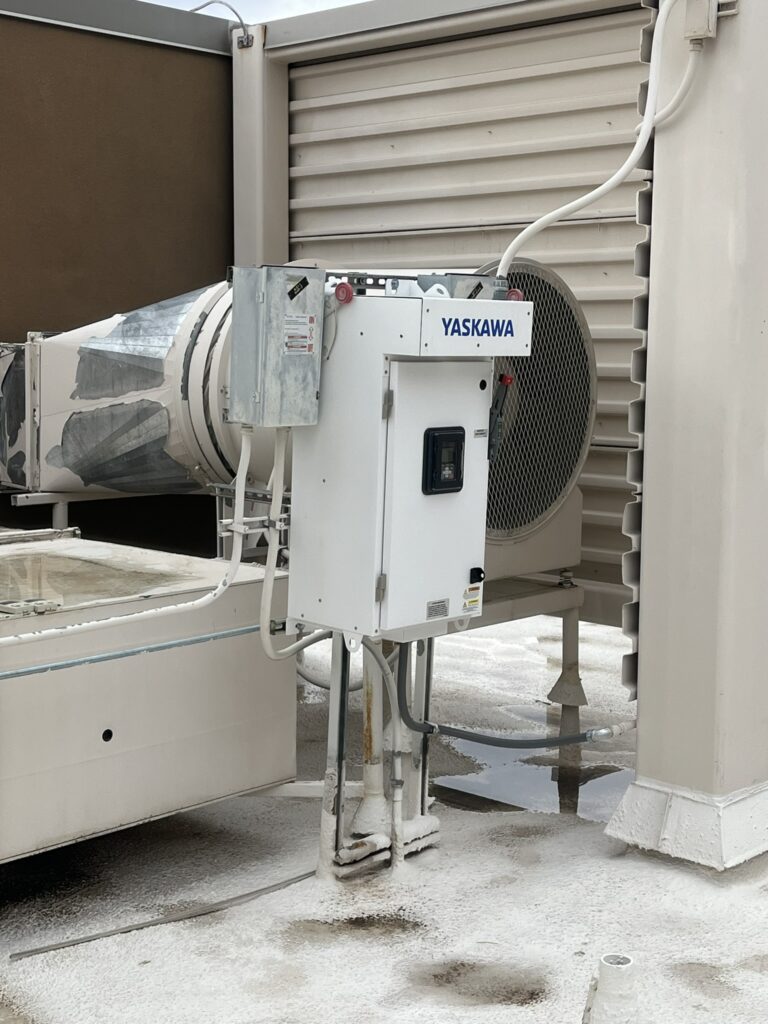
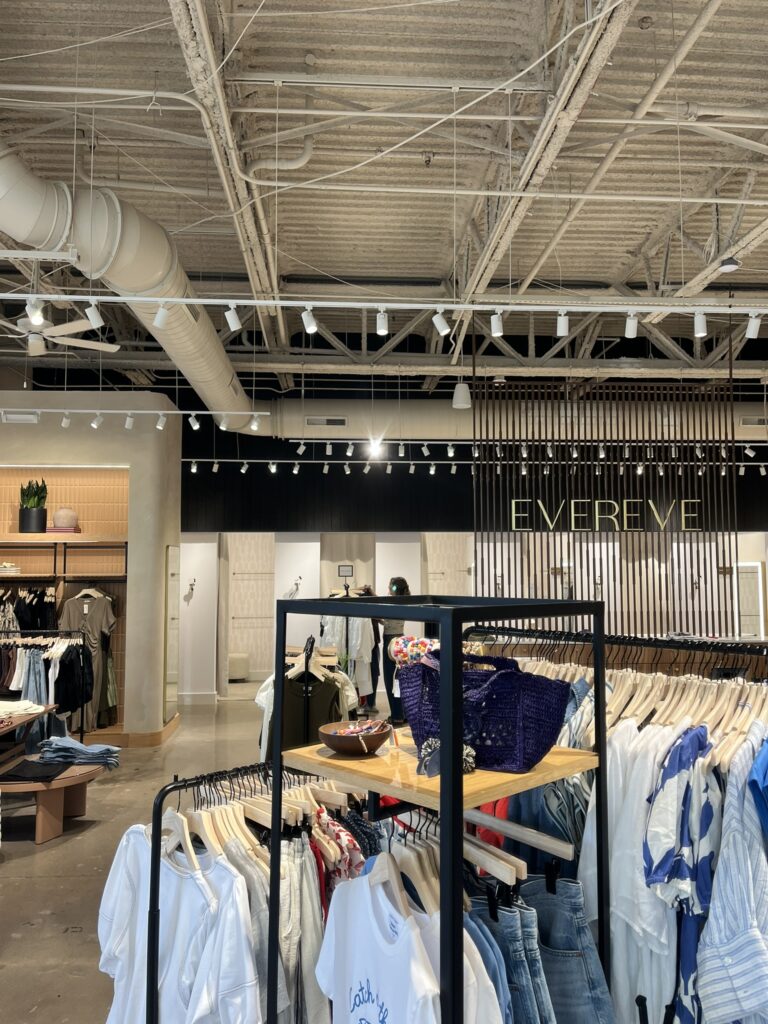
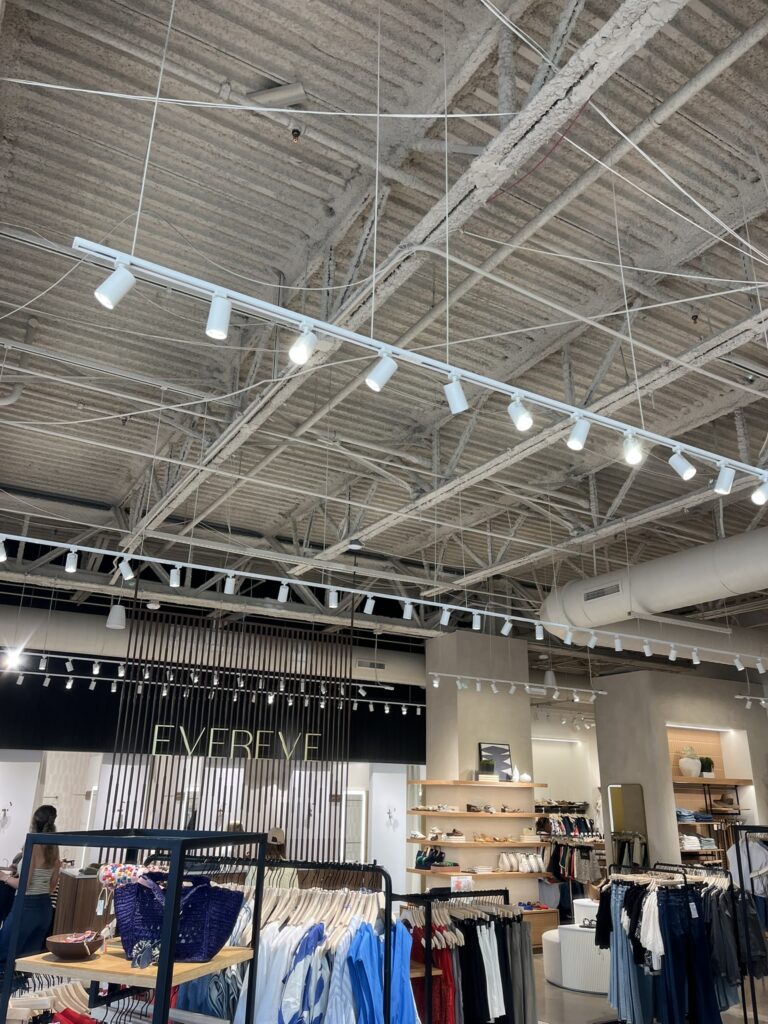
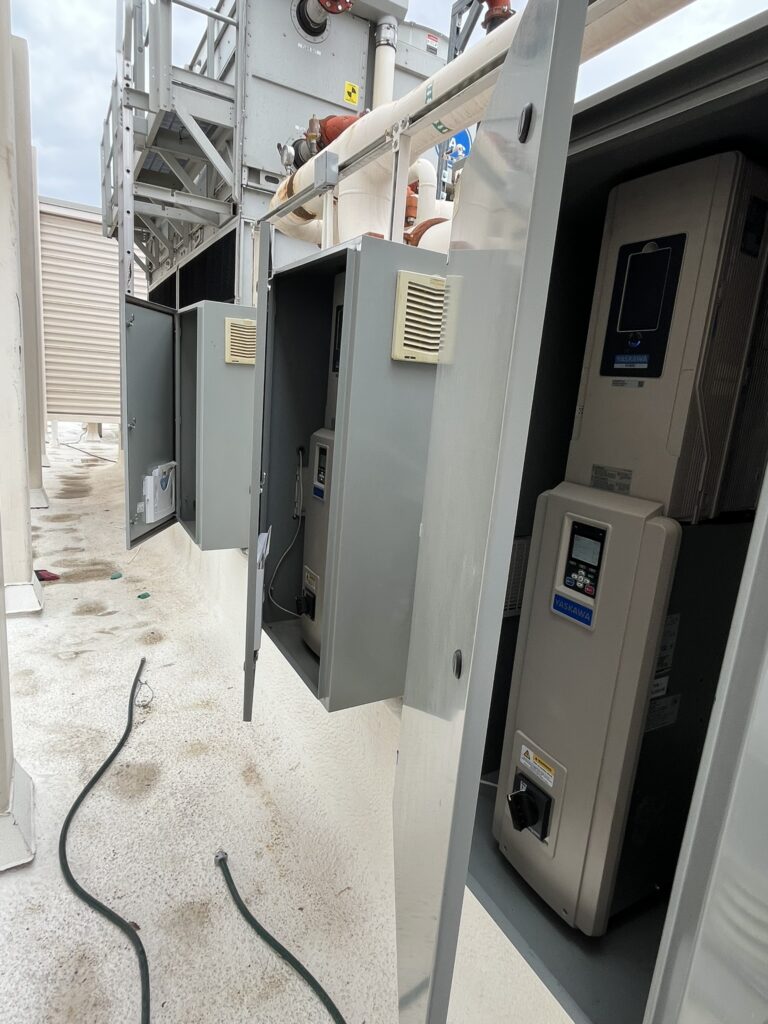
Grocery store HVAC in Phoenix can’t be judged apart from the refrigeration it serves — the sales-floor air and the case lineup are one interlocking machine, and when they fight each other the losers are your energy bill, your compressors, and eventually your product.
Yeti Pros is a veteran-owned and operated commercial HVAC and refrigeration contractor serving grocers, markets, and specialty food stores across the entire Phoenix metro, licensed under ROC #363372 and ROC #363423.
Rack alarm sounding or a case lineup drifting warm? Call (520) 556-8929 — the line is staffed around the clock.
Your store air is part of your refrigeration system
Open display cases are in constant conversation with the air around them. When HVAC and refrigeration are maintained by two companies that never speak, this interaction is nobody’s job.
Every grain of moisture in the sales-floor air eventually lands on a case’s evaporator coil as frost, forcing longer and more frequent defrost cycles, driving anti-sweat heaters harder, and making every case work overtime just to hold spec.
Meanwhile the cases spill their cold air into the aisles, chilling shoppers and confusing the comfort system’s sense of what the store actually needs.
We service both sides of it on purpose — a grocery store whose air handling is tuned for its cases runs colder, drier, and meaningfully cheaper than one where the systems fight.
Monsoon humidity is a refrigeration event
Monsoon Effects
On the sales floor it shows up as fogged glass doors.
Sweating case exteriors.
Condensation slicking the tile in front of the frozen aisle.
Evaporators icing faster than their defrost schedules were ever set for.
HVAC Defense
Rooftop units that can genuinely wring moisture from the air.
Run times and airflow configured for dehumidification rather than temperature alone.
Economizer settings that don’t invite the monsoon indoors.
Our RTU service and commercial HVAC maintenance treat latent load as a first-class problem in this market, because for a grocer it dictates how the entire refrigeration plant behaves for a third of the year.
Rack systems, redundancy, and what “down” actually means
Most grocery refrigeration runs on parallel compressor racks, which changes the failure math.
One compressor tripping out doesn’t warm your cases — the rack redistributes the load — but it does spend your safety margin, and a store that ignores a down compressor is betting whole departments that a second one won’t follow during a 115°F week.
Our commercial refrigeration techs handle rack compressors, controls, and case-level faults, with EPA 608-certified work on systems whose refrigerant charges run into the hundreds of pounds — where leak detection and honest documentation aren’t just good practice but genuine regulatory and financial exposure.
Product loss is measured in departments, not shelves
Restaurant Product Loss
When a reach-in dies at a restaurant, the owner loses a box of product.
Grocery Product Loss
When a suction group or case circuit fails at a grocery store, the exposure is an entire dairy wall, the full meat case, or every door of frozen — inventory worth many multiples of any repair invoice, gone in hours.
Our Triage Steps
Which circuits still hold.
What the backroom walk-in coolers and freezers can absorb.
What needs covering first.
Afterward, the service report documents failure time, cause, repair, and verified recovery temperatures — the paper trail your insurer will request on a product-loss claim and your health inspector will request regardless.
The front door on a 115° afternoon
A grocery entrance is a wound in the building envelope that never closes: carts and customers streaming through all day, automatic doors standing open through every cluster of shoppers, and on a 115°F afternoon each cycle pushing a wave of superheated air across the produce tables and checkout lanes.
Factors Determining Wave Travel
Vestibule performance.
Air-curtain condition.
Building pressurization.
A store running slightly negative — its exhaust fans outpulling its supply air — actively inhales hot parking-lot air every time the doors part.
We measure and correct pressure balance as part of grocery work because it quietly drives comfort complaints, energy waste, and case frosting all at once. Small mechanical fixes at the entrance — a repaired air curtain, adjusted door timing, rebalanced supply air — routinely do more for front-end comfort than another ton of cooling ever would.
Summer door traffic also punishes the produce department specifically: misted, open-air displays sit closest to the entrance in most Valley floor plans, absorbing every hot-air wave first. If your produce shrink climbs every July, the front door deserves as much suspicion as the refrigeration.
Night curtains and the other unglamorous wins
High-Return Efficiency Measures
Night curtains pulled over open cases after close cut overnight refrigeration load substantially and slow the coil frosting that daytime humidity started.
Reach-in and walk-in door gaskets.
Anti-sweat heater controls that respond to actual humidity instead of running full-time.
Clean condensers.
Defrost schedules retuned by season all compound into real money at grocery scale — refrigeration runs every hour of the year, so each small inefficiency gets multiplied by all 8,760 of them.
We fold these checks into routine maintenance rather than dressing them up as capital projects.
Health inspection at grocery scale
Restaurant Inspection
A restaurant defends a handful of cold-holding points at inspection.
Grocery Store Inspection
A grocery store defends dozens — every case, every island, every walk-in, each with its own thermometer and its own opportunity to drift. One bad reading in a deli case can hang a violation on a store that’s otherwise flawless.
Our maintenance visits verify and calibrate temperatures across the whole lineup and record them in writing, and where your deli or prepared-foods department runs hoods, we keep them on an NFPA 96 exhaust cleaning cadence with certificates on file.
The goal is a store where the logs, the equipment, and the inspector’s thermometer all agree.
One contractor for the whole box
The argument of this entire page is that a grocery store’s mechanical systems are one system, so we contract them as one.
Our planned maintenance contracts put RTUs, racks, cases, walk-ins, and deli hoods on a single schedule with a single condition report — and one number to call at 3 a.m., answered by a person who can dispatch, every night of the year. Contract stores ride the front of the queue when the summer failure wave hits the Valley. Beyond this service, we handle other commercial building needs.
Written numbers from a veteran-owned contractor
Our Financial Commitments
Repairs carry flat-rate written quotes approved before work begins, and the service-call fee is stated when you book and credited against the repair.
Our workmanship warranty rides on top of the Arizona ROC’s Minimum Workmanship Standards — the floor every licensed Arizona contractor must meet.
For the many store owners, managers, and crew members who’ve worn a uniform, our 10% military, veteran & first responder discount covers the HVAC in their own homes: service to the person, not just the store.
Grocery store HVAC questions Phoenix operators bring us
Why do our cases ice up worse during monsoon season?
Humid store air is the fuel. Every door swing adds moisture that ends up as frost on case coils, overwhelming defrost schedules set for drier months. The durable fix usually lives on the HVAC side — better dehumidification and pressure control — not more aggressive defrost.
A compressor on our rack failed but temps are holding. Is it urgent?
Yes — what failed was your redundancy. The rack is carrying the load with no margin left, and a second failure during a heat wave takes departments down. Fix it while it’s a scheduled repair instead of a catastrophe.
Do you handle both the rooftop units and the refrigeration?
Yes, deliberately. The case-and-air interaction is where grocery stores win or lose, and it only gets managed when one contractor owns both sides — one schedule, one report, no finger-pointing between trades.
What should staff do the moment a case lineup fails?
Cover open cases (night curtains work), move the highest-risk product to backroom walk-ins, note the time, and start logging temperatures. Then call — loaded failures ride the top of the queue, and your notes anchor both the insurance claim and the inspection record.
Can your documentation support a product-loss insurance claim?
Yes. Service reports record when the failure occurred, what caused it, what was repaired, and verified temperatures at recovery — the dated, third-party evidence adjusters ask for first.
Shoppers say the aisles are freezing, but the cases run warm. How is that possible?
Cold air is spilling out of the cases into the aisle instead of staying over the product — an airflow, loading, or curtain problem — while the comfort system reads the chilled aisle and backs off. It’s the classic case-HVAC interaction, and it’s correctable.
Are night curtains actually worth the hassle?
For open cases, emphatically. They cut overnight load, reduce coil frosting, and help product ride out short equipment hiccups. Among refrigeration efficiency measures, they’re about the cheapest thing that genuinely works.
How fast can you respond to an overnight rack alarm?
The phone is answered by a person 24/7, and grocery refrigeration failures get top priority. We won’t invent a minutes guarantee, but you’ll get an honest ETA the moment you call, anywhere in the metro.
Departments on the line? Call (520) 556-8929 — veteran-owned commercial refrigeration and HVAC for Phoenix-metro grocers, 24/7, ROC #363372 · ROC #363423.
Permits and inspections
Most repairs are ordinary service work; bigger scopes can involve city permitting. We perform our work to code, pull the permits our scope requires, and put what we did in writing.
What's covered
Workmanship is covered for two full years, in writing, and repair parts carry a 1-year manufacturer parts warranty — we document installs and repairs so those claims stay simple to make
HVAC for Grocery Stores in Phoenix, city by city.
Every city below has its own local page for this industry — local FAQs, utility territory, and dispatch reality included.
Why a licensed HVAC contractor matters.
Commercial HVAC, industry by industry.
Every major brand, serviced and installed.


Phoenix metro: Most days a tech is already working somewhere in the Valley, so same-day appointments happen when the schedule allows. After-hours emergencies are dispatched when a licensed tech is available — a real person answers and tells you the ETA on the call.
Call (520) 556-8929Request an estimate.
No pressure, no door knockers. We look at the HVAC system, tell you what it needs (and what it doesn’t), and put the number in writing.