
Phoenix Metro
HVAC for Convenience Stores — Phoenix Metro.
- (480) 771-3252
- Serving the entire Phoenix metro — we come to you
- Office: Mon–Fri 8:00 AM – 5:00 PM · 24/7 emergency service
- 2-year workmanship warranty · 1-year parts warranty
- Veteran-owned & operated · residential + commercial
- 66 five-star Google reviews
Commercial jobs we have documented.
Photos from our own commercial projects — equipment we installed, in buildings we serviced.
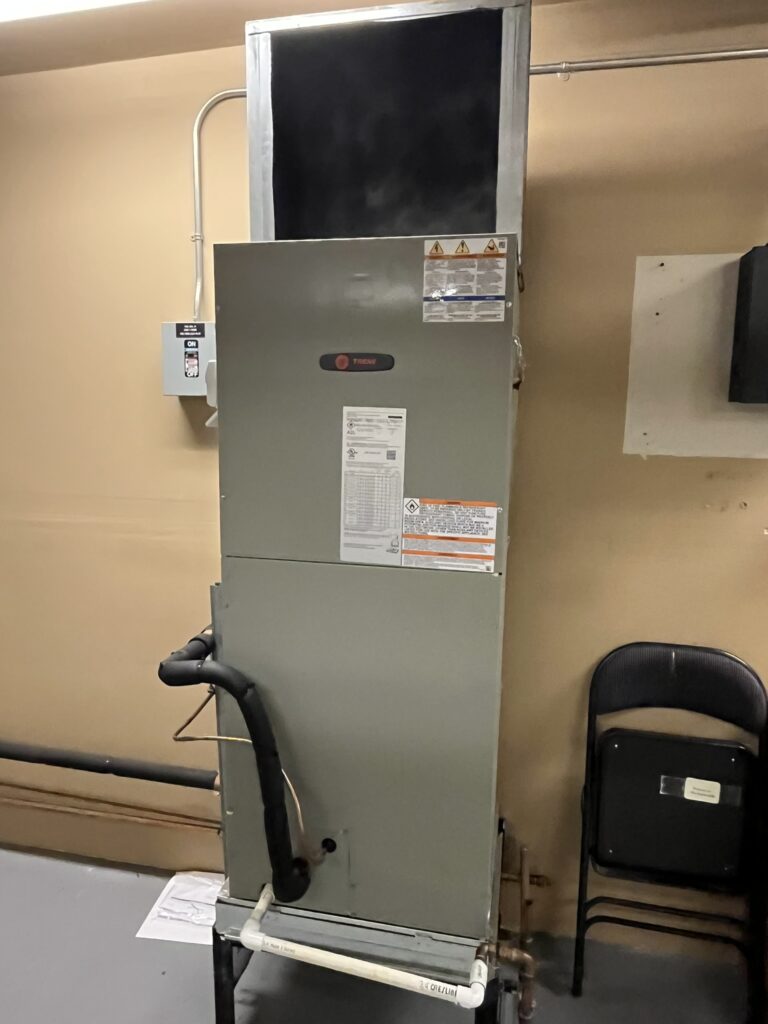
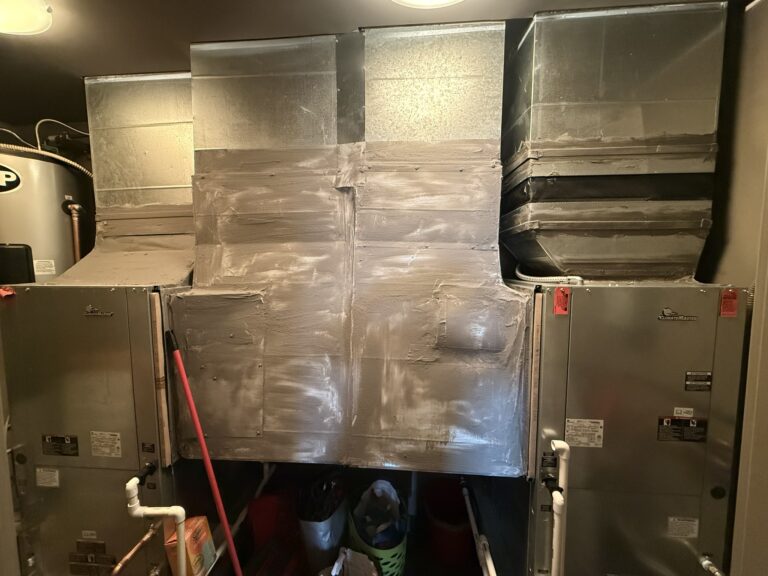
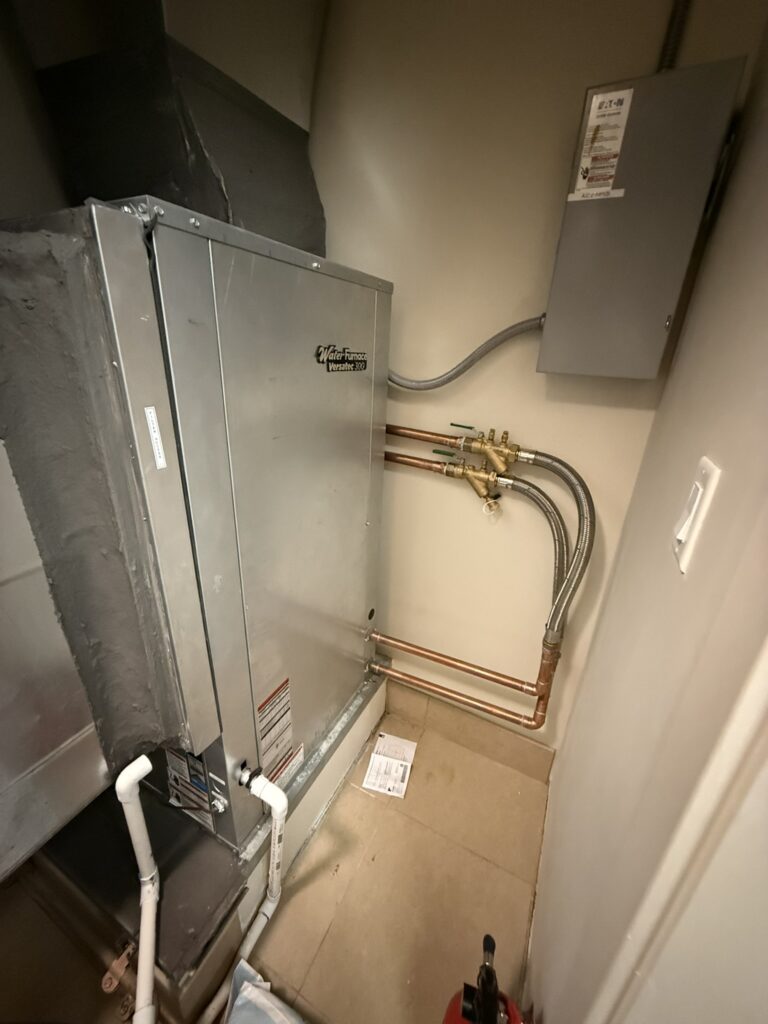
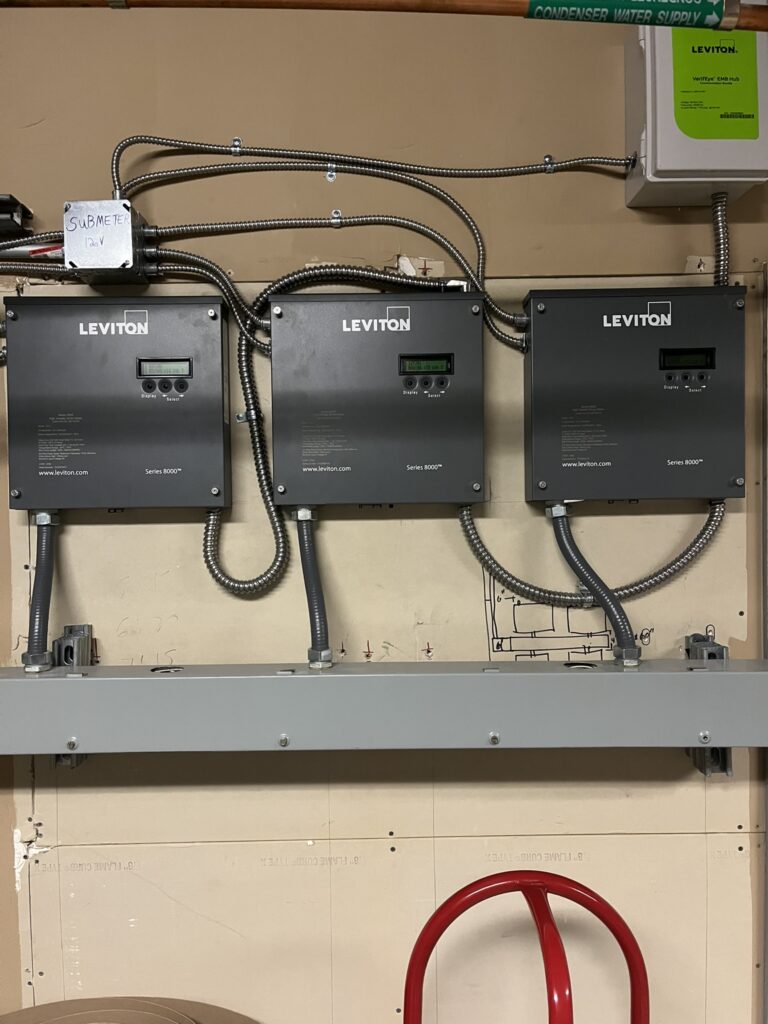
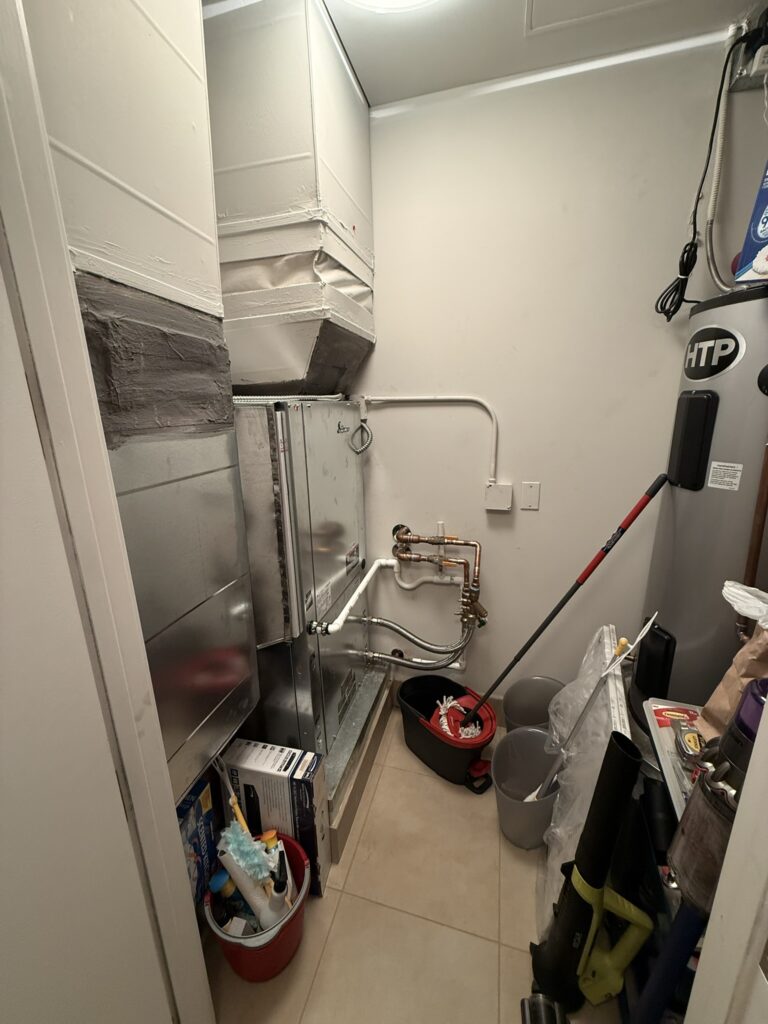
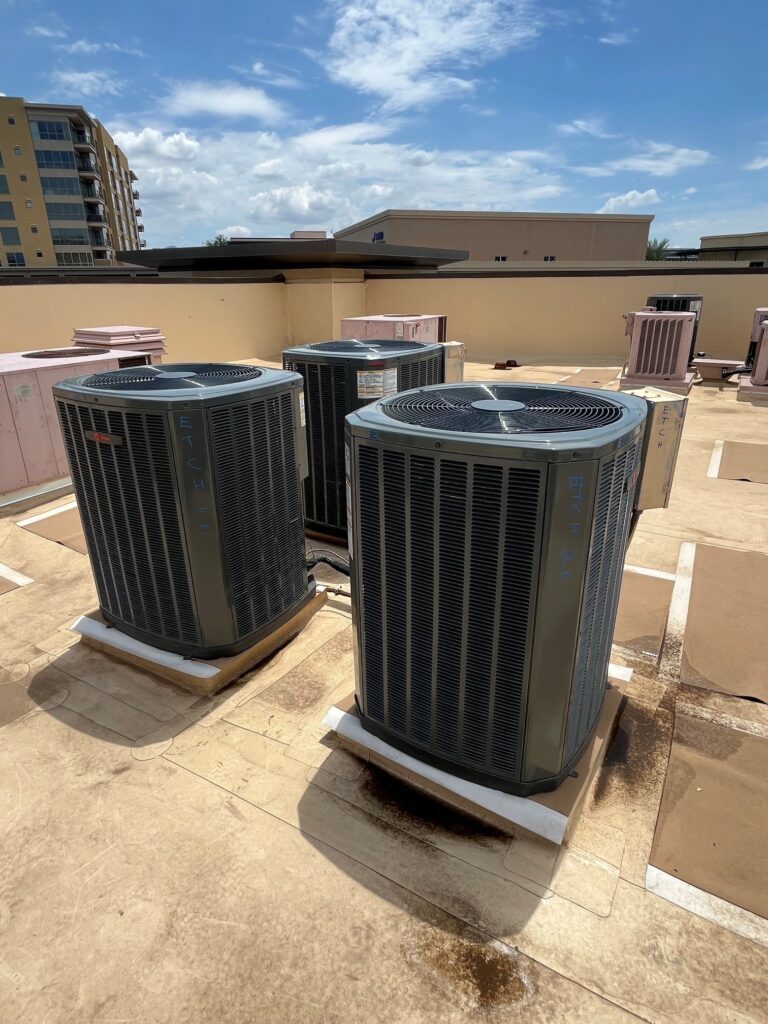
Convenience store HVAC service has to account for two loads at once: customer comfort at the front counter and refrigeration heat that never stops dumping into the space. In Phoenix and the Valley, that usually means roof RTUs, dirty coils, open-case equipment, walk-ins, and a store that cannot simply close when cooling slips.
Convenience store HVAC reality in the Valley
A convenience store is a small building with a heavy mechanical life. The HVAC system is not just making the store pleasant. It is helping protect sales, reduce complaints, and keep the staff from working an entire shift in a hot box.
Constant Traffic & Open Doors
Doors open constantly, customers move in and out fast, leading to significant air exchange.
Internal Heat Loads
Drink cases reject heat into the sales floor, and food programs add sensible and latent load.
Phoenix-Specific HVAC Challenges
Across Phoenix, rooftop package units dominate this work. They sit on 115° roofs, run through long cooling seasons, and take the full hit from monsoon dust. When coils load up, head pressure climbs, run time stretches, and a unit that used to recover after the lunch rush can start losing ground by midafternoon.
Symptoms of HVAC Failure
Customer discomfort.
High humidity or poor airflow.
Reduced efficiency.
Unexpected shutdowns.
Equipment fighting the room.
HVAC and Refrigeration Interplay
Open-case refrigeration changes the comfort math. Cases add heat, pull air across the sales floor, creating cold spots near the case line while the rest of the store feels stale. Walk-in coolers add another layer. A walk-in problem may look like an HVAC problem to the clerk, and an HVAC problem may stress a walk-in that is already working hard. We separate the comfort system from the refrigeration issue, document what we find, and make the repair path clear. For cooler-specific work, see walk-in cooler repair.
The True Cost of HVAC Failure & Service Requirements
The real cost of failure is disruption. A hot store drives complaints, slows staff, makes food service harder, and can turn a minor service issue into a scramble during peak traffic.
Convenience stores need HVAC service that understands:
- Constant occupancy
- Tight access
- Roof equipment
- Refrigeration adjacency
- The fact that most decisions have to be made while the store stays open
Contracts and cost honesty for convenience stores
Commercial HVAC pricing depends on access, equipment type, parts availability, roof conditions, diagnostic time, whether refrigeration is involved, and whether the work has to happen outside normal hours. We handle that with a written process. After an in-person look, we provide a flat-rate written quote with the scope and findings documented. The diagnostic or service-call fee is disclosed at booking and credited toward the repair.
For convenience stores, planned maintenance is less about a binder on a shelf and more about preventing avoidable summer calls. Filter cadence, coil cleaning, electrical inspection, blower checks, drain review, thermostat/control review, and RTU condition notes all help the owner or manager make decisions before the sales floor is hot. See commercial HVAC maintenance contracts for the maintenance side of that conversation.
Our workmanship is backed by a 2-YEAR written workmanship warranty and held to the AZ ROC Minimum Workmanship Standards. Repair parts carry a 1-YEAR manufacturer parts warranty. Financing is available, and we offer a 10% military, veteran & first responder discount. Yeti Pros is veteran-owned & operated. AZ ROC #363372 · ROC #363423.
If this reads like your building, the practical first step is a walkthrough — request one here — or start with the specific problem in front of you via walk-in cooler repair. Either way, the findings land in writing.
How we run service for convenience stores
We start by treating the store as an operating site, not an empty mechanical room. Before the visit, we confirm access, roof conditions, equipment symptoms, and any refrigeration complaints that may be related. The diagnostic or service-call fee is disclosed at booking and credited toward the repair. We come to you; Yeti Pros is a service-area business with no public street address. Office hours are Mon-Fri 8-5, and 24/7 emergency service is available when cooling failure cannot wait.
On site, we look at the customer-facing symptoms and the mechanical causes. That means supply and return air, filter condition, coil condition, electrical components, blower operation, thermostat or control behavior, refrigerant-side indicators, and whether the RTU can hold temperature under the store’s real load. If a walk-in, reach-in, or open case is part of the complaint, we identify whether it needs separate refrigeration work or whether the comfort system is contributing to the problem.
Convenience stores often need service that avoids peak traffic. We can plan non-emergency repairs around delivery windows, food-prep blocks, and slower parts of the day when practical. After-hours work is handled honestly: it can reduce disruption, but some diagnostics need the building under load, and some roof work is safer and more productive in daylight. We explain that before scheduling so the manager is not surprised.
Every repair starts with an in-person look and a flat-rate written quote. Scopes and findings are documented in writing, including the equipment affected, the likely cause, and the work proposed. We do not write vague ticket language that leaves an owner guessing what was actually done. For recurring stores, planned maintenance matters because a dirty RTU or weak capacitor can become a hot-sales-floor problem quickly in the Valley. Maintenance cadence depends on equipment condition, roof exposure, store hours, filter load, and refrigeration heat in the space.
Yeti Pros is veteran-owned & operated. AZ ROC #363372 · ROC #363423. Call (480) 771-3252 as text for service scheduling, emergency response, or written-scope repair work.
Convenience store HVAC decision table
Store staff usually report what they can feel: warm counter, hot aisles, sweating vents, or a cooler that seems to be struggling. The table below translates common convenience-store complaints into the kind of HVAC priority we would attach after confirming conditions on site.
| Symptom or situation | What it usually means | Priority |
|---|---|---|
| Sales floor warms up every afternoon | RTU capacity, coil condition, refrigerant-side performance, or controls may not be keeping up with Phoenix heat and refrigeration load. | High during cooling season |
| Counter area is hot but drink aisle is cold | Air distribution, case airflow, thermostat placement, or zoning may be making one part of the store drive the whole system. | Medium to high |
| RTU trips or short cycles after monsoon storms | Dust, electrical stress, clogged coils, blocked drain conditions, or weak components may be showing up under heavy load. | High if the store is losing temperature |
| Walk-in complaints arrive with store comfort complaints | The refrigeration system may have its own issue, but hot indoor conditions can make the cooler work harder. | High when product temperature is affected |
| Tenant or franchise inspection paperwork needs support | Service history, findings, filter changes, and repair scopes should be documented clearly for the file. | Plan before the deadline |
Phoenix-metro specifics for convenience stores
In the Phoenix-metro market, the roof tells a big part of the story. Convenience-store RTUs often sit above a compact sales floor with limited shade, long run hours, and little forgiveness when one unit underperforms.
Factors Affecting RTU Performance
Maintenance Issues
A serviceable unit can still struggle if the coil is packed with dust, the blower is dirty, or the economizer and dampers are not behaving.
High Roof Temperatures
Roof temperature changes how electrical parts age, how refrigerant pressures behave, and how long a unit can run before a weak component fails.
Monsoon Season Challenges
Dust can blanket condenser coils, adding load.
Filters can plug faster, reducing airflow.
Roof drains or curb details can create service complications. Equipment runs hotter and longer post-storm.
Post-storm checks are useful for stores with past summer failures or in high-dust corridors.
Business-Critical Cooling
Cooling is business-critical most of the year. Convenience stores are often open around the clock, meaning no easy cool-down period. The building carries heat from lighting, customers, coolers, food equipment, and glass. If the RTU falls behind, recovery can take longer than expected even after a repair. We look at the whole operating pattern, not just a single thermostat reading.
Practical Mechanical Waste
Utility demand realities matter. We don’t give energy guarantees, but we do look for practical mechanical waste:
Coils packed with dust.
Restricted airflow.
Underperforming motors.
Malfunctioning contactors.
Clogged filters.
Controls fighting staff habits.
Cannot reject heat.
For Phoenix convenience stores, reducing avoidable strain is usually the most practical HVAC conversation.
Straight answers
Do you service both the store HVAC and walk-in coolers?
Yes, we can evaluate both comfort HVAC and walk-in cooler issues, then document what is happening with each system. A hot sales floor and a struggling walk-in can be connected, but they are not always the same repair. We separate the causes so the written scope is clear.
Can you work while the convenience store stays open?
Often, yes. Many diagnostics and repairs can be done while the store operates, especially RTU work on the roof. We still coordinate access, safety, noise, and customer flow with the manager. If a repair requires shutdown time, we explain the impact before the work is scheduled.
How often should a convenience store in Phoenix get HVAC maintenance?
Maintenance frequency depends on several factors:
- Roof exposure
- Run hours
- Filter load
- Refrigeration heat
- Condition of the RTUs
Stores with long hours and dirty roof conditions usually need a tighter cadence than a low-load office. We document findings so the maintenance schedule is based on the equipment, not guesswork.
Who do we call for emergency cooling service?
Call Yeti Pros at (480) 771-3252. Office hours are Mon-Fri 8-5, and 24/7 emergency service is available. We come to you anywhere in the Phoenix and Valley service area, provide the fee disclosure at booking, and write the repair scope after the in-person diagnostic.
To schedule service, use contact Yeti Pros or call (480) 771-3252.
Permits and inspections
Most repairs are ordinary service work; bigger scopes can involve city permitting. We perform our work to code, pull the permits our scope requires, and put what we did in writing.
What's covered
Workmanship is covered for two full years, in writing, and repair parts carry a 1-year manufacturer parts warranty — we document installs and repairs so those claims stay simple to make
HVAC for Convenience Stores — Phoenix Metro, city by city.
Every city below has its own local page for this industry — local FAQs, utility territory, and dispatch reality included.
Why a licensed HVAC contractor matters.
Commercial HVAC, industry by industry.
Every major brand, serviced and installed.

Phoenix metro: Most days a tech is already working somewhere in the Valley, so same-day appointments happen when the schedule allows. After-hours emergencies are dispatched when a licensed tech is available — a real person answers and tells you the ETA on the call.
Call (480) 771-3252Request an estimate.
No pressure, no door knockers. We look at the HVAC system, tell you what it needs (and what it doesn’t), and put the number in writing.