
Phoenix Metro
HVAC for Pharmacies in Phoenix.
- (520) 556-8929
- Serving the entire Phoenix metro — we come to you
- Office: Mon–Fri 8:00 AM – 5:00 PM · 24/7 emergency service
- 2-year workmanship warranty · 1-year parts warranty
- Veteran-owned & operated · residential + commercial
- 23 five-star Google reviews
Commercial jobs we have documented.
Photos from our own commercial projects — equipment we installed, in buildings we serviced.
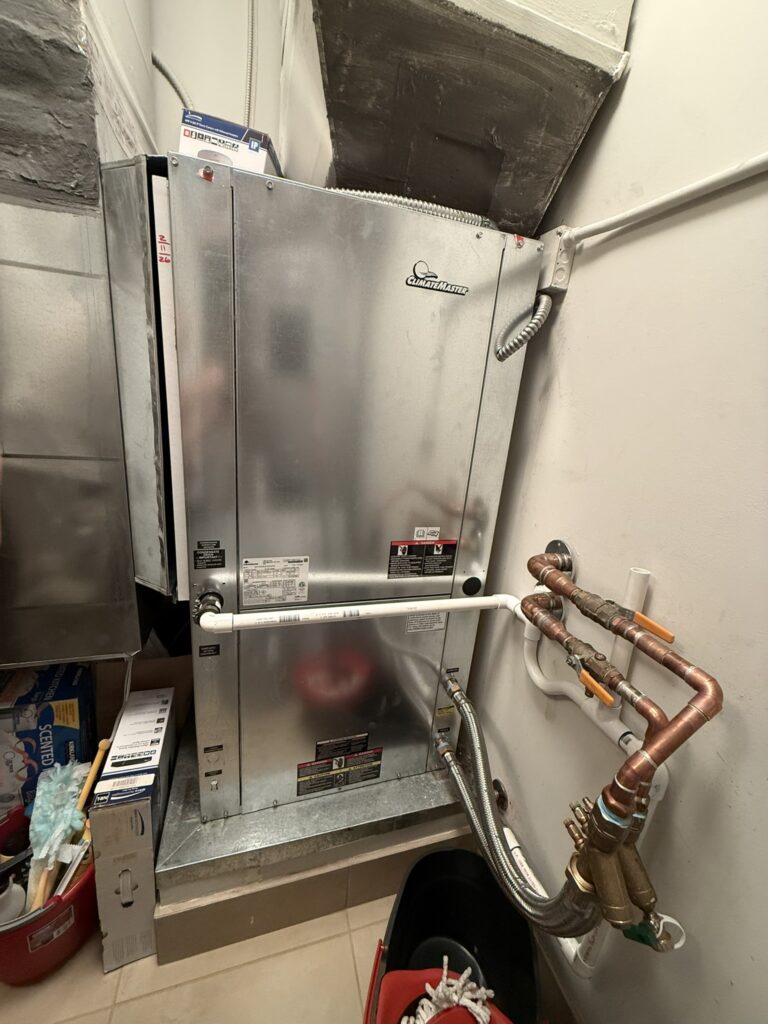
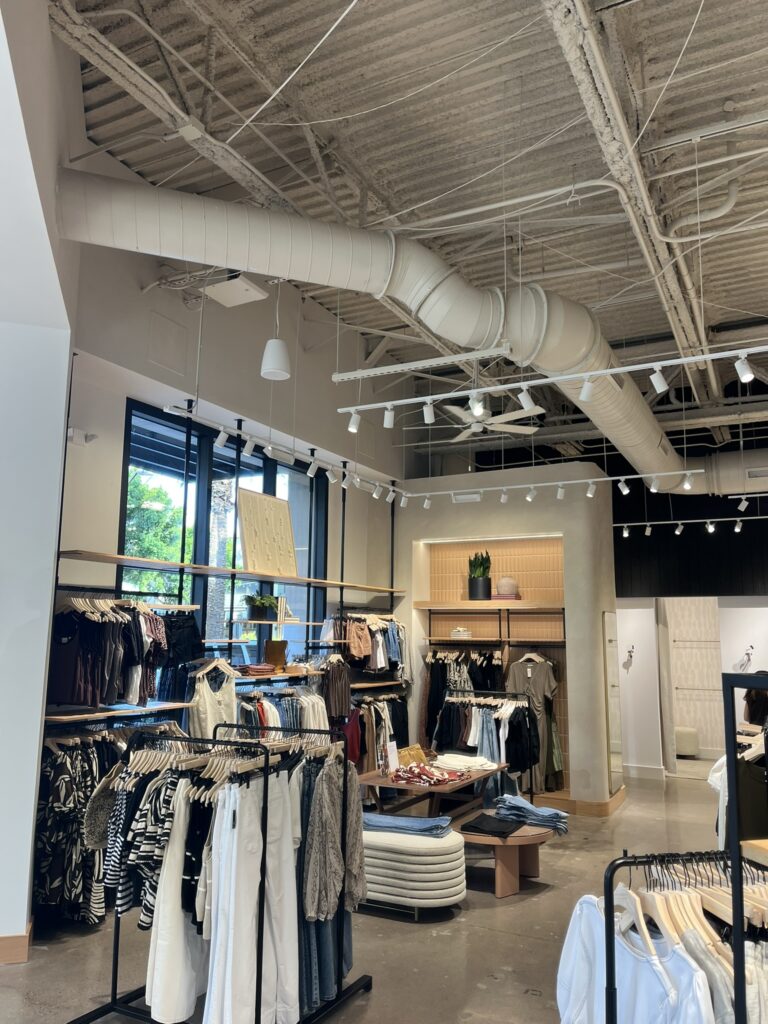
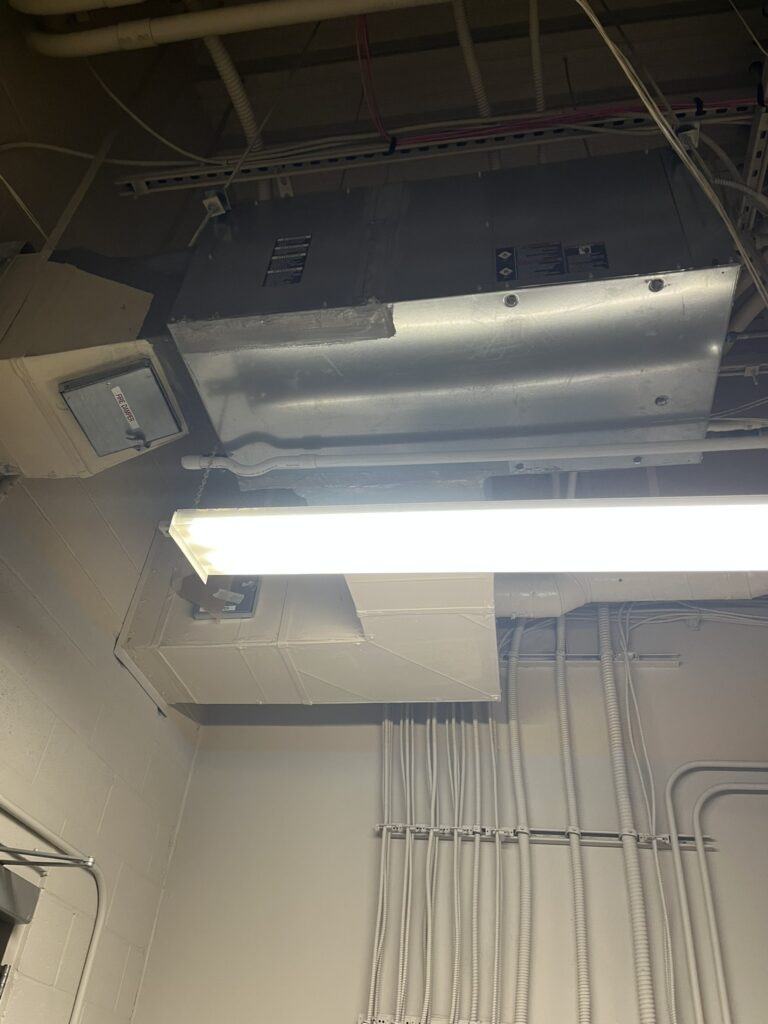
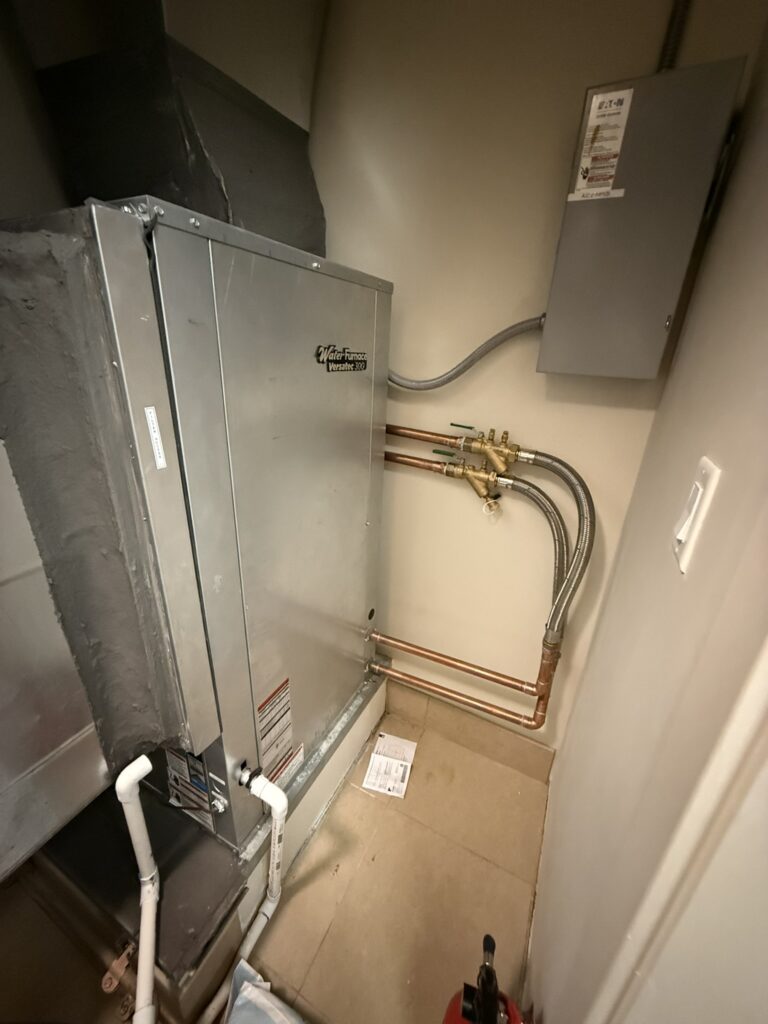
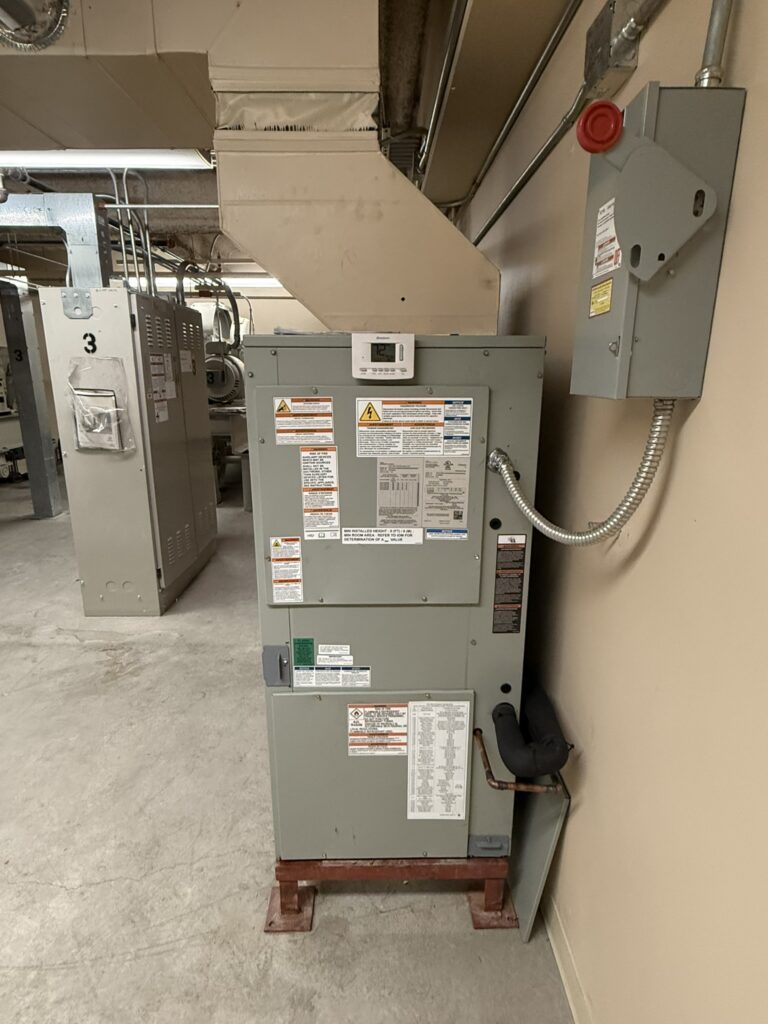
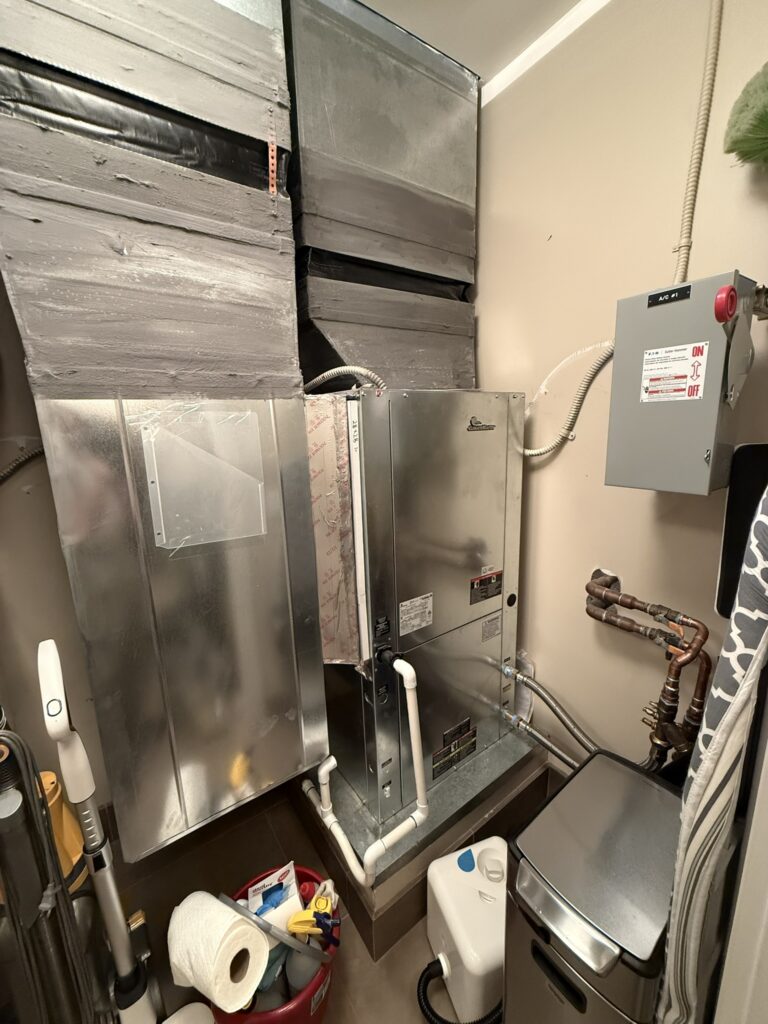
Pharmacy HVAC in Phoenix protects something most storefronts never carry: inventory that becomes unsellable — and reportable — the moment the room runs too warm. Behind the counter of every Valley pharmacy sits stock with defined storage temperatures, refrigerated medications with cold-chain obligations, and a pharmacist-in-charge whose license rides on the logs. Yeti Pros is a veteran-owned commercial HVAC contractor that keeps the equipment side of that equation honest: cooling that holds range through a 115-degree August, refrigeration support for the units guarding the most valuable shelf in the store, and a live human answering (520) 556-8929 around the clock. Arizona ROC #363372 · ROC #363423, covering the entire Phoenix metro.
The room itself is a storage condition
Drug storage standards define ambient temperature ranges for good reason, and in Phoenix the building’s cooling system is the only thing standing between your stock and a summer that treats those ranges as a dare.
An Excursion Isn’t Just Discomfort
An excursion isn’t a comfort event — it’s quarantined product.
Calls to manufacturers about stability.
Potential replacement costs.
Documentation your pharmacist-in-charge has to generate and then stand behind.
Your Pharmacist’s Role
The compliance program, the monitoring, and every excursion decision belong to your pharmacist.
Our Role: The Machinery
The machinery that determines whether any of that paperwork ever needs writing belongs to us.
Summer afternoons stack the deck against you: solar gain peaks, grid strain peaks, and a cooling system’s capacity margin is thinnest at exactly the hour the stockroom needs it most. We service the cooling equipment behind dispensing areas and stockrooms with that stake squarely in view, and we treat “the pharmacy is at 79 and climbing” as exactly the emergency it is.
Cold chain: your monitoring, our machinery
Vaccines, insulins, biologics — the refrigerated shelf concentrates enormous value into a few cubic feet, and its protection comes in layers.
Your Layer: Monitoring
Data loggers, alarms, excursion protocols, the log book your board inspector reads.
Our Layer: Mechanical Reliability
Commercial refrigeration service for the units themselves, plus the part that routinely gets missed — the room around them.
A medication refrigerator exhausting into a 95-degree back room runs flat-out all summer, ages years in months, and fails on the hottest weekend of the year, which is statistically when everything in this town fails. Keeping the space cool keeps the refrigeration honest. We handle both, and we’re happy to sit in when you evaluate monitoring or alarm options — without ever pretending that side of the ledger is ours.
Compounding areas: a light touch and an honest one
Pharmacies that compound operate under specialized facility and ventilation standards, and those standards come with their own engineers, certifiers, and consultants — we are not that, and we won’t posture otherwise.
Where We Genuinely Help
- The general HVAC serving the suite
- The heat loads that make controlled spaces harder to hold
- Standard commercial exhaust and makeup-air equipment
- Coordination with whoever does govern your compounding environment, so routine mechanical work never blindsides a space someone else has certified
The retail floor and the drive-thru lane
The front of the store still has to sell. A retail floor sitting at 82 degrees empties out in July, and the staff working full shifts in it fare worse than the customers who leave.
Drive-thru lanes add their own physics: a service window opening every ninety seconds onto 115-degree air is a permanent hole in the building envelope, and the workstation beside it needs cooling sized for that heat gain, not for the floor plan’s average.
We balance for the load as it actually exists — sun-side glazing, door traffic, window cycles, the compressor heat thrown off by the refrigeration lineup — because comfort at the counter isn’t vanity; it’s throughput, accuracy, and staff retention. The sales floor also carries its own temperature-labeled stock — OTC medications age in heat much the way prescription inventory does, just with less paperwork attached.
Excursion clocks run on weekends
Temperature problems have never respected a Monday-through-Friday vendor. A rooftop unit dies Friday night; by Saturday afternoon the stockroom crosses its ceiling, and every hour after that gets more expensive and harder to explain to a wholesaler or an inspector. Our emergency response runs 24/7 with a person answering, and inventory-at-risk calls rank near the top of our triage alongside occupied medical facilities.
Two Habits to Build Before an Emergency
Know your excursion protocol cold.
Know your equipment’s condition in advance — the second habit is what preventive maintenance exists for, and it quietly deletes most of these weekends before they occur.
Monsoon adds its own twist: a Saturday-night power blink can leave a compressor sitting on lockout with nobody in the building to notice until the pharmacist opens Sunday morning.
Pharmacy HVAC built for Phoenix conditions
Valley pharmacies live mostly in strip retail and standalone pads, riding rooftop units through cooling seasons that begin in March and refuse to quit until October.
Common Phoenix HVAC Failures
Capacitors and compressors surrender under peak load.
Haboobs pack condenser coils with dust in a single evening.
Monsoon surges execute control boards mid-storm.
For an ordinary shop, that’s an uncomfortable day; for a pharmacy, it’s an inventory event with a paper trail.
The Phoenix Playbook
Pre-summer coil cleaning and electrical testing.
Post-storm equipment checks.
Frank equipment-age conversations before the unit that was “probably fine” meets the weekend that proves otherwise.
Coverage runs metro-wide: Phoenix, Scottsdale, Mesa, Chandler, Gilbert, Glendale, Tempe, Peoria, and out to the edges of the Valley.
Chains and independents, same discipline
Regional Chain Needs
One vendor, uniform records across stores, and fleet-level reporting an operations director can actually use.
Independent Pharmacy Needs
A contractor who answers the phone and doesn’t treat a single storefront as too small to matter.
Our Consistent Service Structure
- Written maintenance agreements itemizing tasks and schedule
- Per-visit condition reports that file cleanly alongside your own compliance documentation
- One accountable number to call regardless of store count
How we do business with pharmacy operators
Our Business Practices
Every repair is quoted flat-rate in writing before wrenches turn.
Diagnostic fees are disclosed up front and credited toward work you approve.
Refrigerant handling is performed by EPA 608-certified technicians and documented to match — relevant to both your rooftop equipment and your refrigeration.
The Arizona ROC’s Minimum Workmanship Standards are our contractual floor, our warranty stands above them, and the full commercial scope — from rooftop replacement to refrigeration to exhaust — is laid out at commercial HVAC services.
Yeti Pros is veteran-owned and operated; the habits that made deployments work — show up, finish the job, document everything — are the same ones that make service relationships work. Pharmacy teams include their share of veterans and military spouses, and our 10% military, veteran & first responder discount is waiting for their own homes on the residential side.
Questions Phoenix pharmacies ask us
Are you responsible for our storage-temperature compliance?
No — compliance, monitoring, and excursion decisions belong to your pharmacist-in-charge, and we’d distrust any contractor claiming otherwise. Our responsibility is the machinery: cooling and refrigeration that reliably hold the ranges your program requires, serviced and documented so the equipment is never the reason a log goes bad.
Do you repair the medication refrigerators themselves?
We service commercial refrigeration equipment, and just as importantly we keep the rooms housing it from overheating — a refrigerator fighting a hot back room fails young. Your data loggers, alarms, and storage protocols stay under your control; we’re glad to talk through options when you’re evaluating them.
Our stockroom creeps past its range every July afternoon. Can that be fixed?
Almost always. Afternoon creep usually traces to a real mechanical cause — lost capacity from fouled coils, a marginal charge, duct problems, or a space that was never load-calculated after shelving and equipment moved in. We diagnose against measurements and quote the fix flat-rate in writing.
What happens when we call on a Saturday with product at risk?
A person answers, asks what’s at risk and where you are, and gives you an arrival window based on actual truck positions. Inventory-at-risk calls rank near the top of our triage. If a part has a lead time, you hear it immediately, along with practical options for protecting product across the gap.
Do you handle compounding-area ventilation?
Only the honest slice: standard commercial HVAC and exhaust equipment around those spaces, coordinated with the specialists who certify your compounding environment. The specialized standards governing those rooms belong to your consultants and engineers, and we stay in our lane there.
Can you cover a multi-store chain under one agreement?
Yes — identical scope at every location, one operations contact, and consolidated condition reporting so you can see across the fleet which stores carry aging equipment and which are solid for another season.
What does a pharmacy maintenance visit actually include?
Coil cleaning, electrical and capacitor testing, refrigerant charge verification, condensate protection, filter service, controls checks, and a written condition report per unit — timed before summer so weak components get replaced on your schedule rather than failing on the weekend’s.
Can you assess a space before we sign a lease or remodel?
Yes. We’ll evaluate the existing equipment’s age, capacity, and condition against a pharmacy’s real loads — stockroom, refrigeration lineup, drive-thru — and put it in writing, so you negotiate the lease knowing what the roof is actually worth.
Keep every degree where the label says it belongs. Call (520) 556-8929 — live answer 24/7, across the whole Phoenix metro.
Permits and inspections
Most repairs are ordinary service work; bigger scopes can involve city permitting. We perform our work to code, pull the permits our scope requires, and put what we did in writing.
What's covered
Workmanship is covered for two full years, in writing, and repair parts carry a 1-year manufacturer parts warranty — we document installs and repairs so those claims stay simple to make
Why a licensed HVAC contractor matters.
Commercial HVAC, industry by industry.
Every major brand, serviced and installed.


Phoenix metro: Most days a tech is already working somewhere in the Valley, so same-day appointments happen when the schedule allows. After-hours emergencies are dispatched when a licensed tech is available — a real person answers and tells you the ETA on the call.
Call (520) 556-8929Request an estimate.
No pressure, no door knockers. We look at the HVAC system, tell you what it needs (and what it doesn’t), and put the number in writing.