
Phoenix Metro
HVAC for Law Firms in Phoenix.
- (520) 556-8929
- Serving the entire Phoenix metro — we come to you
- Office: Mon–Fri 8:00 AM – 5:00 PM · 24/7 emergency service
- 2-year workmanship warranty · 1-year parts warranty
- Veteran-owned & operated · residential + commercial
- 23 five-star Google reviews
Commercial jobs we have documented.
Photos from our own commercial projects — equipment we installed, in buildings we serviced.
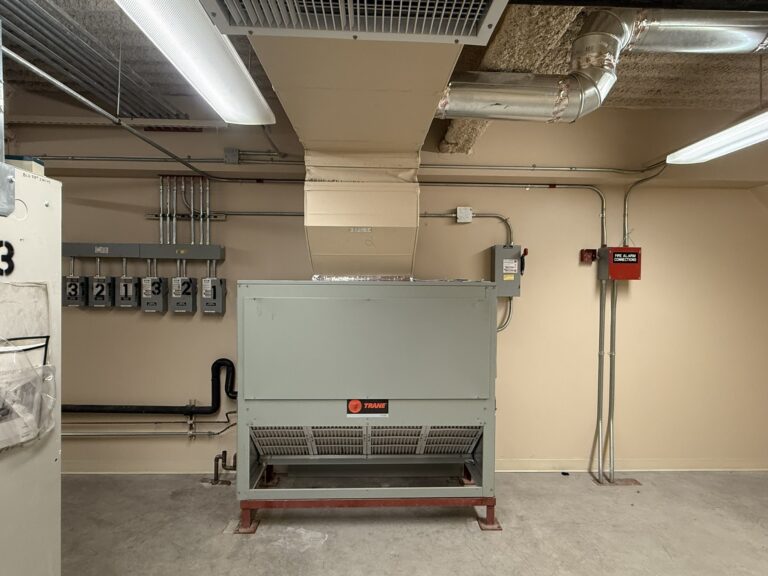
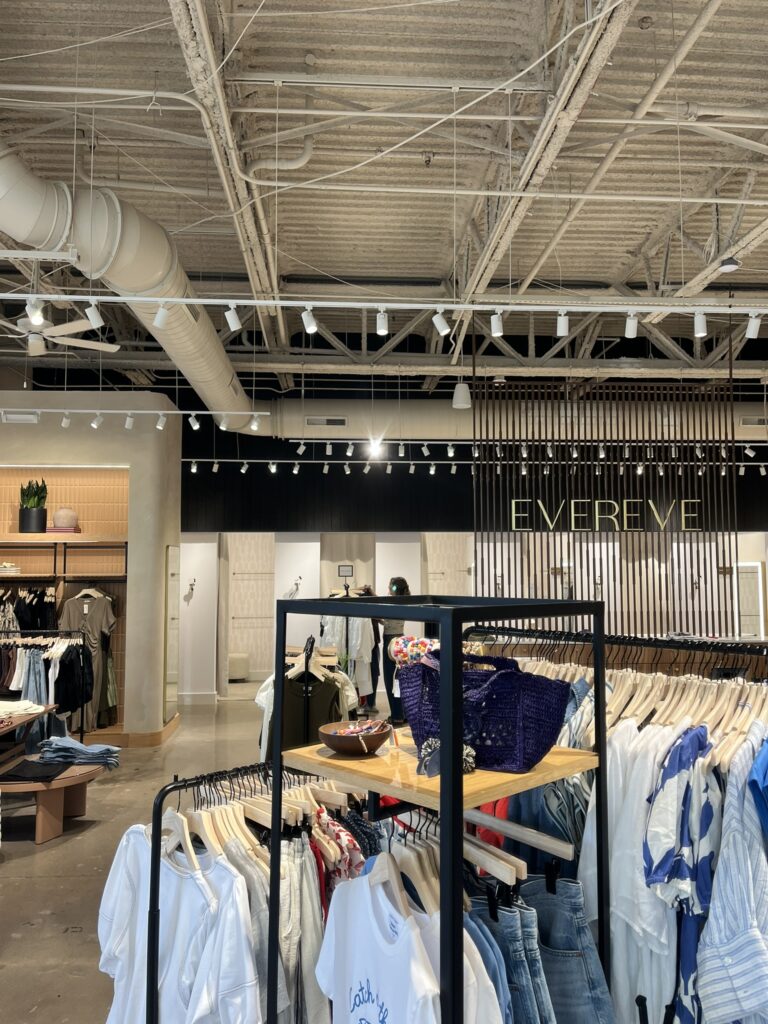
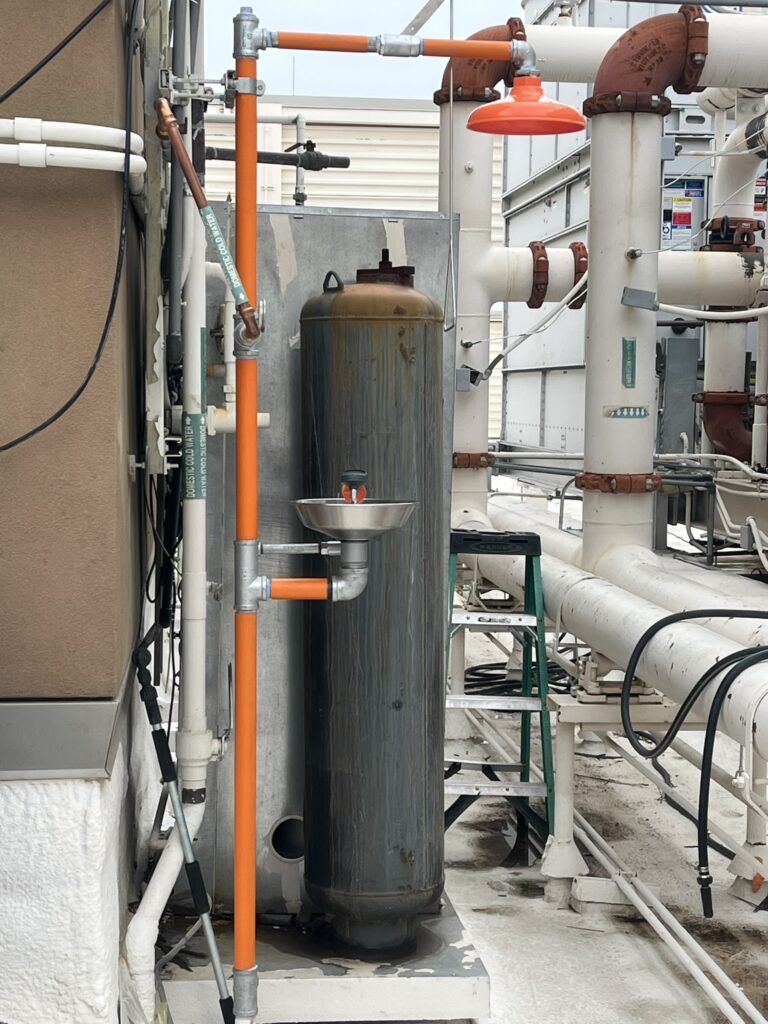
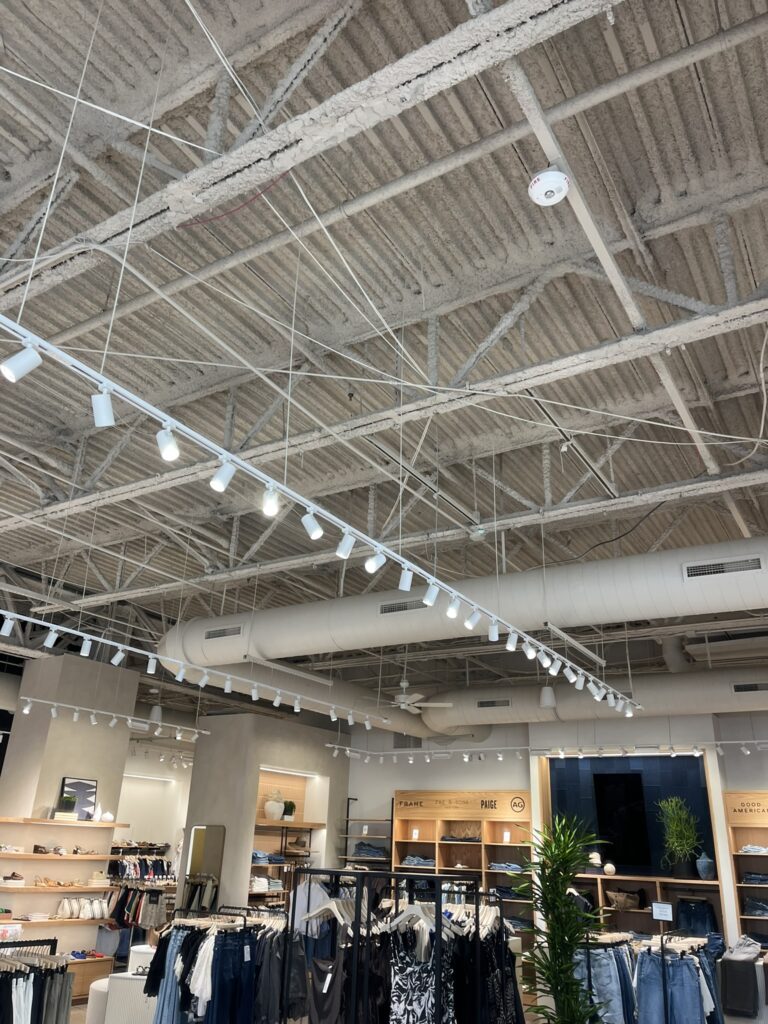
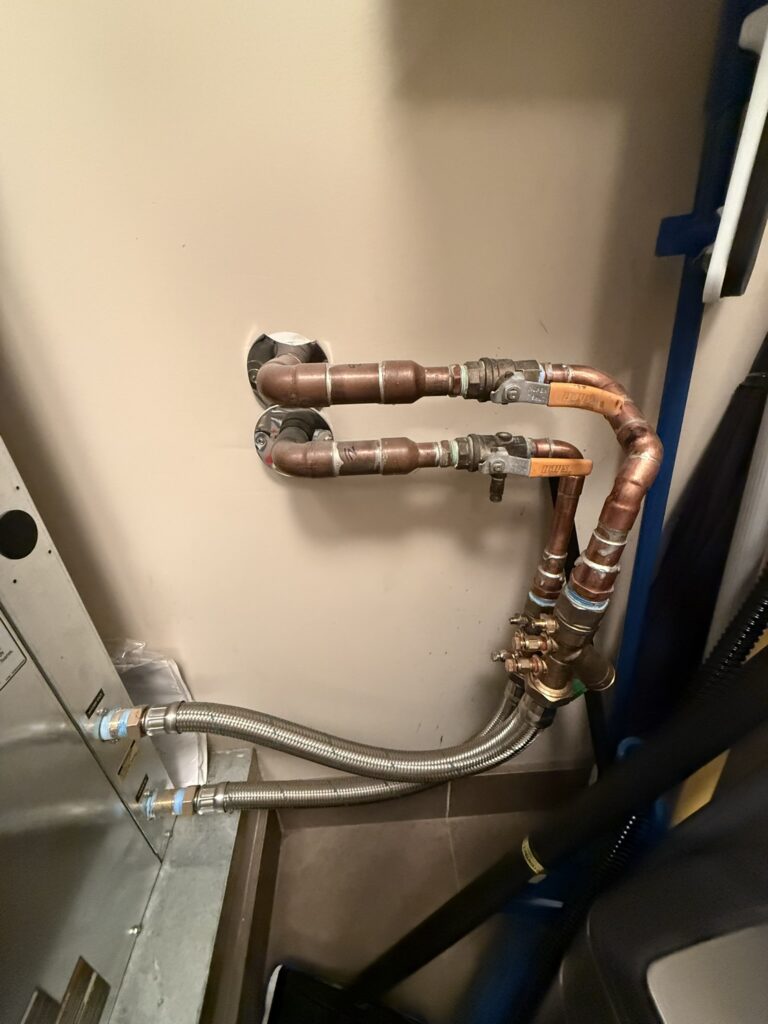
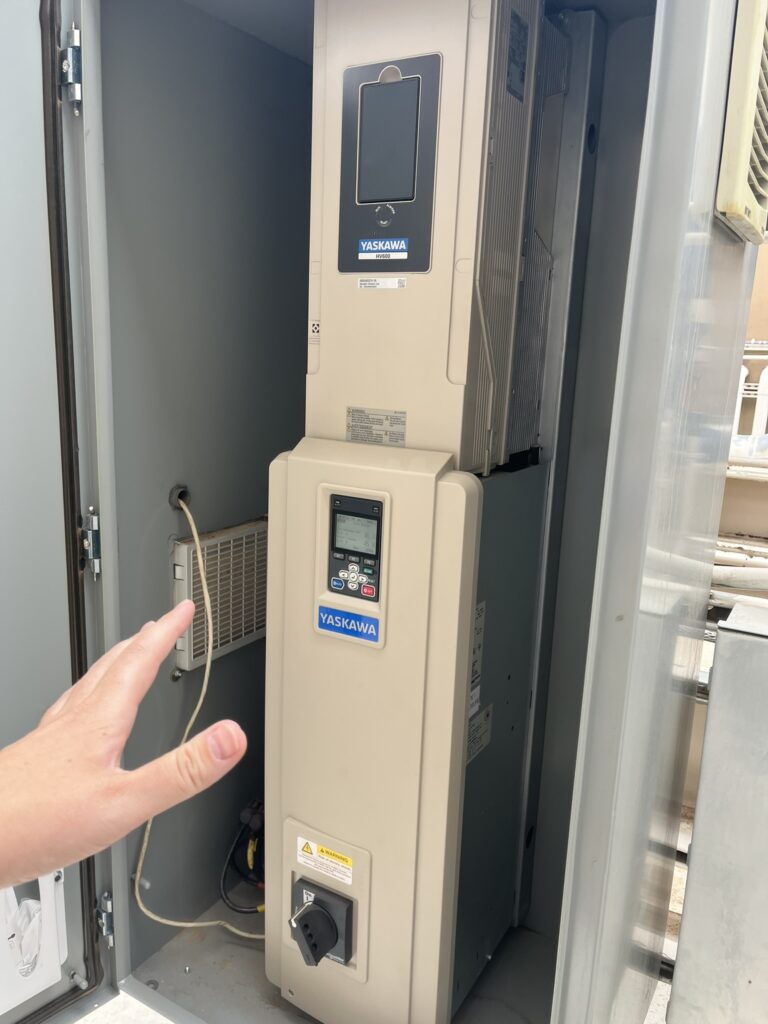
A law firm’s product is concentrated attention, billed in six-minute increments, which makes the office environment a production input rather than a perk. When the suite runs warm, associates drift, clients notice, and the only thing keeping perfect time is the meter.
Yeti Pros provides law firm HVAC service across the Phoenix metro, addressing:
- Conference-room load problems
- Server and records protection
- Suite-level comfort inside shared buildings
- Work scheduled around a calendar full of depositions
The company is veteran-owned and operated, licensed under ROC #363372 · ROC #363423, and the phone reaches a real person any hour of any day: (520) 556-8929.
The billable hour has a room temperature
Run the arithmetic that firm administrators already know in their bones. A floor of timekeepers producing at their rates generates more revenue per hour than almost any other use of commercial square footage in Phoenix.
Impact of Heat
A stuffy 79°F afternoon quietly taxes every one of those hours. Nobody logs “distracted by heat” on a timesheet; it shows up instead as slower drafting, shorter concentration, and people relocating to the coffee shop downstairs.
Impact of Cold
An over-chilled office where everyone hides space heaters under desks is its own productivity and safety problem.
Against that backdrop, keeping the mechanical systems healthy is one of the few overhead items that defends revenue directly. Stable, quiet, zone-correct comfort is the target — and it’s an engineering outcome, not a thermostat setting.
Depositions load a conference room like nothing else
A conference room that idles comfortably with four people fails predictably with fourteen. A deposition brings both parties’ counsel, the witness, a court reporter, sometimes a videographer with lights and gear, laptops on every seat — and holds them there for six or eight hours with the door shut. That’s several times the heat load the room’s zone was balanced for, sustained all day. The classic result is the 2 p.m. deposition where every jacket comes off and someone asks to go off the record while building maintenance is located.
Our Structural Solutions for Conference Rooms:
Verifying the zone that serves the room, correcting return-air paths so heat actually leaves.
Adding capacity or dedicated equipment where the room’s use has outgrown its design.
Setting pre-cool schedules for calendared all-day events.
Clients judge the room while you present the case
Reception and the main conference room are a firm’s stage, and clients paying Phoenix market rates read the environment as evidence of how the firm handles details.
Positive Impression
Comfortable, quiet, well-kept space supports the fee conversation.
Negative Impression
A room that’s visibly too warm, or loud enough that the air handling intrudes on a settlement discussion, argues against it.
That’s why client-facing zones sit in the priority tier of a firm’s service plan with us: those rooms get inspected first, tuned first, and scheduled around most carefully.
Paper and servers: two things a firm cannot lose
Law firms concentrate two heat-and-humidity-sensitive asset classes in back-of-suite rooms nobody visits until something is wrong.
Records Rooms
Hold originals — wills, exhibits, closed files under retention obligations — packed at a density that traps heat and rides out humidity swings poorly.
Server Rooms
Hold the document management and practice systems the firm cannot bill without, frequently in converted closets cooled only when the base building happens to be running.
We service the equipment protecting both under commercial AC repair, and where a server or records room has simply outgrown hand-me-down cooling, we design and install dedicated systems that hold temperature and humidity around the clock, independent of what the rest of the building is doing.
Quiet operation where thinking is the work
In most businesses a rattling diffuser is an annoyance; in a law office it’s a tax on the product. Mechanical problems with cognitive costs include:
A common source of intrusive noise.
Noise above a corner office.
Through an undersized grille outside the managing partner’s door.
Every one of these is diagnosable. We trace noise complaints to their physical causes — air velocity, balance, worn bearings, unsupported duct — and correct them, rather than shrugging that buildings make noise. Our site conduct follows the same rule: technicians who understand they’re working next to people drafting testimony, not on an empty roof.
Who actually controls your thermostat?
In a Class A tower on a full-service lease, the honest answer is often: not you. The landlord’s engineer runs the base building, your suite receives whatever the floor’s zoning delivers, and after-hours air costs extra under lease terms many firms never negotiated. We work both sides of that line:
For Owners & Triple-Net Leases
We simply run the whole system for firms that own their building or hold a triple-net lease.
For Tenants
We handle everything inside the demising walls — supplemental cooling, zone corrections, server room systems — and we document conditions with actual temperature data, which converts “our suite is always hot” from a complaint the building can wave off into a factual record the property manager has to answer. Firms heading into lease renewal have found that data useful in more ways than one.
Firm schedules don’t end at six
Trial prep runs weekends. Closings run late. The base building’s air, meanwhile, often shuts down at 6 p.m. sharp, leaving a war room full of attorneys in a tower slowly warming around them.
Solving After-Hours HVAC Problems:
Systems the firm controls itself.
Correctly configured override arrangements with building management.
Honest advice on which approach costs less over the life of a lease.
Our own scheduling mirrors yours: preventive maintenance lands on the days your calendar allows, never during a mediation, and our emergency line answers at 2 a.m. on the Sunday before trial, because that is precisely when a server room chooses to quit.
From downtown towers to Camelback Corridor suites
Phoenix legal practice spreads across very different buildings, each carrying its own mechanical personality:
High-rise space near the downtown courts, with central plants and landlord politics.
Along the Camelback Corridor and in the Biltmore area.
Law offices in older Scottsdale and Mesa neighborhoods, with residential-grade equipment straining under office loads.
Single-story plazas in Chandler and Gilbert, often with aging rooftop package units.
We service all of it across the metro, and our recommendations follow the building your firm actually occupies rather than a generic office playbook.
How we work with Phoenix firms
Our commercial HVAC practice fits the way firms buy, offering:
The service fee is stated when you book and credited against the approved repair. Every repair is quoted flat-rate in writing before work starts, so there is no open-ended hourly exposure.
Refrigerant work is performed and documented by EPA 608-certified technicians.
Our written warranty is held to the Arizona ROC Minimum Workmanship Standards binding every licensed contractor in the state.
Firms that prefer predictability put their suite on a planned maintenance agreement with priority emergency standing.
Veterans in the firm — attorneys, paralegals, staff — should know our 10% military, veteran & first responder discount applies to HVAC work at their homes, because this company is veteran-owned and operated.
Law firm HVAC questions from Phoenix administrators
Our main conference room overheats during all-day depositions. Fixable?
Almost always. We measure the room’s real load at deposition occupancy, check the zone and return path serving it, and fix the actual constraint — sometimes rebalancing, sometimes added capacity or a dedicated unit. Pre-cooling scheduled around your calendar handles the rest.
We lease in a Class A building. What can you do that the landlord won’t?
Everything inside your suite: supplemental cooling for server and conference rooms, zone corrections, and documented temperature logging that turns complaints into evidence the building engineer has to engage with. We’ll also tell you plainly which problems are the landlord’s to fix, so you’re not paying for their side of the lease.
Our server room depends on building air that stops at night. Options?
A dedicated split system sized to the IT load, running independently around the clock with its own controls. It’s a modest project measured against one weekend outage of your document management system, and we quote it flat-rate in writing for the partnership to approve.
Can work happen without clients ever seeing technicians?
Yes — that’s standard on our firm accounts. Maintenance is scheduled early mornings, evenings, or weekends around your calendar, and anything that must happen during business hours stays out of client-facing areas by plan, not by luck.
What can you do for our records room?
Assess its temperature and humidity conditions, correct airflow so the room participates in the building’s air balance, and where retention obligations justify it, quote dedicated conditioning. Paper is more sensitive to swings than most firms assume until they open an old box.
Cooling failed during trial week. How fast can you respond?
Call the line — a live person answers at any hour and dispatches by severity. An occupied suite failure in summer moves to the front, and maintenance-agreement firms hold priority standing. You get a quote before the repair and verified operation before we leave.
Do maintenance agreements make sense for a single suite?
Yes, scaled to what you actually have — often supplemental units, a server room system, and the zone hardware above your ceiling. The agreement buys scheduled attention on your calendar and priority response when something quits during trial season.
Protecting billable hours starts with the air they happen in. Call (520) 556-8929 for law firm HVAC across the Phoenix metro — veteran-owned, ROC #363372 · ROC #363423.
Permits and inspections
Most repairs are ordinary service work; bigger scopes can involve city permitting. We perform our work to code, pull the permits our scope requires, and put what we did in writing.
What's covered
Workmanship is covered for two full years, in writing, and repair parts carry a 1-year manufacturer parts warranty — we document installs and repairs so those claims stay simple to make
Why a licensed HVAC contractor matters.
Commercial HVAC, industry by industry.
Every major brand, serviced and installed.





Phoenix metro: Most days a tech is already working somewhere in the Valley, so same-day appointments happen when the schedule allows. After-hours emergencies are dispatched when a licensed tech is available — a real person answers and tells you the ETA on the call.
Call (520) 556-8929Request an estimate.
No pressure, no door knockers. We look at the HVAC system, tell you what it needs (and what it doesn’t), and put the number in writing.