
Phoenix Metro
HVAC for Libraries in Phoenix.
- (520) 556-8929
- Serving the entire Phoenix metro — we come to you
- Office: Mon–Fri 8:00 AM – 5:00 PM · 24/7 emergency service
- 2-year workmanship warranty · 1-year parts warranty
- Veteran-owned & operated · residential + commercial
- 23 five-star Google reviews
Commercial jobs we have documented.
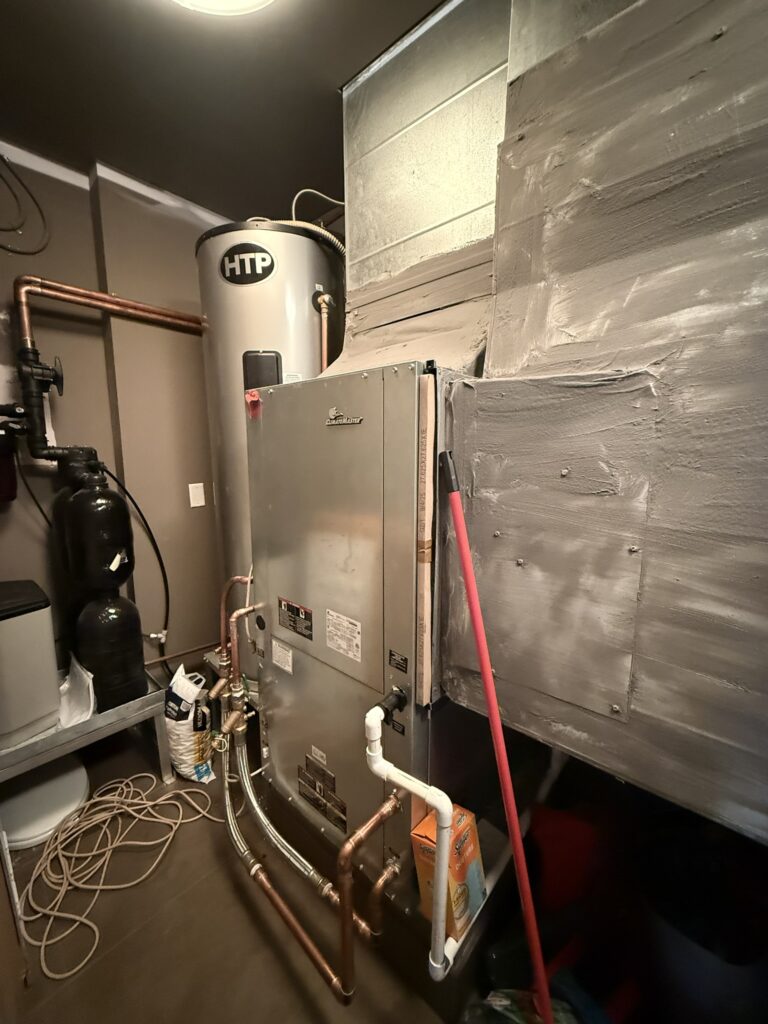
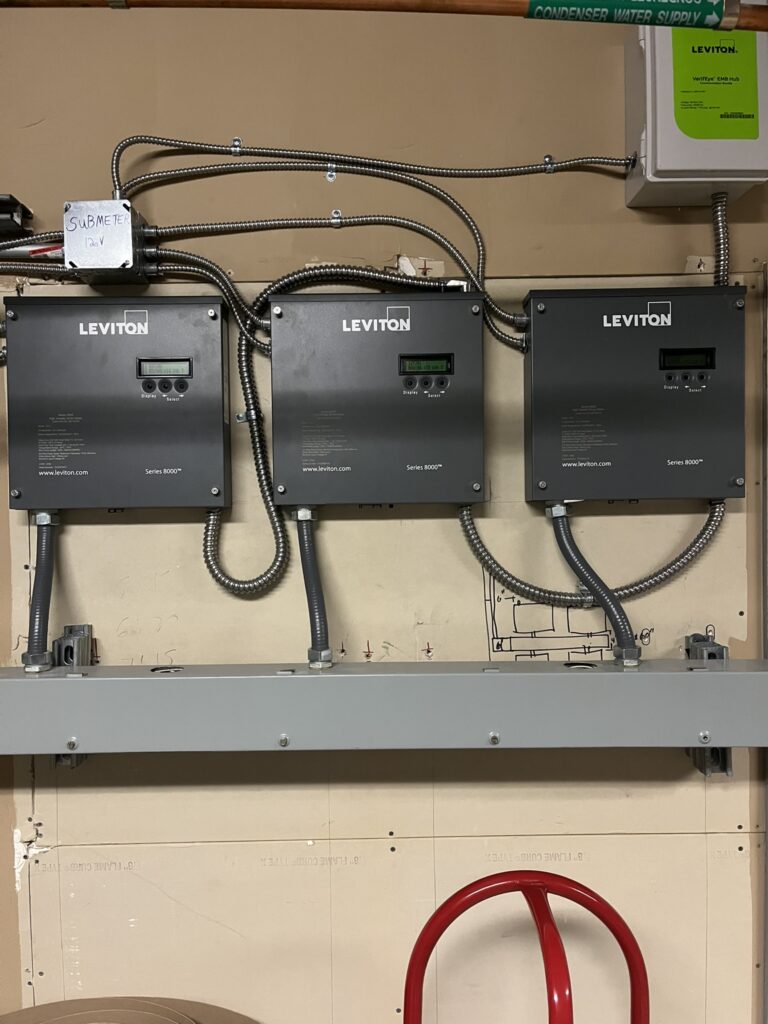
Photos from our own commercial projects — equipment we installed, in buildings we serviced.
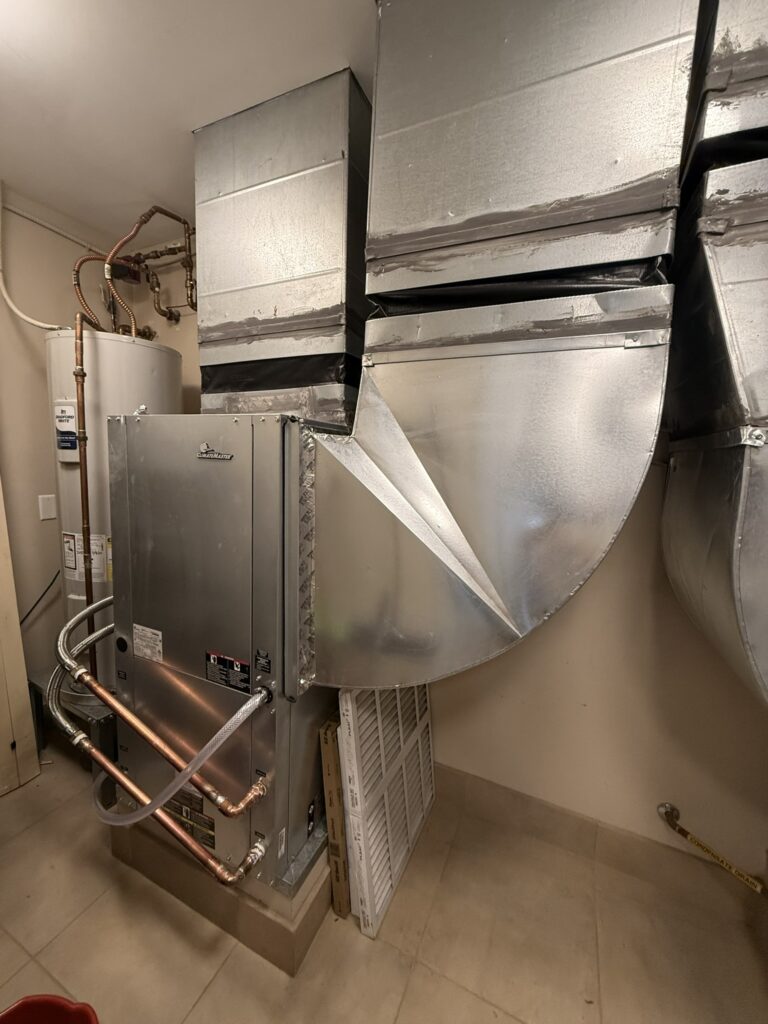
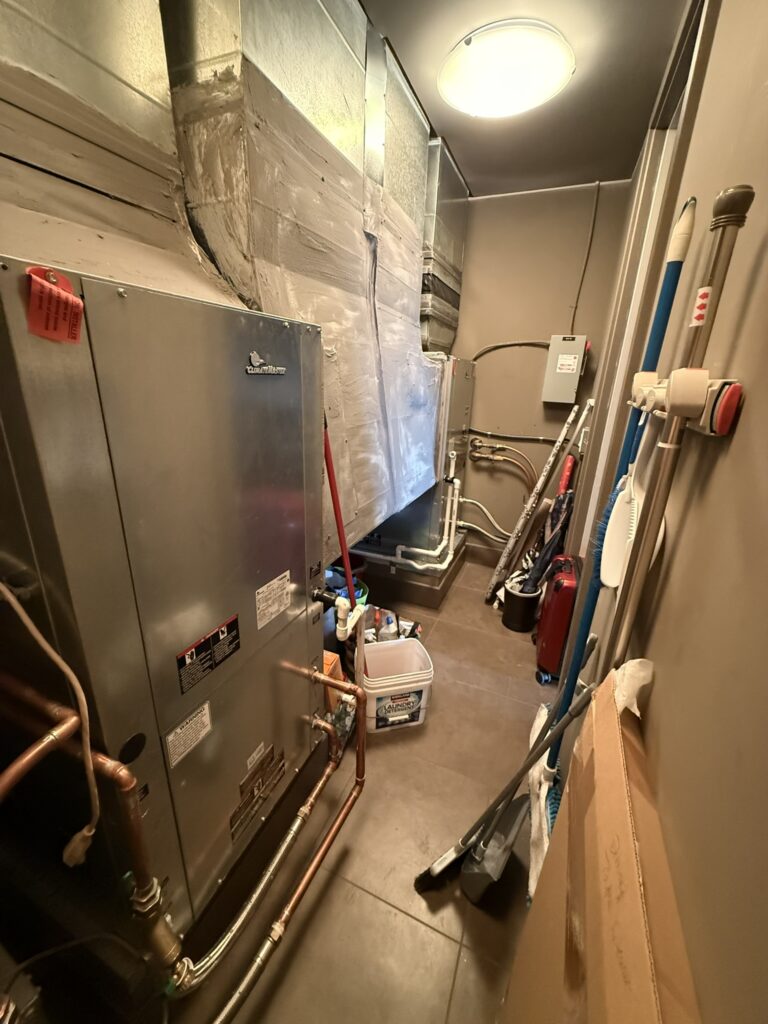
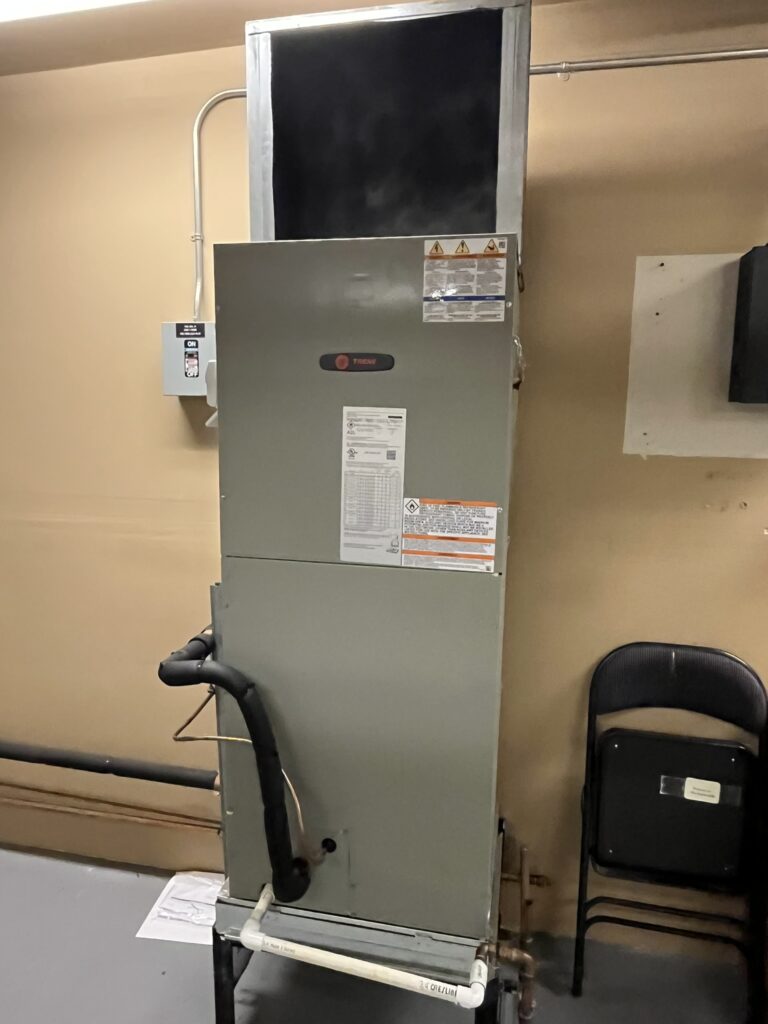
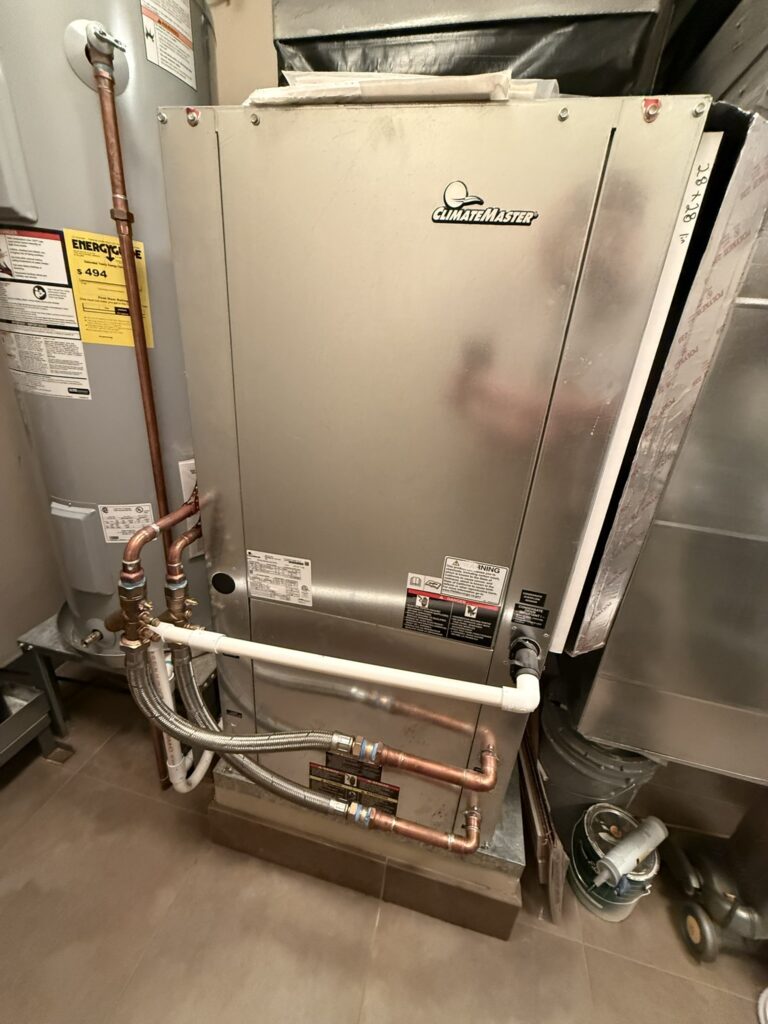
When an excessive-heat warning settles over the Valley, a library becomes more than a building with books in it — it becomes shelter. Cities across the metro list their libraries as official cooling refuges, and the people who walk in during a 115°F stretch aren’t all there to read: they’re seniors on fixed incomes, parents with strollers, workers between shifts, and residents with nowhere cooler to go. Library HVAC in Phoenix carries that civic weight, and Yeti Pros treats it accordingly, because when a library’s cooling fails during a heat emergency, the community loses far more than comfort.
Veteran-owned and operated, licensed under ROC #363372 and ROC #363423. Facilities staff can reach a live person anytime at (520) 556-8929.
A cooling center can’t lose its cooling
Most commercial HVAC failures cost money. A library failure during a heat emergency costs the community its refuge — the one indoor place that asks nothing of the people who need it. Uptime through the hottest weeks isn’t a comfort metric, it’s the mission.
Completed before the first triple-digit stretch.
Identified in advance for aging equipment.
After every major dust storm rolls through.
24/7 emergency response that treats an occupied public cooling site as a priority dispatch.
If a branch appears on a city’s heat-relief list, its equipment should be readier than the forecast.
Collections don’t sweat — they warp
Sustained high temperatures accelerate the aging of paper and bindings.
Humidity swings make covers cockle and media delaminate.
Mold needs only one damp, stagnant corner of the stacks to start a very expensive problem.
Phoenix both helps and hurts here: the desert’s dryness is kind to paper most of the year, but monsoon season sends indoor humidity swinging at exactly the moment cooling systems are most stressed.
Preservation Requirements
- Steady temperature
- Moderated humidity
- Air that keeps moving through the shelving
Local-history rooms and archival collections deserve a tighter zone of their own, and we’ll tell you honestly whether your building can provide one without a major project.
Quiet operation is part of the architecture
A mechanical system can break the promise of silence with rushing diffusers.
A damper that ticks as it modulates.
A rooftop unit thumping awake above the study tables every twenty minutes.
Air delivered at lower velocity through properly sized ducts and outlets.
Equipment staging smoothed so starts don’t slam.
Vibration isolated where machines meet structure.
Grilles rebalanced so no single outlet does loud, whistling work on behalf of the rest.
When we service library buildings, listening is part of the checkout procedure, because in this building type a noise is a defect even when every temperature reading is perfect. Study rooms and quiet floors get walked with the system running at full summer load, because a unit that whispers in March can howl in July.
Occupancy that swings all day long
Near-empty aisles at opening.
A storytime crowd of toddlers and parents by mid-morning.
Fills every table at once.
Packing the meeting room.
Quiet closing hours.
Cooling sized only for the afternoon peak short-cycles through the empty morning; cooling sized for the morning collapses at 3:30 p.m. The equipment has to turn down gracefully and ramp without lag, and the operating schedule has to track how the building actually breathes — especially in summer, when school is out, the heat drives everyone indoors, and the whole tide chart amplifies.
Summer reading programs and cooling-refuge traffic can hold a branch near capacity for hours at a stretch — a load profile the original engineers never had to plan for. We tune staging, controls, and schedules around real usage patterns rather than the original design assumptions.
Program rooms, maker spaces, and computer labs
Banks of public computers running all day.
Where 3D printers and shop equipment generate heat and airborne emissions worth exhausting.
Hold a full audience one evening and nobody for the week after.
Each is a small zoning problem in disguise — a packed program room needs cooling and fresh air on demand, then needs the system to stand down instead of conditioning an empty box for days.
We evaluate these retrofit spaces against what actually happens inside them and recommend ventilation and zoning corrections at a scale a public budget can absorb, sequenced so the disruptive work lands between programming seasons. Computer areas add a steady electronic load that migrates whenever the machines get rearranged, so supply air has to follow the actual floor plan, not the blueprint.
Aging civic buildings meet the budget cycle
Much of the Valley’s library stock lives in municipal buildings that have outlasted at least one full generation of their mechanical equipment — rooftop units at smaller branches, chilled-water plants at larger ones, all of it aging on a public budget that moves in fiscal years.
Every asset we maintain carries a written condition grade and a remaining-life estimate, which turns “the AC is getting old” into a defensible capital request with numbers behind it.
When a replacement is funded, we manage the installation around open hours and produce the closeout documentation procurement offices actually want.
We keep bid-ready condition data on file for the assets we maintain, so a funding window that opens late in the fiscal year doesn’t close before the paperwork catches up.
Planned change-outs in mild months beat emergency ones in July everywhere — but in a public building, they also beat explaining a shuttered cooling center to a city council.
How we work with library and municipal facilities teams
Consistent terms across every Valley jurisdiction.
We disclose the service-call fee ahead of dispatch and credit it against the approved repair.
Quotes are flat-rate and delivered in writing, which matters when spending has to move through an approval chain.
Refrigerant work follows EPA 608 requirements with complete documentation.
Everything we install or repair is held to the Arizona ROC’s Minimum Workmanship Standards.
Buildings on planned maintenance programs get scheduled PM visits timed around programming calendars, plus priority standing when summer emergencies stack up across the metro.
Yeti Pros is a veteran-owned commercial HVAC contractor — public service is familiar territory — and library staff and patrons who served can use our 10% military, veteran & first responder discount for HVAC work at home.
Library HVAC questions Phoenix facilities teams ask
Can you service the building without disrupting open hours?
Yes — most library PM work schedules cleanly around programming: early mornings before opening, closed days, and low-traffic windows. Noisy tasks get planned away from storytime and study hours, and we coordinate with branch staff so no event ends up sharing a wall with a service ladder.
What happens if cooling fails during an excessive-heat warning?
Call immediately — an occupied public cooling site is a priority dispatch, and a live person answers around the clock. You’ll know the trip fee before we roll, receive a written flat-rate quote on-site, and we’ll flag any temporary measures that keep the building usable while parts or repairs are underway.
What temperature and humidity should we hold for the collection?
Stability matters more than any single magic number. Large daily swings do more damage than a slightly warm but steady building, and monsoon humidity spikes are the season to watch closely. If you house archival or local-history materials, we’ll assess whether that area can be zoned tighter than the general stacks.
The reading room diffusers are noisy. Does that mean new equipment?
Rarely. Most airflow noise comes from air forced through undersized or unbalanced openings, and it’s correctable with rebalancing, damper adjustment, or diffuser replacement. If the noise source turns out to be the unit itself, isolation and scheduling fixes come well before any replacement conversation.
Replacement is budgeted two fiscal years out. Can you keep the old system alive until then?
That’s a common assignment for us. We stabilize the asset with tightened maintenance intervals, identify the components most likely to fail and source spares ahead of need, and document condition at every visit — so the capital request stays justified and nobody gets surprised in the meantime.
Can you provide documentation for budget requests and procurement?
Yes — written condition grades, remaining-life estimates, repair histories, and replacement proposals with the scope spelled out line by line. Facilities teams fold our reports into capital planning submissions, and our written flat-rate quotes fit approval workflows that require documented pricing.
Can one contractor handle both small branch rooftop units and a central plant?
Yes. Our technicians work on packaged rooftop equipment and chilled-water systems alike, which matters for library systems that mix both across their buildings — one vendor, one service-record format, and condition reporting that reads the same for every branch in the portfolio.
Why does the building feel muggy during monsoon season even when it’s cool?
Cooling systems dehumidify as a byproduct, and one that’s oversized, short-cycling, or starved for airflow cools the air without wringing it out. Monsoon moisture exposes that weakness. Charge verification, airflow correction, and smarter staging usually restore dehumidification — protecting comfort and collection alike.
Keep the doors open when the Valley needs them most — call (520) 556-8929 for library HVAC across the Phoenix metro. Veteran-owned, ROC #363372 · ROC #363423.
Permits and inspections
Most repairs are ordinary service work; bigger scopes can involve city permitting. We perform our work to code, pull the permits our scope requires, and put what we did in writing.
What's covered
Workmanship is covered for two full years, in writing, and repair parts carry a 1-year manufacturer parts warranty — we document installs and repairs so those claims stay simple to make
Why a licensed HVAC contractor matters.
Commercial HVAC, industry by industry.
Every major brand, serviced and installed.



Phoenix metro: Most days a tech is already working somewhere in the Valley, so same-day appointments happen when the schedule allows. After-hours emergencies are dispatched when a licensed tech is available — a real person answers and tells you the ETA on the call.
Call (520) 556-8929Request an estimate.
No pressure, no door knockers. We look at the HVAC system, tell you what it needs (and what it doesn’t), and put the number in writing.