
Phoenix Metro
HVAC for Data Centers — Phoenix Metro.
- (480) 771-3252
- Serving the entire Phoenix metro — we come to you
- Office: Mon–Fri 8:00 AM – 5:00 PM · 24/7 emergency service
- 2-year workmanship warranty · 1-year parts warranty
- Veteran-owned & operated · residential + commercial
- 66 five-star Google reviews
Commercial jobs we have documented.
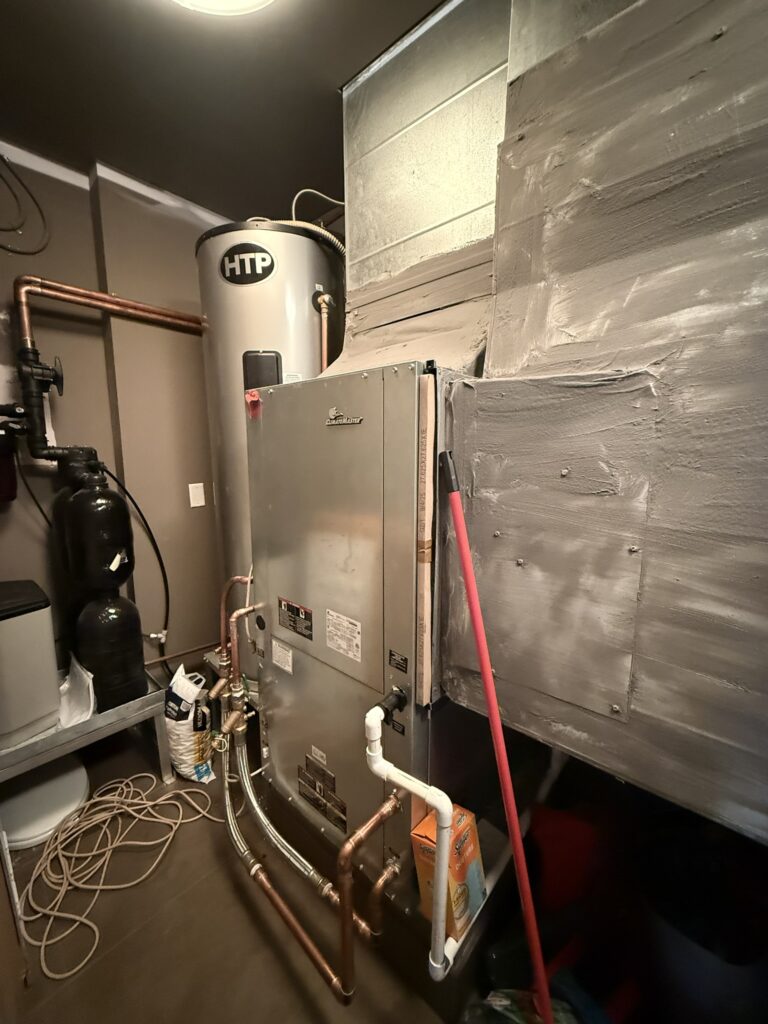
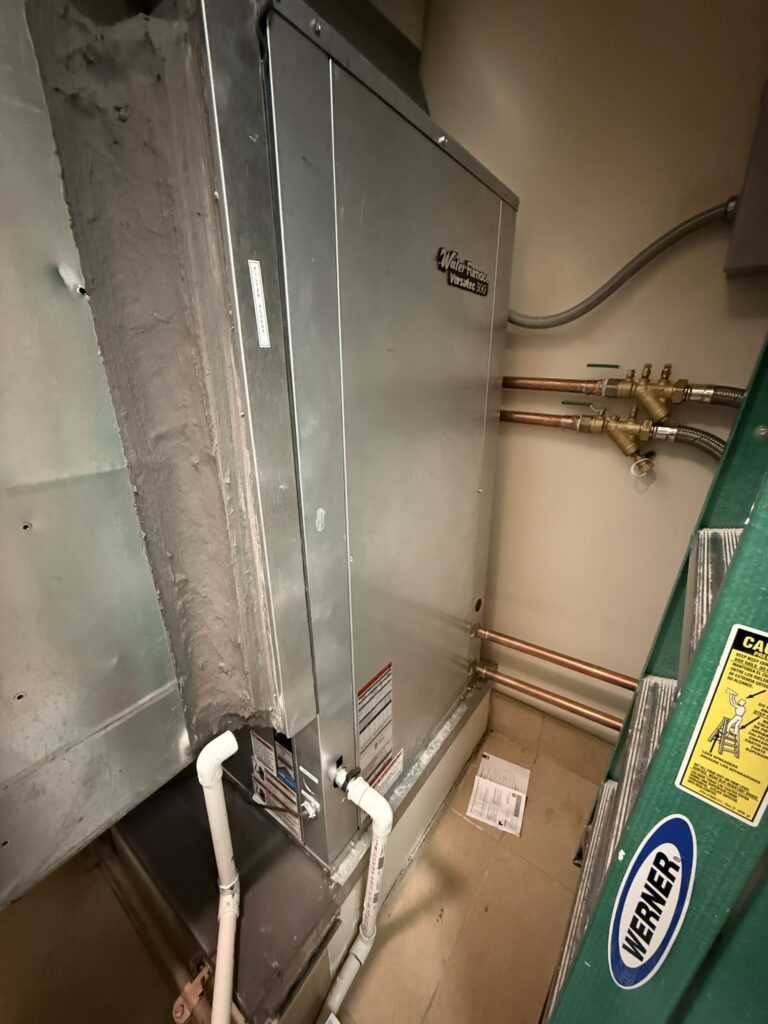
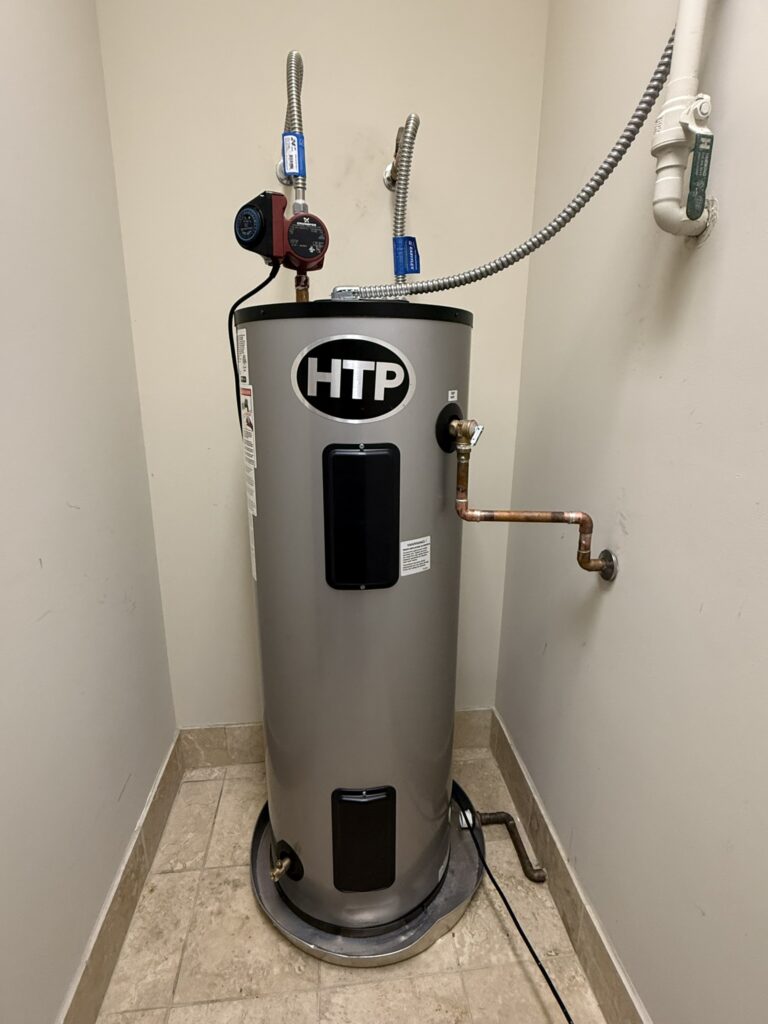
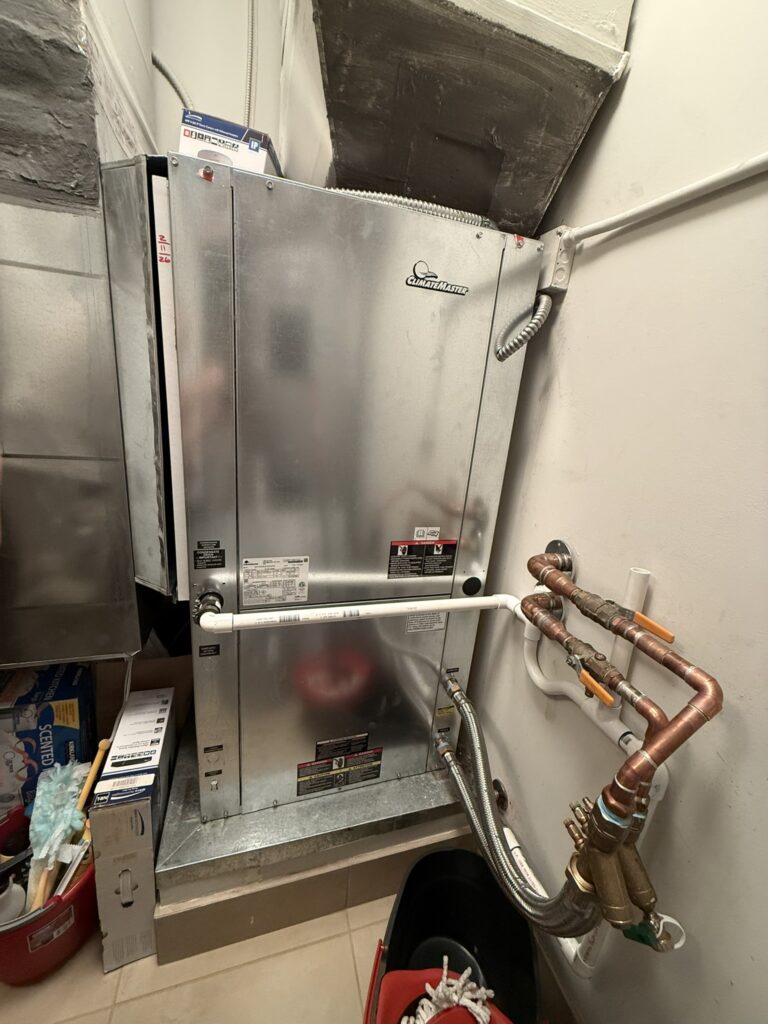
Photos from our own commercial projects — equipment we installed, in buildings we serviced.
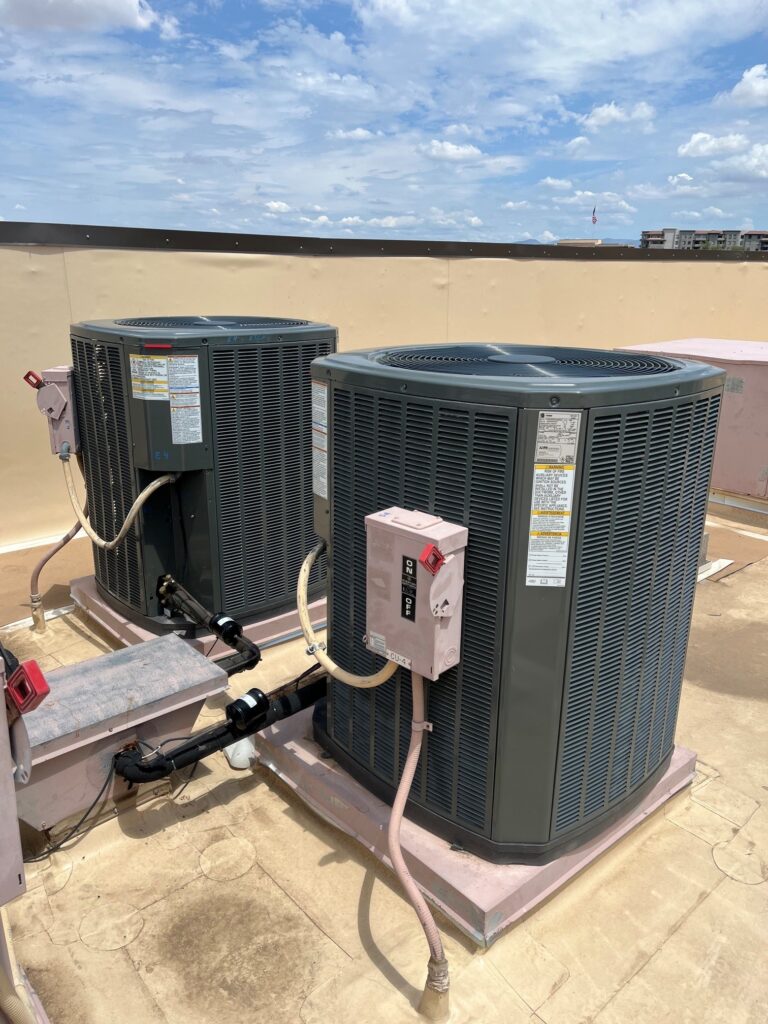
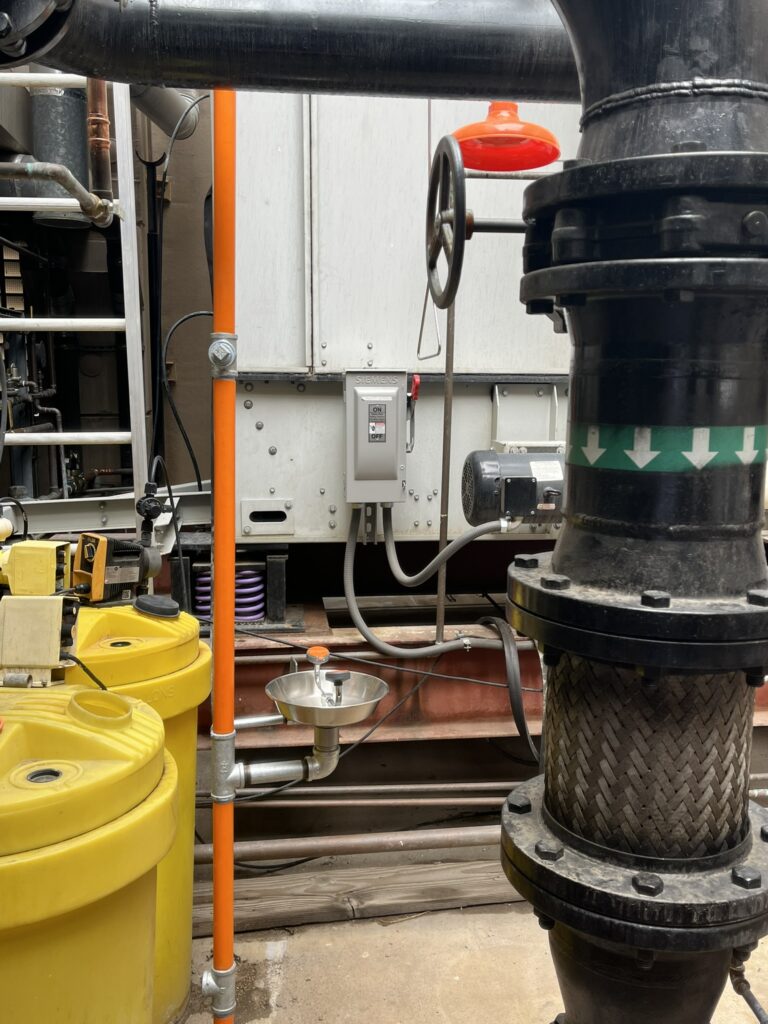
Data center and server room HVAC service is uptime work first and comfort work second. In Phoenix and the Valley, even a small IT room can create a serious heat load, and larger sites often have precision cooling nearby, redundant systems, alarms, and documentation needs that demand a tighter service process.
Data center HVAC reality in the Valley
Dedicated Precision Cooling Facilities
Some Phoenix facilities have dedicated precision cooling systems, containment strategy, monitoring, and redundancy.
Small Business Server Rooms
Others are small business server rooms built inside offices, closets, warehouses, clinics, or operations centers.
Both can fail fast when heat removal falls behind. The common thread is that equipment load does not take a break because the building is closed.
The Phoenix-metro data corridor has made cooling conversations more familiar, but most service calls still come down to clear field work:
What equipment is serving the space.
What alarms or symptoms started the call.
What changed recently.
Whether the affected unit can reject heat under real load.
Rooftop package units may serve adjacent office or support areas. Split systems may serve small server rooms. Dedicated units may have their own controls and maintenance requirements. We stay in our lane as HVAC contractors: we service HVAC equipment, document findings, and coordinate with the site’s team. We do not certify data halls, design redundancy policy, or issue IT uptime rulings.
Heat density changes the urgency. A normal office can drift warm for a while. A server room can climb quickly if:
Airflow is poor.
A condenser coil is dirty.
A split system locks out.
Dust adds another problem in the Valley. Monsoon dust can load outdoor coils, filters, and roof equipment, and a unit that barely survived the previous summer may show its weakness during the next long run.
Failure costs are not limited to comfort complaints. They can include:
Alarms.
Equipment throttling.
Emergency fans.
Staff callouts.
Customer impact.
Management pressure for written answers.
That is why service has to be disciplined. We:
Identify the HVAC issue.
Document the condition.
Explain immediate risk in practical terms.
Separate emergency stabilization from longer-term repair or maintenance planning.
Contracts and cost honesty for data centers
Commercial HVAC pricing for data centers and server rooms depends on:
Equipment type.
Access requirements.
Escort rules.
Roof conditions.
Urgency.
Parts availability.
Controls complexity.
Whether temporary stabilization is part of the visit.
We do not quote blind. The diagnostic or service-call fee is disclosed at booking and credited toward the repair. After an in-person look, we provide a flat-rate written quote with findings and scope documented.
Maintenance planning should fit the heat load and documentation needs. For some sites, that means:
For Support Spaces
RTU maintenance and written condition notes for support spaces.
For Dedicated Server Rooms
Recurring checks on dedicated server-room cooling, coils, filters, drains, electrical components, and control behavior.
A maintenance agreement gives the facility contact a cleaner record for budget cycles and management review. See commercial HVAC maintenance contracts.
Workmanship Warranty
Workmanship is backed by a 2-YEAR written workmanship warranty and held to the AZ ROC Minimum Workmanship Standards.
Repair Parts Warranty
Repair parts carry a 1-YEAR manufacturer parts warranty.
Financing is available. We offer a 10% military, veteran & first responder discount. Veteran-owned & operated. AZ ROC #363372 · ROC #363423.
Most of these relationships start small: a emergency commercial HVAC call that gets handled cleanly, then a maintenance cadence that fits the operation. Request a walkthrough and we will scope it in person, in writing.
How we run service for data centers and server rooms
We begin with access, risk, and communication. Before dispatch, we ask:
What space is affected.
What equipment serves it.
Whether alarms are active.
Whether temporary cooling is already in use.
Who on site can approve access.
The diagnostic or service-call fee is disclosed at booking and credited toward the repair. Yeti Pros is a service-area business, so we come to you. Office hours are Mon-Fri 8-5, with 24/7 emergency service for cooling failures that cannot wait.
On site, we work with the facility contact or IT lead to understand constraints before touching equipment. Some areas have:
Access logs.
Escorts.
Dust controls.
Noise limits.
Equipment-clearance rules.
We respect those procedures while keeping the HVAC work concrete. Diagnostics may include:
Airflow.
Filter condition.
Coil condition.
Refrigerant-side indicators.
Condensate drainage.
Electrical components.
Controls.
Alarms visible to HVAC service.
The relationship between the cooling unit and the room’s heat load.
For small business server rooms, we pay close attention to the basics that get missed:
Blocked returns.
Supply air short-circuiting.
Doors left open.
Thermostats outside the room.
Portable units exhausting into the wrong area.
Office HVAC schedules that shut back while servers keep running.
Those are not glamorous issues, but they are common and expensive in practice. For larger facilities, our work often focuses on:
RTUs.
Support-area cooling.
Emergency response.
Maintenance documentation.
Specific repair scopes around equipment we are engaged to service.
After an in-person look, we provide a flat-rate written quote. Scopes and findings are documented in writing, including the affected equipment, observed condition, recommended repair, and any maintenance concerns. Emergency service is handled in two tracks:
Stabilize Cooling Issue
Stabilize the cooling issue when possible.
Write Repair Path
Then write the repair path.
If the situation requires immediate response, see commercial emergency HVAC.
Yeti Pros is veteran-owned & operated. AZ ROC #363372 · ROC #363423. Call (480) 771-3252 for scheduling, emergency dispatch, or planned maintenance discussion.
Data center HVAC decision table
Data center and server room calls need fast triage without guessing. The table below reflects common HVAC situations and the priority we would attach after confirming the actual equipment, alarms, and room conditions.
| Symptom or situation | What it usually means | Priority |
|---|---|---|
| Server room temperature is rising | Cooling capacity, airflow, coil condition, controls, or equipment lockout may be failing to remove the IT load. | Emergency if trend continues |
| Dedicated split system trips during peak heat | Dirty condenser coil, weak electrical component, refrigerant-side issue, or outdoor heat stress may be causing shutdowns. | High to emergency |
| Office RTU affects adjacent IT room | Shared airflow, schedule setbacks, thermostat placement, or poor separation may be exposing IT equipment to comfort-system behavior. | High |
| Condensate or moisture alarm appears | Drainage, pan condition, pump operation, or coil icing may need immediate HVAC review. | High |
| Maintenance records are requested for audit or management review | Service findings, repair scopes, unit condition, and maintenance dates should be documented clearly. | Plan before the deadline |
Phoenix-metro specifics for data centers
Phoenix heat changes the margin for mechanical mistakes. Impacts include:
Rooftop equipment serving support spaces, meet-me rooms, office areas, or small IT rooms may be sitting on a roof that reaches extreme temperatures while the equipment below it runs nonstop.
A condenser coil that looks only moderately dirty in spring can become a summer capacity problem.
Electrical parts age faster under long run times and heat.
Controls that seem acceptable during mild weather can create real trouble once the building is under sustained cooling load.
In the Phoenix-metro area, monsoon dust is not cosmetic. It can:
Reduce heat rejection.
Clog filters.
Hide coil problems until the space starts losing temperature.
For data-adjacent rooms, that delayed symptom matters. The room load may be stable, but the unit’s ability to reject heat outside is getting worse. Maintenance has to treat the outdoor side as seriously as the indoor side.
Server rooms also expose scheduling mistakes:
A building automation or thermostat schedule might set back after normal business hours, while racks, switches, battery backups, and storage equipment keep producing heat.
In a coworking office, that creates complaints.
In a server room, it can create alarms.
We look for those mismatches because they are often fixable without pretending the HVAC system is a data-center design solution.
Utility demand realities are part of the Phoenix conversation, but we keep the discussion mechanical. We do not promise energy outcomes. We identify avoidable strain:
Dirty coils.
Poor airflow.
Weak components.
Bad schedules.
Short-cycling.
Blocked returns.
Units running against incorrect controls.
For facilities teams and IT managers, the useful output is a clear record of what was found and what needs repair, not a vague claim about efficiency.
Straight answers
Do you work on precision cooling systems?
We service HVAC equipment within the scope we are engaged for and document findings clearly. Some precision systems require specific manufacturer procedures, parts, or controls support. We will identify what we can service, what needs specialized support, and what should be coordinated with the facility or IT team.
Can you respond to a server room cooling emergency?
Yes. Yeti Pros offers 24/7 emergency service. Call (480) 771-3252. We ask for the affected space, equipment symptoms, access requirements, and site contact before dispatch so the technician can focus on stabilization, diagnosis, and a written repair path.
What is different about SMB server room HVAC?
Small business server rooms often rely on comfort HVAC, a ductless split, or a setup added after the building was built. Problems often involve schedules, blocked airflow, poor return paths, undersized cooling, or heat exhausting into the wrong area. We check those basics before recommending repair work.
Can you provide service documentation for management?
Yes. Scopes and findings are documented in writing after the in-person inspection. That can include unit condition, observed failure points, completed work, recommended repairs, and maintenance concerns. To schedule service, use contact Yeti Pros or call (480) 771-3252.
Permits and inspections
Most repairs are ordinary service work; bigger scopes can involve city permitting. We perform our work to code, pull the permits our scope requires, and put what we did in writing.
What's covered
Workmanship is covered for two full years, in writing, and repair parts carry a 1-year manufacturer parts warranty — we document installs and repairs so those claims stay simple to make
HVAC for Data Centers — Phoenix Metro, city by city.
Every city below has its own local page for this industry — local FAQs, utility territory, and dispatch reality included.
Why a licensed HVAC contractor matters.
Commercial HVAC, industry by industry.
Every major brand, serviced and installed.

Phoenix metro: Most days a tech is already working somewhere in the Valley, so same-day appointments happen when the schedule allows. After-hours emergencies are dispatched when a licensed tech is available — a real person answers and tells you the ETA on the call.
Call (480) 771-3252Request an estimate.
No pressure, no door knockers. We look at the HVAC system, tell you what it needs (and what it doesn’t), and put the number in writing.