
Phoenix Metro
HVAC for Auto Dealerships — Phoenix Metro.
- (520) 556-8929
- Serving the entire Phoenix metro — we come to you
- Office: Mon–Fri 8:00 AM – 5:00 PM · 24/7 emergency service
- 2-year workmanship warranty · 1-year parts warranty
- Veteran-owned & operated · residential + commercial
- 23 five-star Google reviews
Commercial jobs we have documented.
Photos from our own commercial projects — equipment we installed, in buildings we serviced.
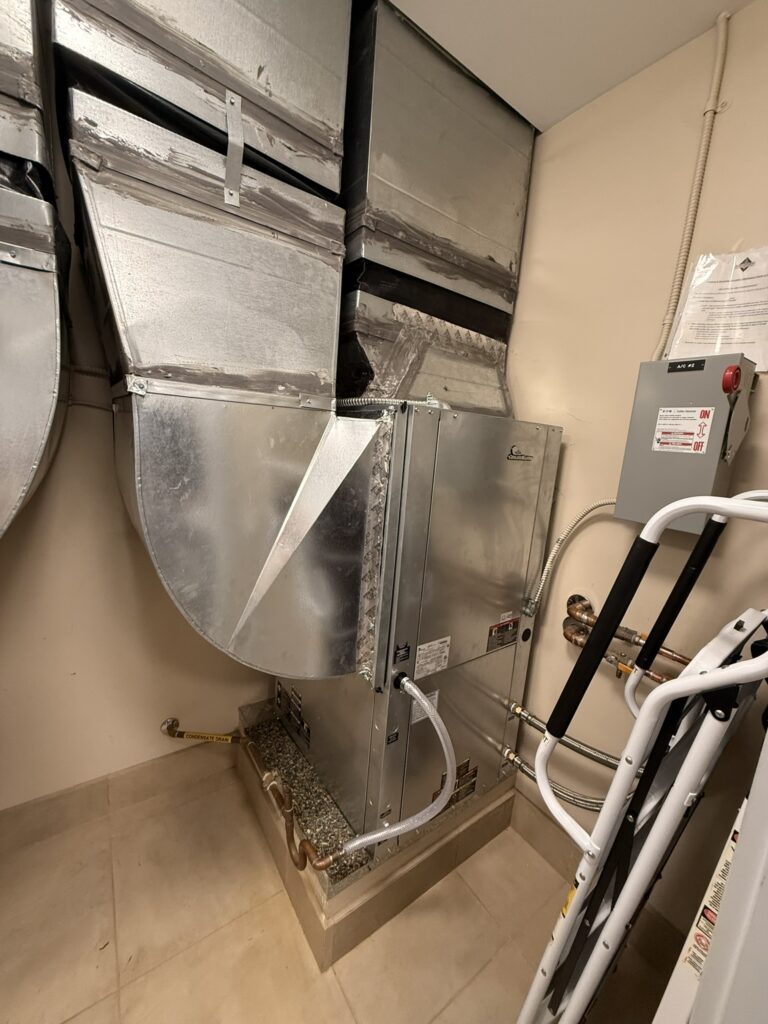
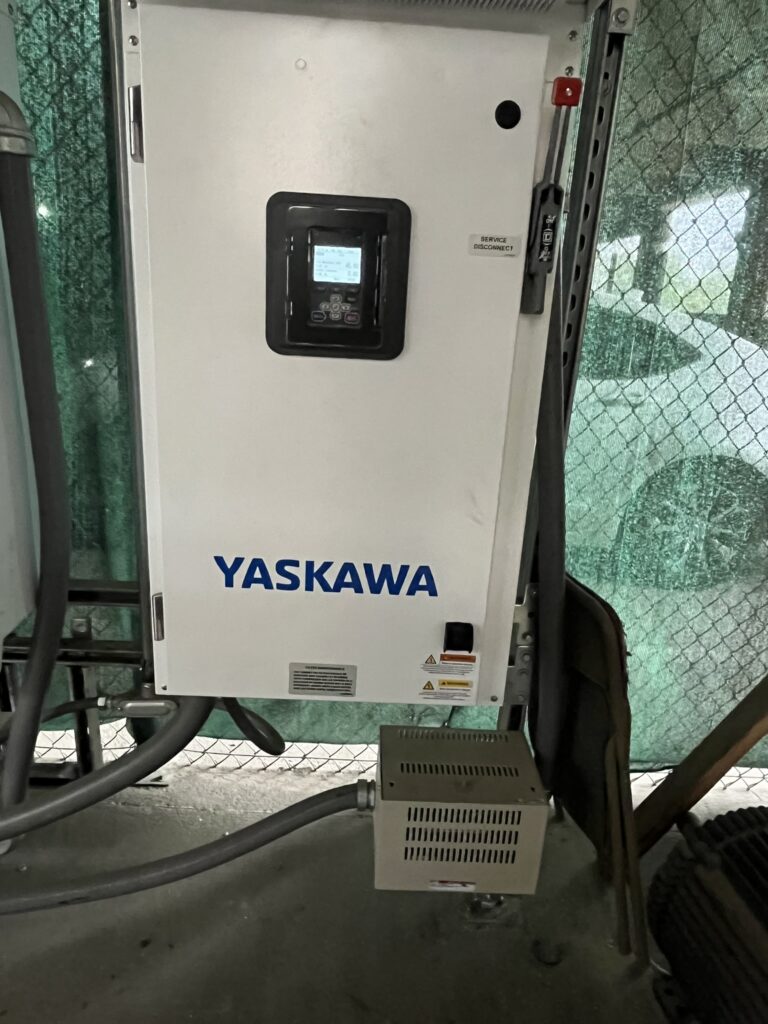
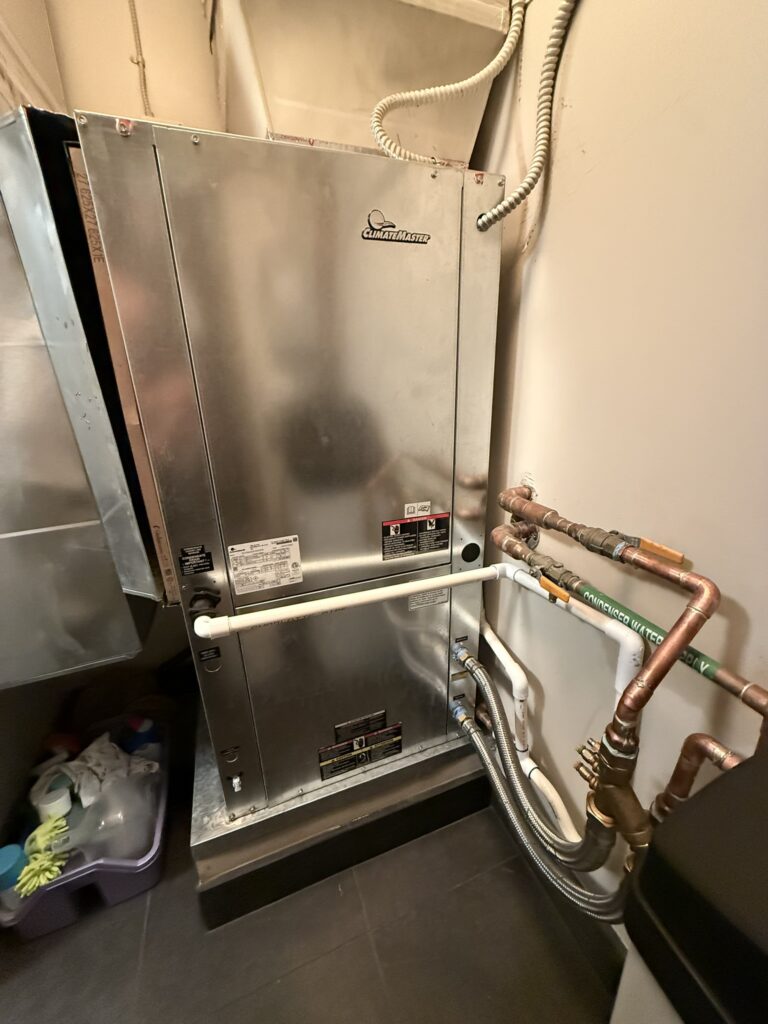
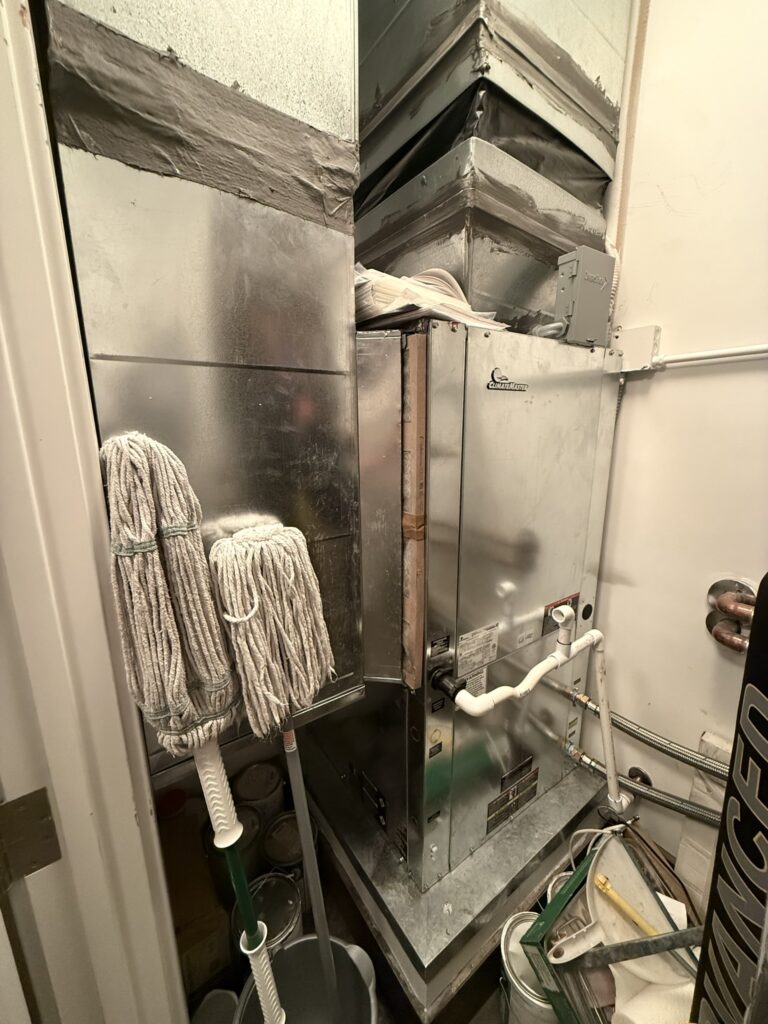
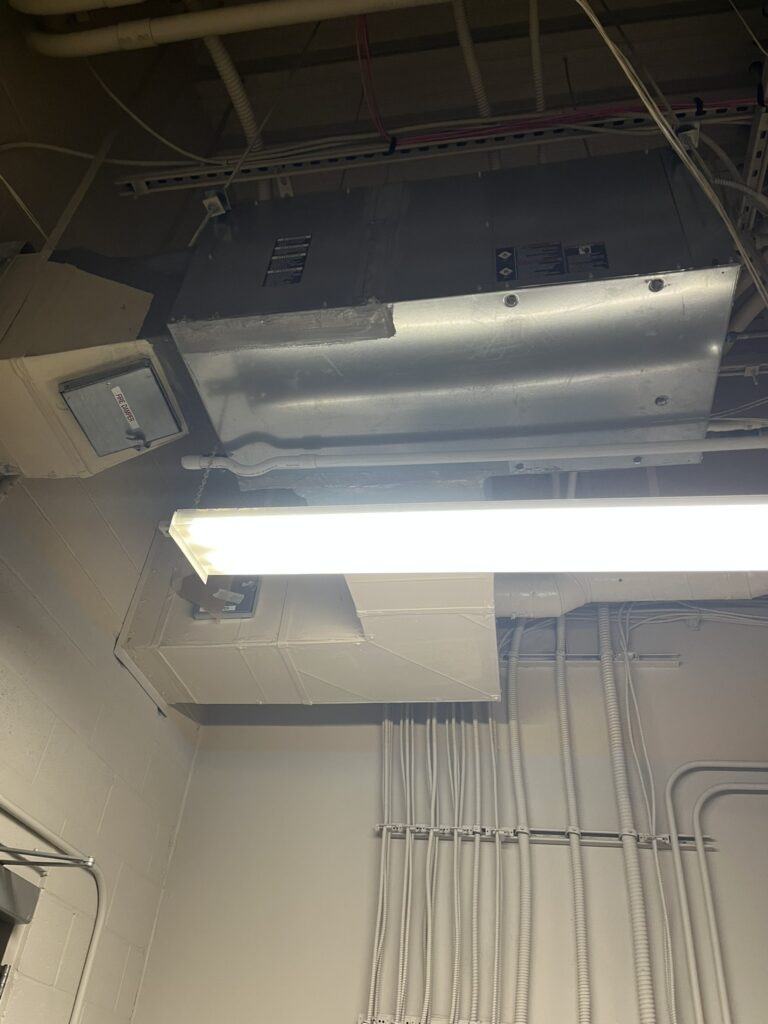
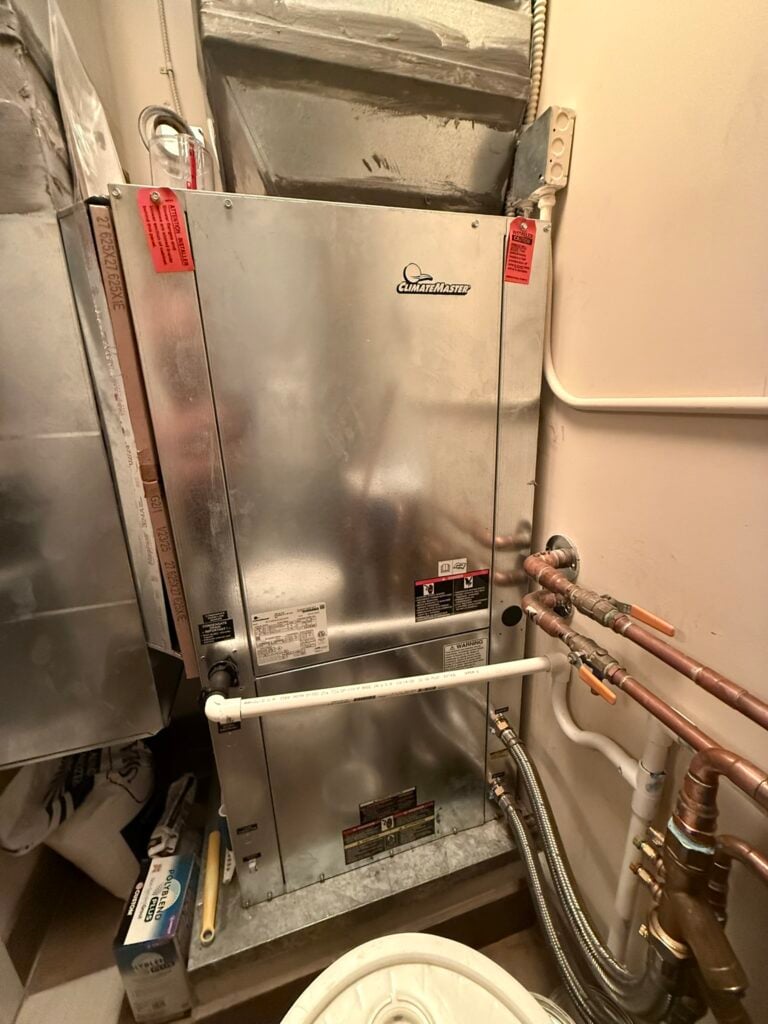
Auto dealership HVAC service has to protect two different businesses at once: the showroom where comfort supports the sale, and the service operation where heat, doors, exhaust, and equipment loads punish the building all day. It needs its own approach because big glass, rooftop units, customer complaints, and bay conditions all hit at the same time.
Auto Dealership HVAC Reality In The Valley
Showroom & Customer Areas
The showroom has glass, solar gain, lighting, people moving in and out, finance offices, sales towers, customer lounges, parts counters, and managers who hear about comfort problems immediately.
Service Operation
The service side has roll-up doors, hot vehicles, compressors, lifts, technicians, parts storage, and spaces that may never feel like the front of house no matter how hard the equipment runs.
In Phoenix, rooftop package units do most of the work on dealerships, and those RTUs live in rough conditions.
Roof temperatures climb hard.
Coils pick up monsoon dust.
Economizer sections get ignored.
A unit that was barely keeping up in spring can become a complaint generator when the roof is 115 degrees.
Cooling is business-critical most of the year, not a seasonal nice-to-have.
The cost of failure depends on where it happens.
A warm showroom makes customers leave faster, pushes sales staff into defensive conversations, and turns the lounge into a complaint desk.
A failed office unit can make finance paperwork miserable.
A service-bay comfort problem can slow technicians, increase fatigue, and create tension between advisors and the shop.
Parts rooms and enclosed offices need stable cooling too, especially when inventory systems and workstations run all day.
Dealership HVAC also has uneven duty cycles.
Saturday traffic, month-end sales pushes, early service write-ups, and after-hours detail or delivery work can change the load without warning.
One thermostat change from a well-meaning employee can mask a deeper airflow problem.
One dirty condenser can make a unit trip during the exact hours the building needs it most.
That is why HVAC service for a Phoenix dealership should start with the actual operation, not just the unit model number. We look at:
- zones
- roof access
- thermostat behavior
- filters
- coils
- drains
- belts where applicable
- electrical condition
- whether the equipment is serving the right area for the complaint
The goal is not to promise perfect comfort in every bay. The goal is to find what is failing, document what we found, and give you a written scope that fits the way the dealership runs.
Contracts And Cost Honesty
Commercial HVAC pricing for a dealership is driven by:
Whether work must happen during or after business hours.
We do not name a repair price before seeing the equipment. We inspect in person, document the findings, and provide a flat-rate written quote for the approved scope.
Planned maintenance is usually the cleanest way to control surprises. It gives the dealership a routine record of inspected equipment, observed wear, filter and coil conditions, and recommended repairs. That record helps when the owner group is deciding whether to keep repairing an RTU or budget for replacement. It also cuts down on vague internal debates about whether a comfort complaint was ever addressed.
Yeti Pros is veteran-owned & operated. AZ ROC #363372 · ROC #363423.
Our work is held to the AZ ROC Minimum Workmanship Standards.
We provide a 2-YEAR written workmanship warranty.
Repair parts carry a 1-YEAR manufacturer parts warranty.
Financing is available, and we offer a 10% military, veteran & first responder discount.
For recurring service, the maintenance contract should name:
For showroom, office, lounge, parts, and service-bay areas.
The point is not paperwork for its own sake. The point is fewer surprise failures, clearer approvals, and better timing when a repair or replacement has to be planned.
How We Run Service For Auto Dealerships
We schedule dealership work around customer-facing hours whenever the issue allows it. Showroom complaints, finance-office failures, lounge discomfort, and parts-counter heat all get handled with the reality that customers are in the building and managers are trying to keep people moving. For service bays, we coordinate access so technicians are not fighting around lifts, vehicles, and active repair orders more than necessary.
Emergency Calls
Emergency calls are handled plainly. Yeti Pros offers office hours Mon-Fri 8-5 plus 24/7 emergency service. If the cooling failure is stopping sales, making an office unusable, or creating a serious shop disruption, we respond like a commercial HVAC contractor, not a residential appointment window.
Scheduled Repairs
If the smarter answer is a scheduled repair because parts, roof access, or operational timing will control the outcome, we say that directly.
We are a service-area business with no street address for customers to visit; we come to you across Phoenix and the Valley.
At booking, the diagnostic or service-call fee is disclosed and credited toward the repair.
After an in-person look, we provide flat-rate written quotes.
Scopes and findings are documented in writing so your GM, controller, owner group, or facilities contact can see what was found, what is included, and what is not included.
For dealerships, documentation matters because approvals often move through more than one person. We write for that chain:
- A service manager may feel the heat first.
- A sales manager may hear the complaints.
- A controller may need the scope before releasing the work.
We identify the equipment, the symptom, the likely cause when confirmed, and the recommended repair or maintenance action.
Preventive maintenance should match the building, not a generic calendar. Showroom RTUs, lounge systems, office zones, and service-bay units may need different attention because they breathe different air and carry different loads. Filters, coils, electrical components, condensate drains, economizer operation, belts where installed, contactors, capacitors, motors, and thermostat issues all need routine eyes on them. For dealerships that have had repeat summer failures, a planned visit before the hard heat matters more than a binder full of vague checkboxes.
When replacement enters the conversation, we do not jump past repair without explaining why. Factors that matter include:
- Age
- refrigerant status
- compressor condition
- coil condition
- electrical failures
- roof curb constraints
- access
- downtime window
Sometimes the best commercial answer is a targeted repair. Sometimes repeated failures are telling you to plan capital work before the next peak season. Either way, the decision should be made from a written scope, not pressure.
For ongoing support, see commercial HVAC maintenance. For recurring service structure and documentation, see commercial maintenance contracts. To schedule a site visit, use contact or call (520) 556-8929.
Decision Table For Dealership HVAC Problems
Most dealership HVAC calls start as a comfort complaint, but the building rarely gives you one clean symptom. The table below shows how we usually sort priority during the first conversation and site visit.
| Symptom Or Situation | What It Usually Means | Priority |
|---|---|---|
| Showroom warm by mid-afternoon | Solar load, dirty condenser coils, low airflow, failing RTU components, or staging that is not keeping up | High when customers and sales staff are affected |
| Customer lounge comfortable in morning, hot later | Underserved zone, thermostat location issue, return-air problem, or RTU performance loss under roof heat | High during service drive hours |
| Finance offices colder or hotter than showroom | Zoning imbalance, blocked diffusers, control issues, or an office buildout that changed airflow | Medium to high depending on occupancy |
| Service bay never cools well | Door load, ventilation load, makeup-air conditions, equipment limits, or poor maintenance on bay units | Operational review before promising comfort changes |
| RTU trips after monsoon dust or storm activity | Dirty coils, electrical exposure, clogged drains, or components stressed by heat and debris | High if repeated or tied to critical zones |
| One unit has repeat repairs | Aging equipment, unresolved root cause, electrical weakness, refrigerant issue, or a system past practical repair | Plan repair-versus-replacement discussion |
Phoenix-Metro Specifics For Auto Dealerships
Dealership buildings in the Phoenix metro tend to put HVAC equipment where it takes a beating: on broad roofs with long sun exposure. RTUs are practical for commercial space, but roof conditions change the service picture. A unit that looks accessible on a plan may require safe coordination around:
Monsoon dust is a real maintenance driver. Coils that were clean enough in April can be loaded by late summer. Dirty coils:
Filters can load faster on properties near traffic, open lots, service-bay doors, detail areas, and parts operations. A dealership that keeps cars moving all day also keeps air moving through doors, service drives, and customer entrances.
Big glass changes the showroom load. Solar gain hits the sales floor even when the thermostats are set correctly. Factors that can change airflow include:
Offices added after the original buildout.
When one area is hot, the answer may be equipment performance, but it may also be distribution. We check both because replacing parts on the roof will not fix a blocked or poorly balanced room.
Utility demand realities also matter. Commercial cooling in the Valley runs long hours, and repeated short cycling or poorly staged equipment can create comfort swings while working equipment harder than necessary. We do not sell energy promises from a quick visit. We do identify obvious operating problems, document them, and recommend practical maintenance or repair steps that reduce avoidable strain.
Service bays need sober expectations. Refrigerated air in an open bay has a different job than refrigerated air in a closed showroom. Factors that change comfort include:
Some shops use evaporative cooling, some use refrigerated zones, and some have a mix. We service HVAC equipment and document findings; we do not pretend a bay can be treated exactly like a finance office.
Across Phoenix and the Valley, the right approach is to keep the customer-facing spaces reliable, give the shop realistic support, and catch roof equipment problems before they become Saturday fires. That means:
- scheduled maintenance
- fast triage when a critical zone fails
- written scopes that help the decision-maker approve work without guessing
Straight Answers
Can you service a dealership without disrupting sales?
Usually, yes. We coordinate roof access, interior access, thermostat checks, and occupied areas around the store’s schedule when the situation allows it. Emergency cooling failures are different because speed may matter more than convenience. Either way, we explain the access we need and document what we found.
Do you work on both showroom and service-bay HVAC?
Yes. We service commercial HVAC equipment serving showrooms, offices, lounges, parts areas, and service bays. The expectations are different by zone. A closed showroom and an active bay with open doors do not behave the same, so our recommendations reflect the space and the equipment serving it.
Can you help us decide whether to repair or replace an RTU?
Yes. We look at the confirmed failure, equipment age, repair history when available, refrigerant and electrical condition, coil condition, access, and downtime impact. Then we provide a written scope so management can compare the repair against a planned replacement discussion without guessing.
Do you provide emergency HVAC service for dealerships?
Yes. Office hours are Mon-Fri 8-5, and 24/7 emergency service is available. If a critical dealership zone is down, call (520) 556-8929. The diagnostic or service-call fee is disclosed at booking and credited toward the repair when the work is approved.
Most of these relationships start small: a commercial HVAC maintenance call that gets handled cleanly, then a maintenance cadence that fits the operation. Request a walkthrough and we will scope it in person, in writing.
Permits and inspections
Most repairs are ordinary service work; bigger scopes can involve city permitting. We perform our work to code, pull the permits our scope requires, and put what we did in writing.
What's covered
Workmanship is covered for two full years, in writing, and repair parts carry a 1-year manufacturer parts warranty — we document installs and repairs so those claims stay simple to make
HVAC for Auto Dealerships — Phoenix Metro, city by city.
Every city below has its own local page for this industry — local FAQs, utility territory, and dispatch reality included.
Why a licensed HVAC contractor matters.
Commercial HVAC, industry by industry.
Every major brand, serviced and installed.
Phoenix metro: Most days a tech is already working somewhere in the Valley, so same-day appointments happen when the schedule allows. After-hours emergencies are dispatched when a licensed tech is available — a real person answers and tells you the ETA on the call.
Call (520) 556-8929Request an estimate.
No pressure, no door knockers. We look at the HVAC system, tell you what it needs (and what it doesn’t), and put the number in writing.