
Phoenix Metro
HVAC for Restaurants in Phoenix.
- (480) 771-3252
- Serving the entire Phoenix metro — we come to you
- Office: Mon–Fri 8:00 AM – 5:00 PM · 24/7 emergency service
- 2-year workmanship warranty · 1-year parts warranty
- Veteran-owned & operated · residential + commercial
- 66 five-star Google reviews
Commercial jobs we have documented.
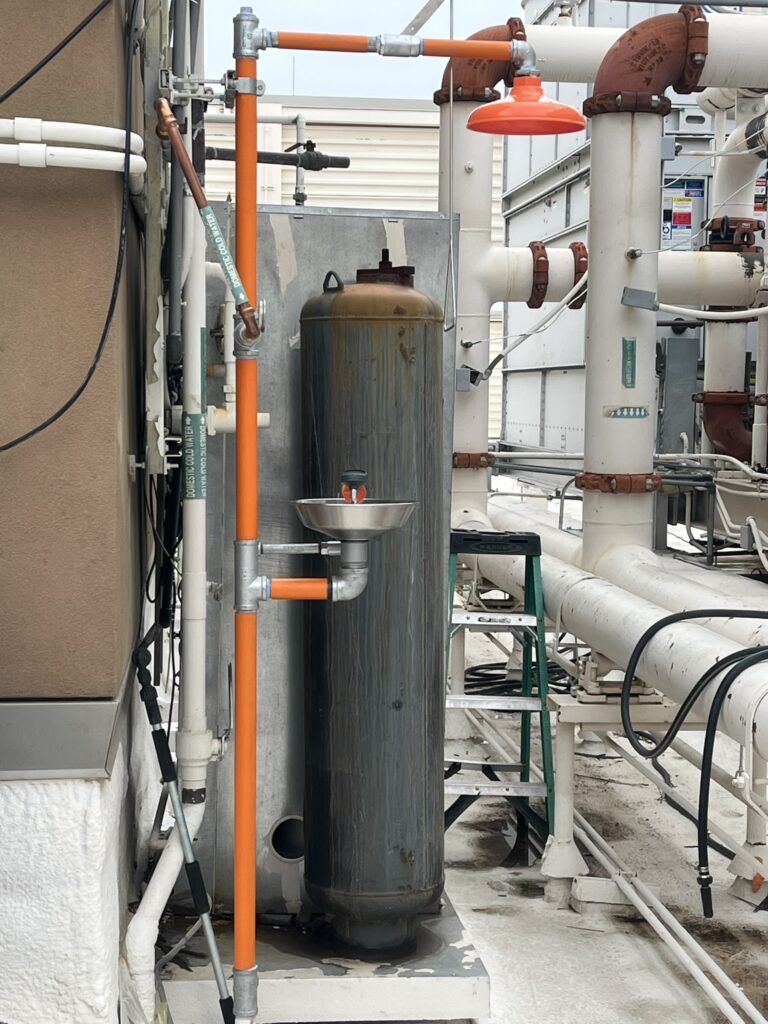
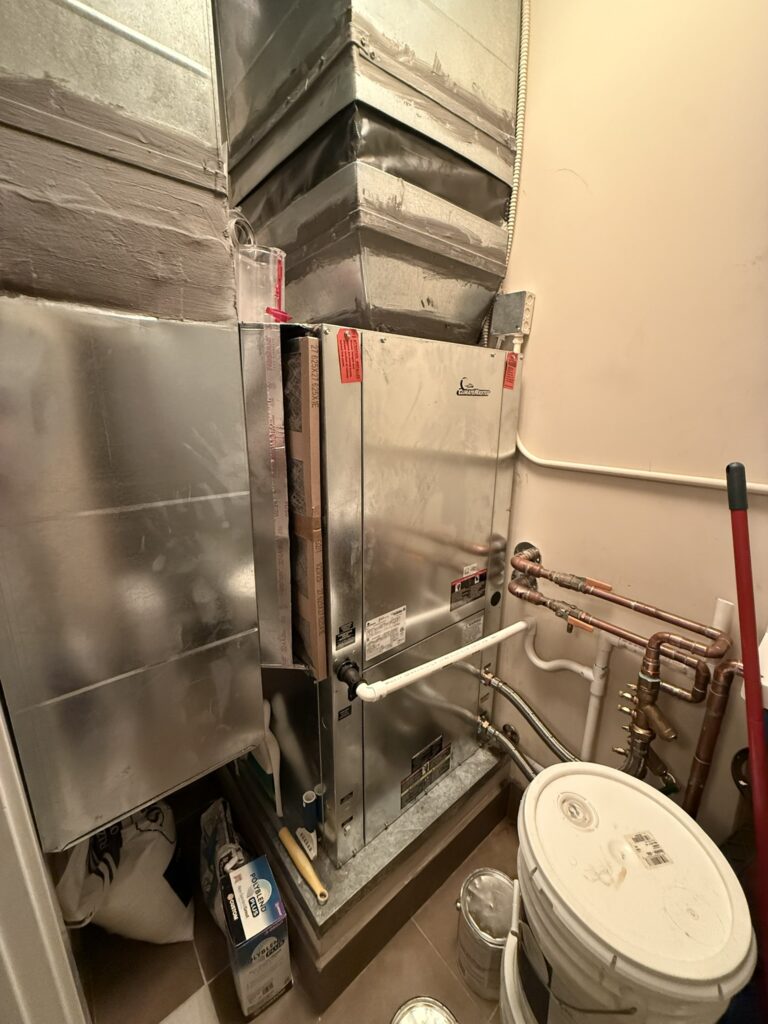
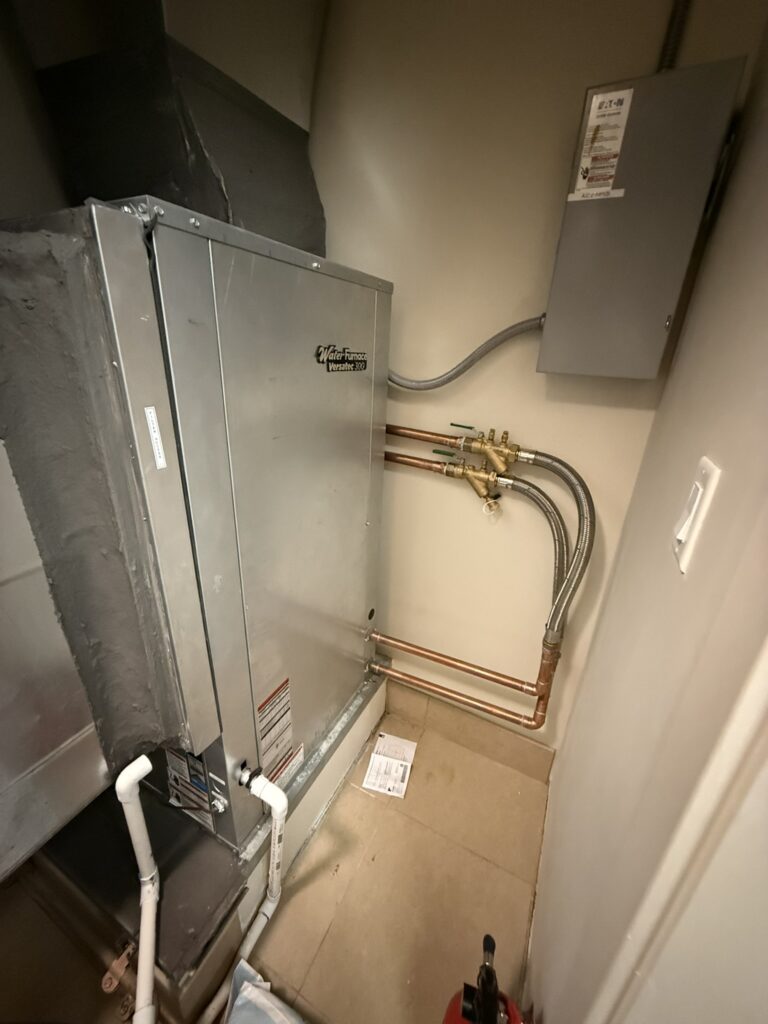
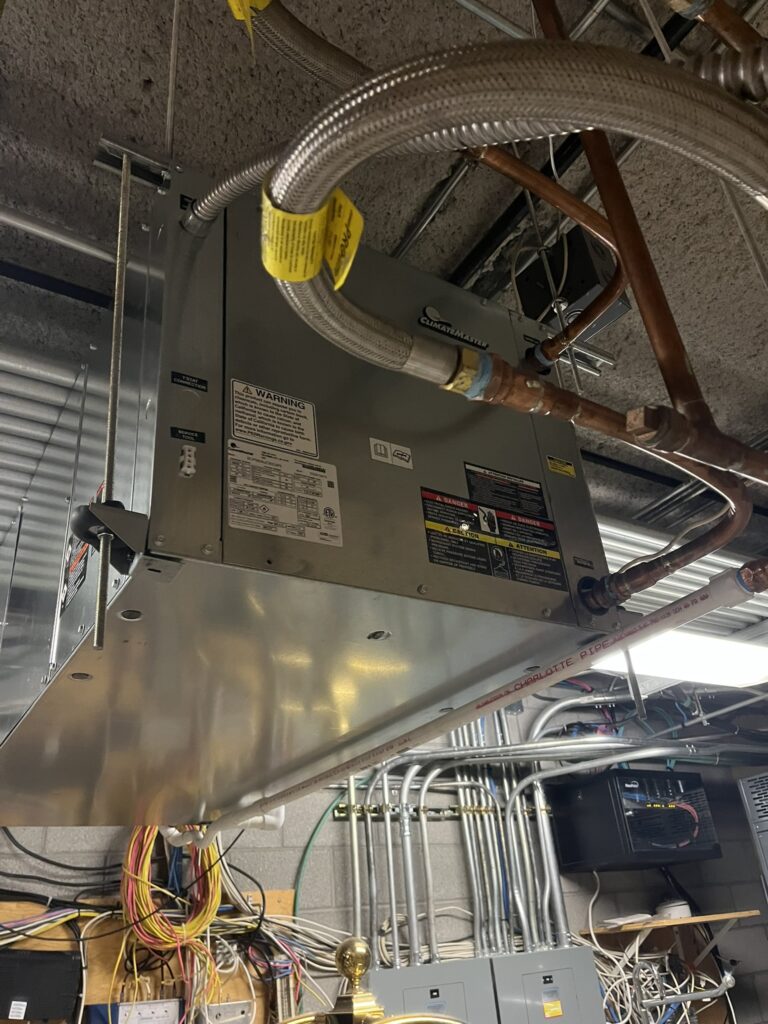
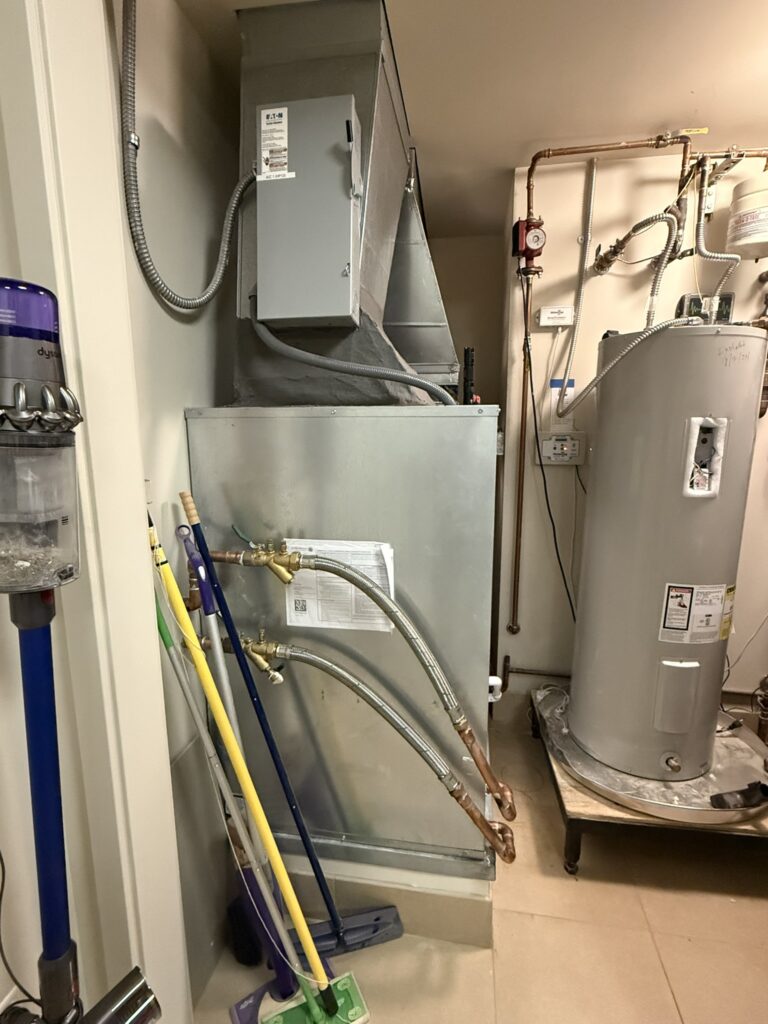
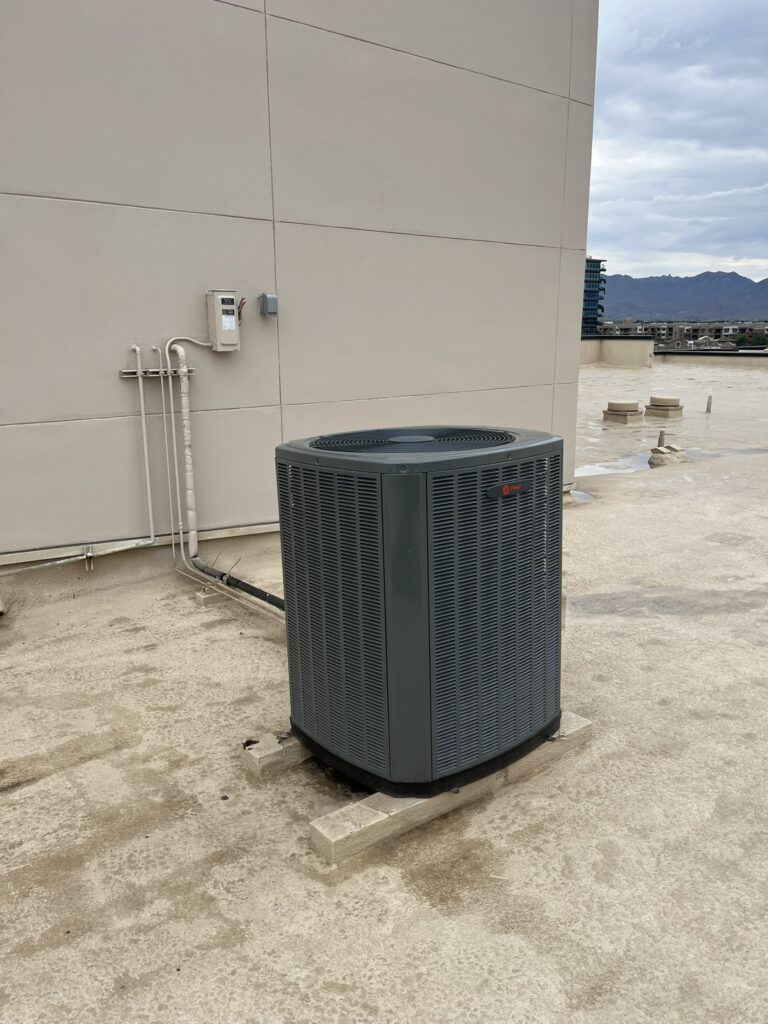
Photos from our own commercial projects — equipment we installed, in buildings we serviced.
Restaurant HVAC in Phoenix means winning three fights at once:
- A cook line pushing furnace-grade heat into the building twelve hours a day.
- A dining room your guests expect to feel like a refuge from the parking lot.
- A lineup of refrigeration guarding your entire food cost against the desert outside.
Yeti Pros is a veteran-owned and operated commercial HVAC and refrigeration contractor built for exactly this fight, serving full-service restaurants across the whole Phoenix metro under ROC #363372 and ROC #363423. If your kitchen is sliding from uncomfortable toward unworkable, a real person answers (480) 771-3252 at any hour.
A full-service kitchen is an air-balance problem before it’s a cooling problem
Every hood over your line is a pump ejecting thousands of cubic feet of air per minute from the building, and all of it has to be replaced by something. When the make-up air unit is undersized, failed, or switched off because the crew hates what it blows, the building goes negative. The symptoms are unmistakable:
Front doors that fight your hosts.
Smoke rolling out from under the hood instead of up the duct.
Pilot lights snuffing out.
Restroom odors wandering into the dining room.
Your conditioned air getting dragged across the cook line where it helps no one.
A surprising share of the “our AC can’t keep up” calls we run in Valley restaurants turn out to be airflow problems wearing a cooling costume.
We service hoods, exhaust fans, and make-up air as one system, because physically that’s what they are. That includes kitchen exhaust and hood cleaning on an NFPA 96 cadence matched to your menu — heavy fry and solid-fuel cooking demand far more frequent service than a light-duty concept — with the paperwork your fire marshal and insurance carrier expect to see current.
Keeping a dining room cool with a furnace next door
The front of house in a Phoenix restaurant is squeezed between two heat sources: triple-digit air outside the windows and a cook line radiating through the pass. Guests judge the room within their first minute in it, and a warm dining room:
- Shortens visits.
- Kills dessert sales.
- Lands in reviews before it ever shows up on your thermostat.
Solving it takes honest load math, considering factors like:
- Glass exposure.
- Occupancy at your true Friday peak.
- Kitchen spillover.
This also requires equipment with enough margin that a full house doesn’t flatten it. When the front-of-house units fall behind, our commercial AC repair techs sort out whether you’ve got:
- A refrigerant issue.
- A duct and airflow issue.
- A system that was never sized for an Arizona August in the first place.
Walk-ins, reach-ins, and ice under one roof
A full-service house runs its cold chain in layers, and each layer fails on its own schedule with its own price tag.
Holds the week’s proteins and produce. A warm walk-in threatens the whole order.
Holds the day’s prep. A warm rail closes one station mid-service.
Feeds the bar, the wells, and every water glass in the room. In Phoenix, hard water scales ice equipment faster than nearly anywhere in the country, and a July ice outage means a bar that can’t sell drinks.
Our commercial refrigeration repair team covers the line equipment, our walk-in cooler and freezer service handles the big boxes, and ice machine repair closes the loop.
The July dinner-rush failure, hour by hour
Here’s how it actually happens:
It’s 6:40 on a Friday in July, 112°F at the patio door, every table sat, and a thirty-ticket rail.
The kitchen was already losing the temperature battle at 4 p.m.; by the second seating the line is past 95°F, ticket times stretch, and your best sauté cook is getting dizzy.
Meanwhile the dining-room units, running flat out since before lunch, hit their ceiling, and the room creeps just warm enough that guests start commenting.
Nothing technically “broke” — the building simply ran out of capacity at the exact hour it earns its money.
The operators who never live this scene are the ones who had coils cleaned, refrigerant verified, and weak equipment flagged back in April. Everyone else meets us at 7 p.m. — and we come, but midsummer emergency queues across the Valley get long, and prevention is the only way to skip them entirely.
Temperature logs your health inspector will actually believe
County inspections live and die on cold holding, and your logs are only as credible as the equipment behind them. Gear that drifts quietly poisons weeks of documentation, such as:
- A walk-in that cycles warm overnight.
- A rail that reads fine at 8 a.m. and fades by the rush.
Every repair and maintenance visit we make ends with holding temperatures verified under a real product load and recorded on your service report. If an inspector ever questions a gap, you’re holding a dated, third-party record of:
- What failed.
- What was done.
- When safe temperatures returned.
Patio season cuts both ways
Phoenix restaurants earn on their patios from October through May, then defend their dining rooms from June through September. That swing has mechanical consequences:
- Misting and evaporative patio systems that need commissioning before the first 100°F week.
- Door traffic between patio and house dumping hot — and during monsoon season, humid — air inside with every swing.
- Shoulder-season days that want heat at brunch and cooling by dinner, which is precisely where neglected equipment gets exposed.
We build seasonal readiness around your calendar:
- Patio gear in fall and spring.
- Full cooling verification before Memorial Day.
- Airflow rebalancing whenever the line or the menu changes.
Maintenance that follows a restaurant’s rhythm
Your equipment doesn’t take weekends off, so service can’t demand them. Our planned maintenance contracts schedule around prep, service, and deliveries — overnight and early-morning visits included — and cover the whole mechanical stack in one pass:
- Condensers degreased before summer.
- Hood and fan belts checked.
- Make-up air filters changed.
- Gaskets and defrost cycles verified.
- Controls calibrated against a reference thermometer.
Contract customers also ride the front of the emergency queue, which the July scenario above should tell you is worth more in this market than almost any other line in your budget.
Straight numbers, written down, from a veteran-owned shop
We believe in transparency and clear policies:
- Every job gets a flat-rate written quote before work begins — you approve a number, not an open-ended hourly meter.
- The service-call fee is disclosed when you book and credited toward the repair when you proceed.
- Refrigerant is handled exclusively by EPA 608-certified technicians and documented on your invoice.
Our Written Warranty
Beneath our own written warranty sits the Arizona ROC’s Minimum Workmanship Standards.
Arizona ROC Standards
The Arizona ROC’s Minimum Workmanship Standards are the legal floor every licensed contractor in the state owes you.
And because so many Valley restaurant owners, chefs, and dish-pit crews have served, we extend a 10% military, veteran & first responder discount on residential work at their homes — the contractor who keeps your walk-in cold should be able to do the same for your bedroom.
Restaurant HVAC questions we field across Phoenix
Our make-up air unit has been off for years. Does it really matter?
Yes — running hoods without make-up air is why your doors slam, your smoke rolls, and your cooling bill climbs while the kitchen stays hot. If the crew shut it off because it blew hot untempered air, that’s a fixable equipment problem, not a reason to run the building out of balance.
How often does our hood actually need cleaning?
NFPA 96 keys the cadence to your cooking volume and fuel type — a wood-fired or heavy-fry line needs service far more often than a low-grease menu. We inspect, set the interval honestly, and leave the certificates and photos your fire marshal and insurer want on file.
Why is the dining room only warm on our busiest nights?
Because people are heat. A packed room adds a serious sensible and humidity load on top of the July envelope load, and equipment with no margin left shows it only at peak. We test capacity under real conditions, not on a quiet Tuesday morning.
Can one contractor really handle HVAC, refrigeration, and hoods?
That’s the entire point of our model. Kitchen airflow, comfort cooling, and refrigeration constantly affect one another, and a contractor who sees all three ends the finger-pointing — one number to call, one report covering the whole building.
The walk-in is warming mid-service. What do we do while you’re rolling?
Keep the door closed except for essential pulls, consolidate the most sensitive product into the coldest zone, and start logging temperatures with times. Loaded boxes get priority dispatch, and the notes you take protect you with both the inspector and your insurer.
Can you work on our equipment without costing us service hours?
Yes — overnight and early-morning windows are normal for us, and the emergency line is answered by a person 24/7, not a machine. Most restaurant PM visits happen while your kitchen is dark.
We’re opening a second location. When should we call you?
Before you sign the lease. A walk-through tells you the age and condition of the rooftop units, whether the hood and make-up air can support your menu, and what the existing refrigeration is actually worth — leverage for negotiation, and protection against inheriting someone else’s July failure.
Line overheating or walk-in warming mid-service? Call (480) 771-3252 — veteran-owned, answering 24/7 across the Phoenix metro, ROC #363372 · ROC #363423.
Permits and inspections
Most repairs are ordinary service work; bigger scopes can involve city permitting. We perform our work to code, pull the permits our scope requires, and put what we did in writing.
What's covered
Workmanship is covered for two full years, in writing, and repair parts carry a 1-year manufacturer parts warranty — we document installs and repairs so those claims stay simple to make
HVAC for Restaurants in Phoenix, city by city.
Every city below has its own local page for this industry — local FAQs, utility territory, and dispatch reality included.
Why a licensed HVAC contractor matters.
Commercial HVAC, industry by industry.
Every major brand, serviced and installed.



Phoenix metro: Most days a tech is already working somewhere in the Valley, so same-day appointments happen when the schedule allows. After-hours emergencies are dispatched when a licensed tech is available — a real person answers and tells you the ETA on the call.
Call (480) 771-3252Request an estimate.
No pressure, no door knockers. We look at the HVAC system, tell you what it needs (and what it doesn’t), and put the number in writing.