
Phoenix Metro
HVAC for Cold Storage — Phoenix Metro.
- (520) 556-8929
- Serving the entire Phoenix metro — we come to you
- Office: Mon–Fri 8:00 AM – 5:00 PM · 24/7 emergency service
- 2-year workmanship warranty · 1-year parts warranty
- Veteran-owned & operated · residential + commercial
- 23 five-star Google reviews
Commercial jobs we have documented.
Photos from our own commercial projects — equipment we installed, in buildings we serviced.
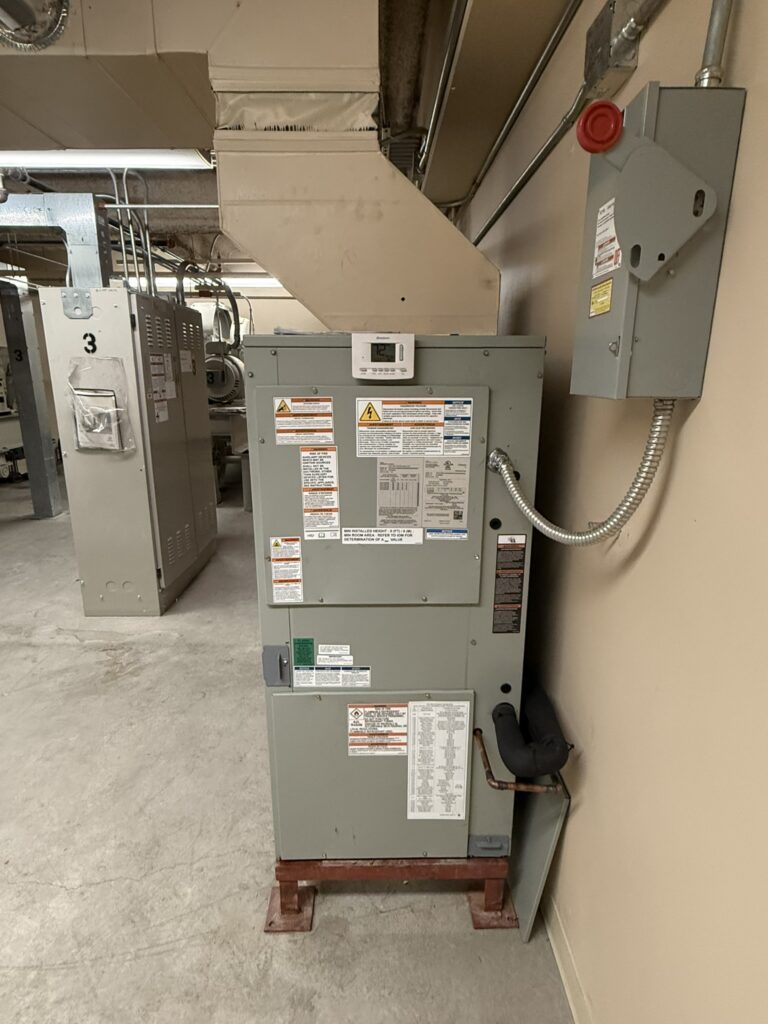
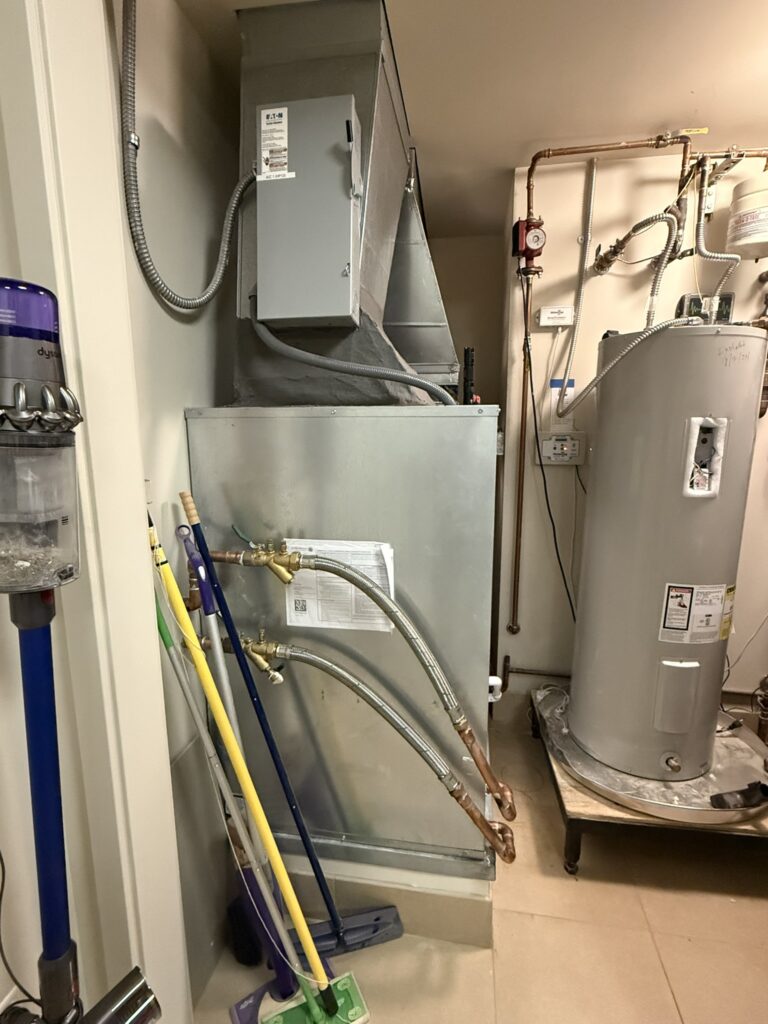
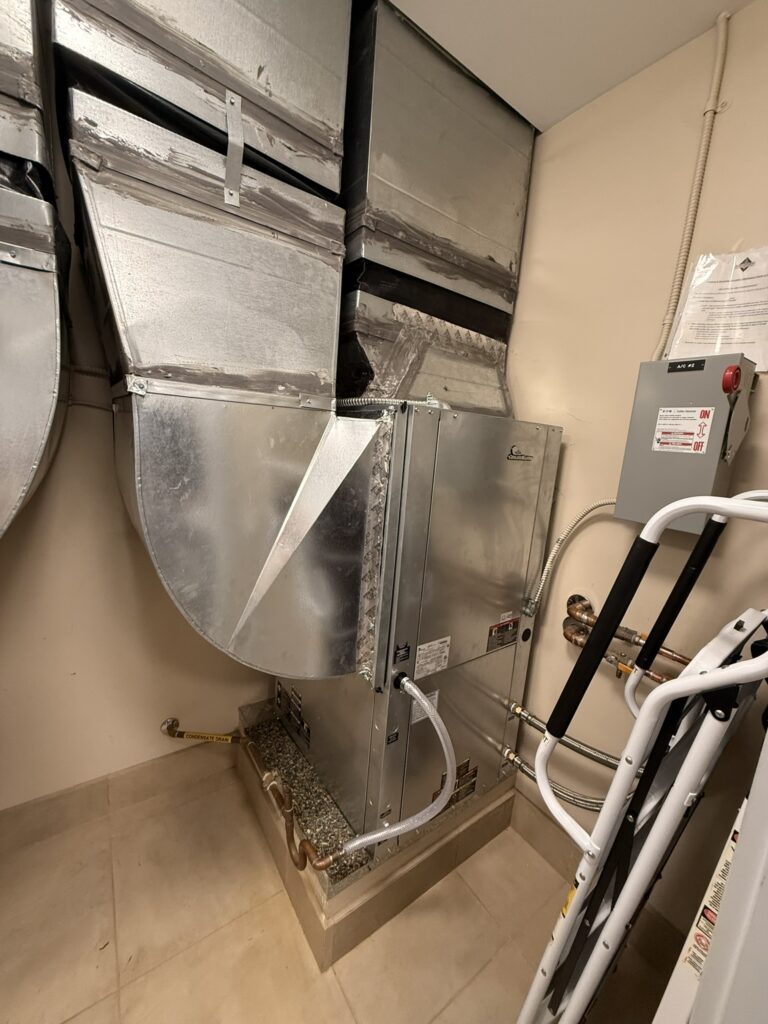
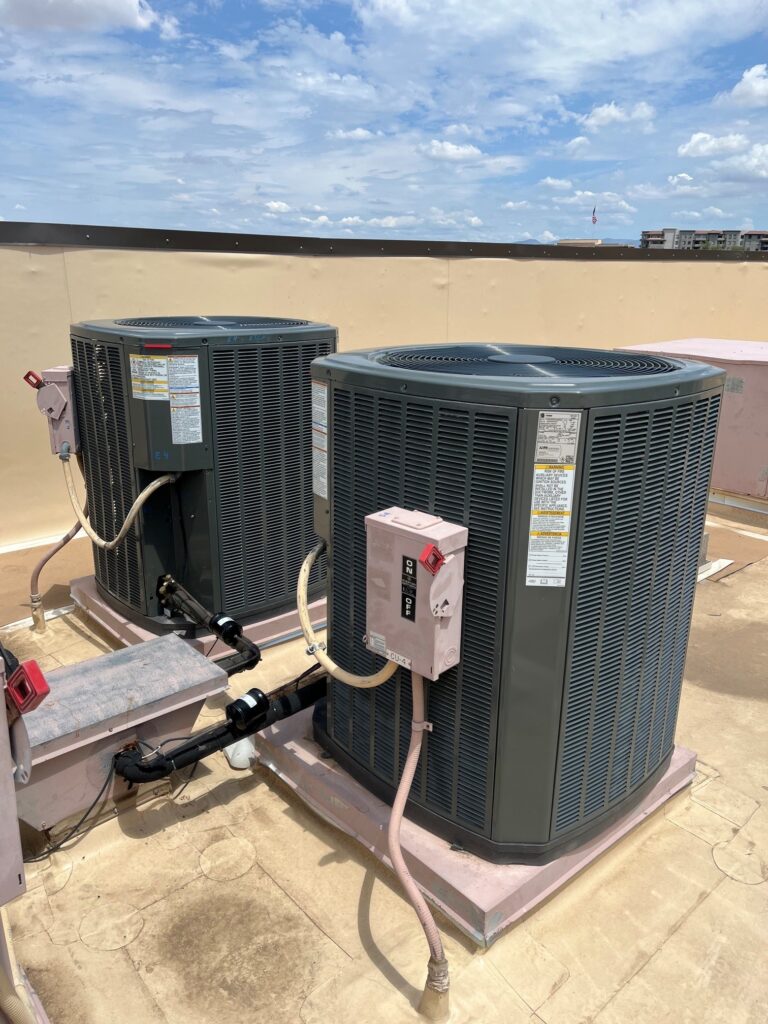
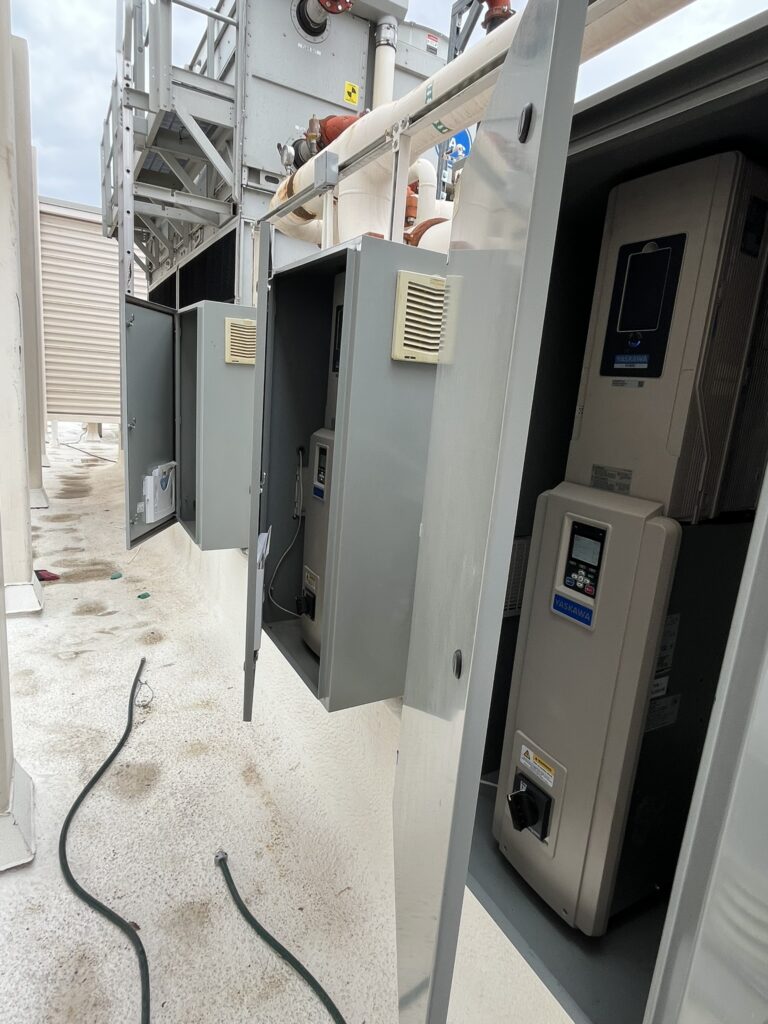
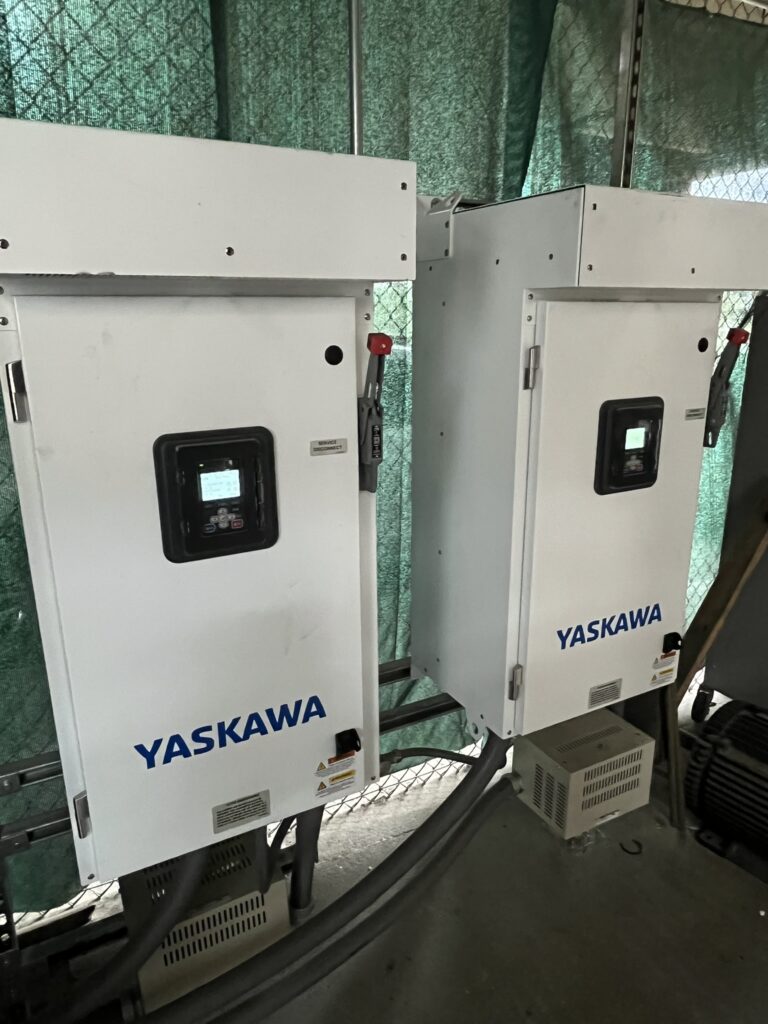
Cold storage HVAC service is refrigeration-forward because comfort cooling is only part of the facility. Dock doors, infiltration, evaporators, condensers, office RTUs, staging areas, and product temperature risk all interact. In Phoenix, a weak component can turn into an operational problem fast when hot air keeps entering the building.
The HVAC Reality For Cold Storage In The Valley
Cold storage facilities are built around temperature control, not comfort. Offices, break rooms, dock areas, charging rooms, dry storage, refrigerated rooms, freezer spaces, and staging zones each have different mechanical needs. The refrigeration system carries the operational burden, while HVAC equipment often supports offices, electrical rooms, driver areas, and spaces that sit next to refrigerated zones. Service has to recognize that split.
The hardest condition is infiltration. Every door opening introduces heat and moisture. In a 115 degree ambient environment, dock traffic, damaged seals, strip curtains, air curtains, poor door discipline, or long loading cycles can overwhelm equipment that looks fine under lighter conditions. The symptom might be frost, temperature drift, longer compressor runtime, sweating surfaces, warm dock complaints, or office RTUs struggling because adjacent heat and humidity are not controlled.
In Phoenix and the Valley, rooftop package units still matter at cold storage sites. The office staff, dispatch area, control rooms, battery charging areas, restrooms, and support spaces need reliable cooling while the refrigeration plant handles product areas. RTUs sit on hot roofs, collect monsoon dust, and run through long cooling seasons. If the office RTU fails during a product issue, management is dealing with people discomfort and product-risk decisions at the same time.
Product-loss stakes change the tone of service. We do not need invented figures to say downtime hurts. A refrigeration fault can affect inventory, shipping schedules, receiving windows, customer commitments, and food or product handling records. The responsible person needs straight diagnostics, documented findings, and a repair scope that separates urgent stabilization from longer-term reliability work.
Yeti Pros is veteran-owned and operated, and we come to you as a service-area commercial HVAC and refrigeration contractor. We work on the mechanical issues we are qualified to service, document what we find, and keep the conversation grounded in the equipment, the load, and the facility’s operating pattern.
Contracts And Cost Honesty
Cold storage pricing depends on equipment type, access, refrigeration components, controls, refrigerant type, roof or yard conditions, parts availability, after-hours response, and whether the work affects product areas or support spaces. We inspect first, disclose the diagnostic or service-call fee at booking, credit it toward the repair, and provide a flat-rate written quote after an in-person look.
Maintenance contracts should fit the facility, not a generic office checklist. Our commercial maintenance contracts can be structured around refrigeration-forward service, condenser and evaporator checks, drain attention, electrical inspections, RTU maintenance, and written findings. For urgent mechanical issues, see commercial refrigeration repair.
Yeti Pros is veteran-owned and operated, AZ ROC #363372 · ROC #363423. Workmanship is backed by a 2-YEAR written workmanship warranty, and repair parts carry a 1-YEAR manufacturer parts warranty. Work is held to the AZ ROC Minimum Workmanship Standards. Financing is available, and we offer a 10% military, veteran & first responder discount. Use contact or call (520) 556-8929. We come to you.
How We Run Service For Cold Storage
Initial Triage & Service Determination
Is the issue in a refrigerated room, freezer, dock, condenser, evaporator, control, drain, defrost, office RTU, or support area?
Is product temperature affected, or is the complaint limited to staff comfort?
Is the system down, drifting, icing, short cycling, leaking, or alarming?
Those details determine whether the call is emergency refrigeration service, scheduled repair, or planned maintenance.
Emergency Service Availability & Criteria
Office hours are Mon-Fri 8-5, and 24/7 emergency service is available.
Cooling or refrigeration failure threatens operations.
Equipment is down.
Ice or condensate creates immediate disruption.
A support space failure affects the ability to run the facility.
We are clear about what can be stabilized, what requires parts, and what needs a follow-up repair window.
Scheduling Routine Work & Access
We schedule routine work around dock traffic, receiving windows, shipping activity, and inventory movement.
Some equipment can be serviced from the roof or mechanical area. Some work requires coordination near doors, evaporators, panels, drains, or occupied operational zones.
We do not treat a refrigerated warehouse like an empty box store. Access and timing affect whether the service is efficient and whether it disrupts the operation.
Diagnostic Process & Transparent Documentation
The diagnostic or service-call fee is disclosed at booking and credited toward the repair.
After an in-person look, we provide a flat-rate written quote with scopes and findings documented in writing.
For cold storage, that documentation helps separate the visible symptom from the cause. The written scope keeps the decision clean.
Symptom: Frost
Frost may be related to door infiltration, defrost, refrigerant charge, airflow, controls, fans, drains, or evaporator condition.
Symptom: Warm Office
A warm office may be an RTU problem, not a refrigeration issue.
Comprehensive Preventive Maintenance
Preventive maintenance should cover the systems that actually carry the load. Key components needing attention include:
- Condenser coils
- Evaporator condition
- Fan motors
- Controls
- Defrost operation
- Drains
- Electrical components
- Belts where applicable
- Filters
- RTUs
In this market, waiting for the hottest week to discover a marginal condenser or failing motor is a bad operating bet.
Cold Storage HVAC Decision Points
Cold storage symptoms can look similar from the floor but point to different mechanical causes. The priority depends on product exposure, equipment status, room temperature trend, door use, and whether the affected system is refrigeration or comfort HVAC.
What it usually means: Refrigeration capacity, condenser condition, evaporator airflow, refrigerant issue, controls, defrost, or infiltration may be involved. Priority: Urgent when product or operations are affected.
What it usually means: Door infiltration, defrost problem, fan issue, drain issue, controls, or evaporator condition may be causing moisture buildup. Priority: High because airflow and temperature control can degrade.
What it usually means: Door cycles, seals, air movement, ventilation, or nearby HVAC capacity may not match actual loading activity. Priority: Medium to high depending on product staging.
What it usually means: Dirty condenser coil, electrical failure, motor problem, low airflow, refrigerant circuit issue, or controls fault may be involved. Priority: High for staff and management continuity.
What it usually means: Drain condition, insulation, humidity load, coil temperature, or service interval may need correction. Priority: High when water or ice disrupts operations.
Phoenix-Metro Conditions That Matter For Cold Storage
Phoenix cold storage facilities fight outdoor heat most of the year. Refrigeration systems reject heat into already hot ambient conditions, and rooftop or outdoor condensers need clean coils, reliable motors, solid electrical components, and proper airflow. Monsoon dust makes that harder by coating coils and reducing heat rejection right when equipment needs every bit of capacity.
Door infiltration is the local reality that never goes away. A refrigerated warehouse with active dock traffic can pull in heat and moisture all day. That affects evaporator load, frost, defrost cycles, floors, dock comfort, and staging areas. A refrigeration visit should begin with door patterns, seals, curtains, and loading behavior because the equipment may be reacting to the building’s operating pattern.
The Valley also has a lot of mixed-use refrigerated facilities: part office, part warehouse, part refrigerated processing, part distribution. That means multiple systems and priorities under one roof. A comfort RTU can be minor compared with a refrigeration fault, but it still matters when the dispatch office or control area is unusable. A refrigeration issue may be the main emergency, while an office HVAC repair can be scheduled once operations are stable.
Utility demand realities belong in the discussion because long runtime is expensive operationally even when no specific rate is quoted. Dirty coils, failing fans, poor airflow, and repeated door heat gain make systems run harder. The service value is in identifying what is mechanical, what is maintenance, and what is operational so the facility manager can act where it matters.
Strategic Maintenance Timing
Because cooling is business-critical in Phoenix and the Valley, maintenance timing should be deliberate. Condensers and RTUs should be checked before the hardest summer load. Refrigeration components that are already marginal will not become more reliable on a 115 degree roof or in a hot yard. Written findings give the facility a practical basis for repair approvals, parts planning, and emergency-readiness discussions.
Straight Answers
Is cold storage HVAC the same as commercial AC?
No. Commercial AC may serve offices and support spaces, but cold storage is usually refrigeration-forward. The main operational risk is maintaining product-area temperature through door cycles, heat load, defrost, condensers, evaporators, and controls. We diagnose the affected system instead of treating every complaint like a standard AC call.
Why does our refrigerated room drift warmer during loading?
Loading introduces hot, humid air through doors. If door cycles are long, seals are worn, curtains are missing, defrost is off, coils are dirty, or capacity is weak, the room may drift during busy periods. Diagnostics should look at both equipment condition and how the room is being used.
Can you handle emergency refrigeration calls?
Yes. Office hours are Mon-Fri 8-5, and 24/7 emergency service is available. We respond to refrigeration and HVAC failures that affect operations, document findings, and quote repair after an in-person look. If stabilization is possible before a permanent repair, we explain that clearly.
Do cold storage sites need planned maintenance?
Yes, in most cases. Condensers, evaporators, drains, electrical components, controls, RTUs, and filters need scheduled attention because heat, dust, and door infiltration are relentless across Phoenix and the Valley. Planned maintenance helps find weak points before a busy receiving day turns them into an outage.
Permits and inspections
Most repairs are ordinary service work; bigger scopes can involve city permitting. We perform our work to code, pull the permits our scope requires, and put what we did in writing.
What's covered
Workmanship is covered for two full years, in writing, and repair parts carry a 1-year manufacturer parts warranty — we document installs and repairs so those claims stay simple to make
HVAC for Cold Storage — Phoenix Metro, city by city.
Every city below has its own local page for this industry — local FAQs, utility territory, and dispatch reality included.
Why a licensed HVAC contractor matters.
Commercial HVAC, industry by industry.
Every major brand, serviced and installed.
Phoenix metro: Most days a tech is already working somewhere in the Valley, so same-day appointments happen when the schedule allows. After-hours emergencies are dispatched when a licensed tech is available — a real person answers and tells you the ETA on the call.
Call (520) 556-8929Request an estimate.
No pressure, no door knockers. We look at the HVAC system, tell you what it needs (and what it doesn’t), and put the number in writing.