
Phoenix Metro
HVAC for Laboratories — Phoenix Metro.
- (520) 556-8929
- Serving the entire Phoenix metro — we come to you
- Office: Mon–Fri 8:00 AM – 5:00 PM · 24/7 emergency service
- 2-year workmanship warranty · 1-year parts warranty
- Veteran-owned & operated · residential + commercial
- 23 five-star Google reviews
Commercial jobs we have documented.
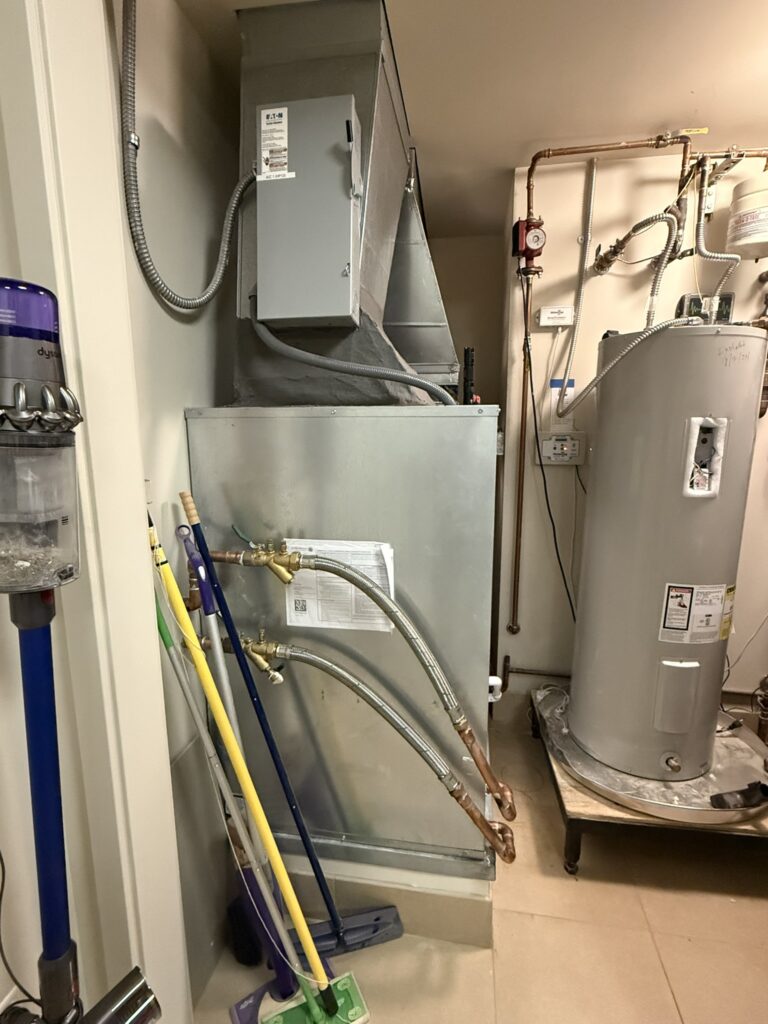
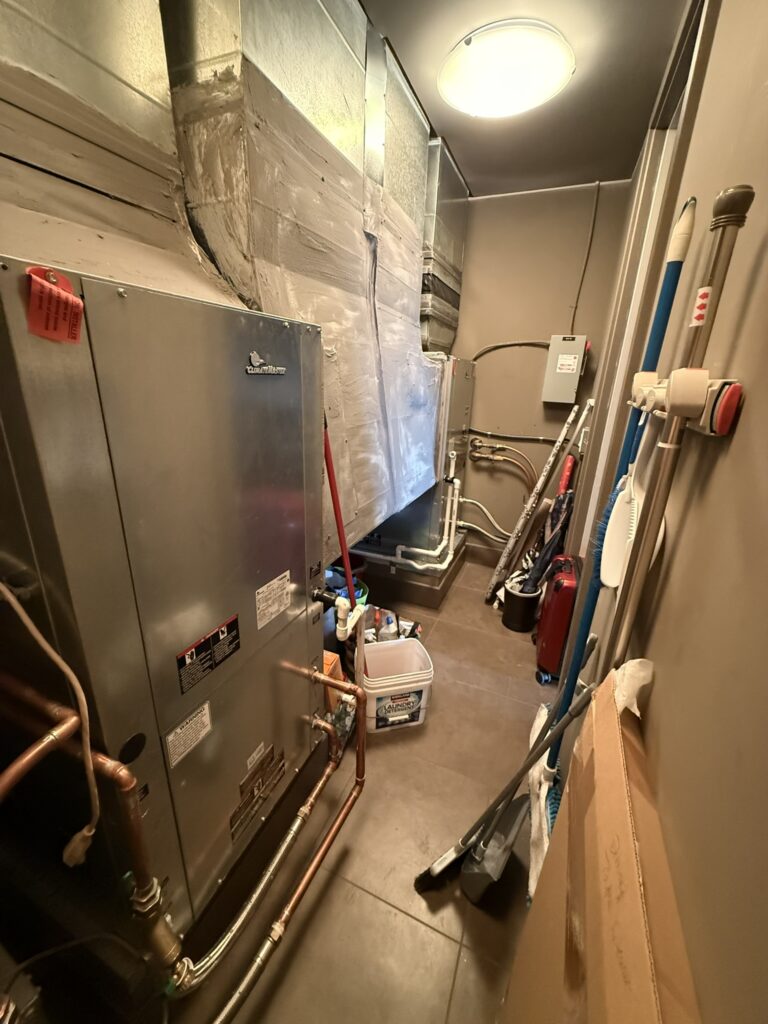
Photos from our own commercial projects — equipment we installed, in buildings we serviced.
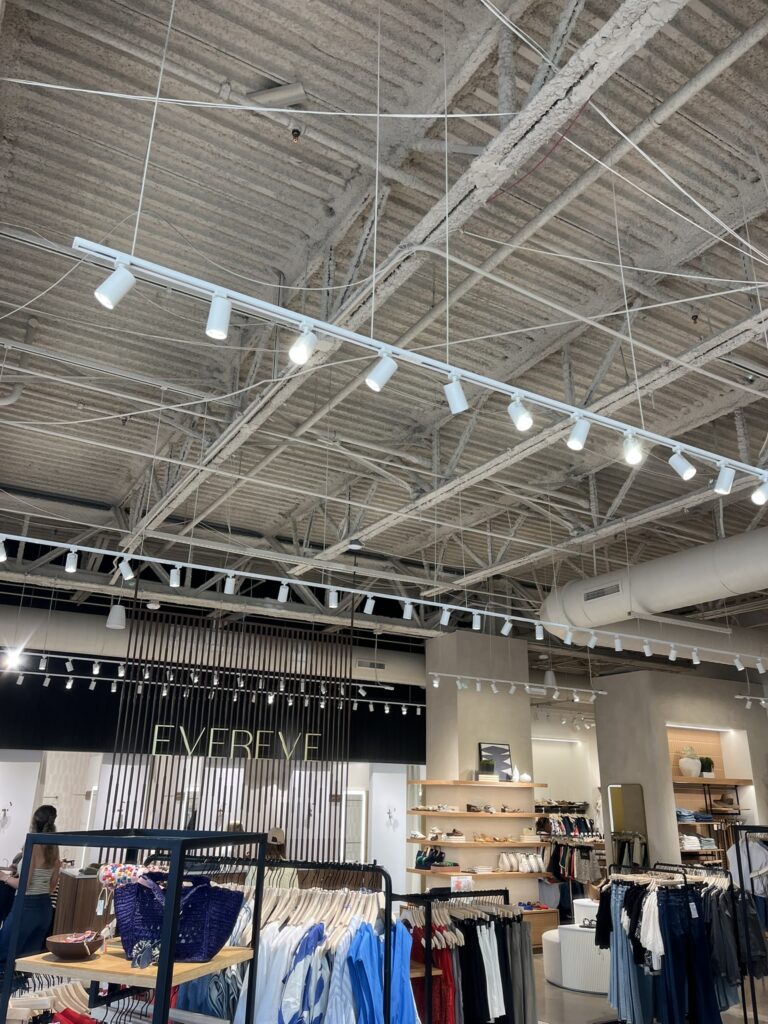
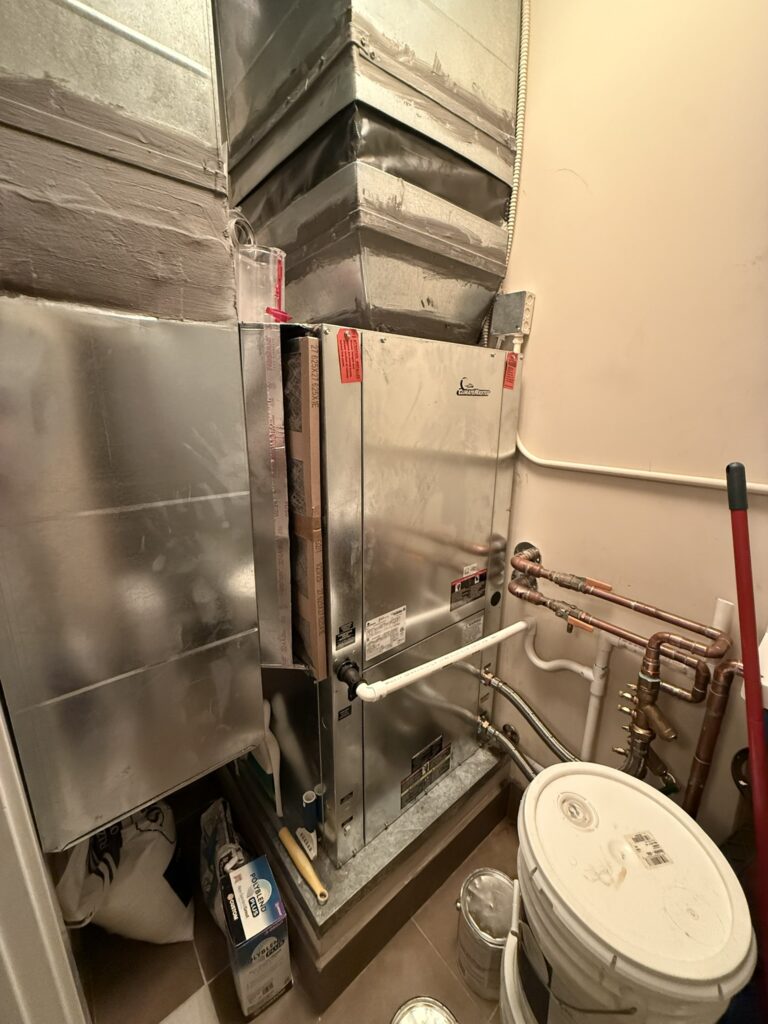
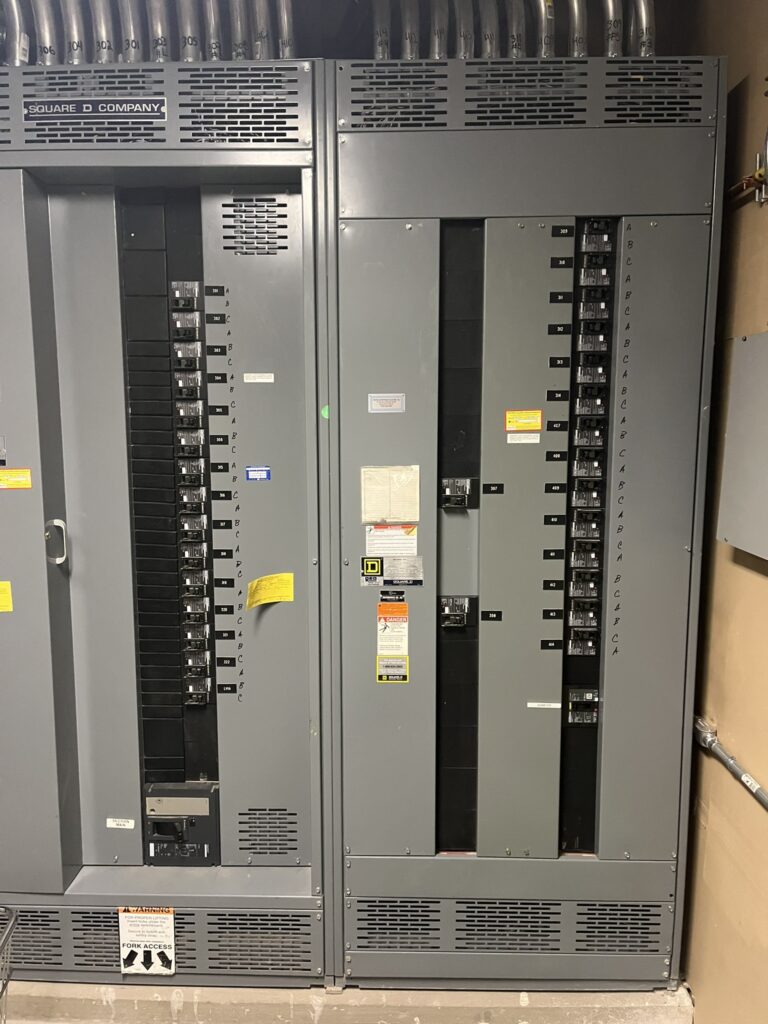
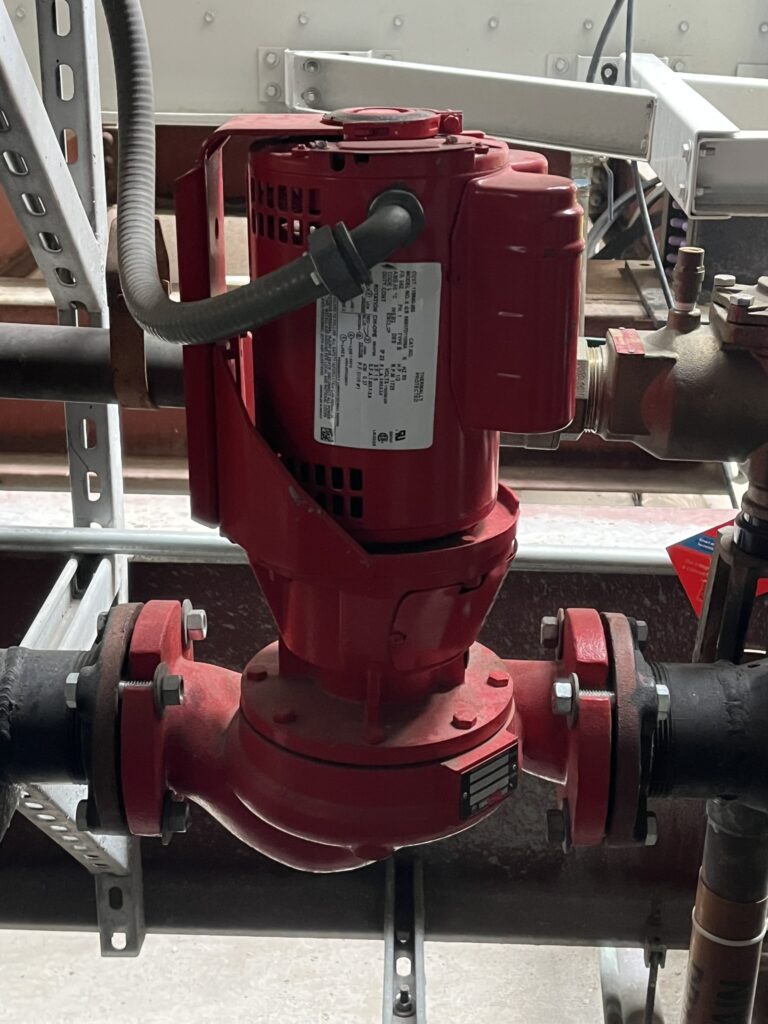
Laboratory HVAC service has to respect the way comfort cooling, ventilation, exhaust, and temperature-sensitive equipment interact. A lab is not just an office with more outlets. Instruments, samples, staff comfort, exhaust paths, and support rooms can all be affected by airflow or cooling changes, so service needs clear scope, coordination, and written findings.
Laboratory HVAC reality in the Valley
Laboratories in Phoenix operate under a tougher HVAC reality than most offices. Cooling loads are not only people and sunlight. Instruments add heat. Refrigerators, freezers, incubators, compressors, analytical equipment, hoods, and support electronics can make a small room behave like a much larger one.
When the HVAC falls behind, the issue may show up as staff discomfort.
The issue may show up as drifting room temperature.
The issue may show up as nuisance alarms.
The issue may show up as exhaust complaints.
Equipment may struggle to stay within its operating range.
The equipment serving lab areas can be a mix of rooftop package units, split systems, exhaust fans, make-up air, controls, ductwork, dampers, and specialty systems installed by other contractors.
What Yeti Pros Services
Yeti Pros services HVAC equipment, documents findings, and coordinates with the right parties when ventilation, exhaust, controls, or certification questions are involved.
What We Do Not Do
We do not certify cleanrooms, validate laboratory processes, issue safety rulings, or replace the role of a testing-and-balancing professional or industrial hygienist.
That boundary matters because a lab HVAC complaint can have several causes. Treating every call like a simple thermostat issue wastes time.
A room may be warm because an RTU has a dirty condenser coil.
It may be warm because exhaust volume is pulling conditioned air out faster than the system can replace it.
It may be unstable because a controls sequence changed.
It may be unstable because a damper is stuck.
It may be unstable because a filter is loaded.
It may be unstable because new equipment was added without revisiting the cooling load.
Monsoon dust and 115 degree roof conditions make the Valley especially hard on rooftop equipment. Condenser coils load quickly, filters plug faster in dusty periods, electrical components work under heat stress, and long compressor run times expose weak parts. A lab that was barely stable in spring can become a problem during peak summer when internal heat and outdoor load stack together.
The cost of failure can mean interrupted work.
The cost of failure can mean staff workarounds.
The cost of failure can mean instrument alarms.
The cost of failure can mean delayed testing.
Managers may try to determine whether the issue is HVAC, controls, exhaust, or a process change.
A laboratory HVAC contractor needs to bring mechanical clarity without pretending to own scientific, legal, or certification decisions outside the HVAC scope.
Contracts, written scopes, and cost honesty
Laboratory managers and facility teams need clear HVAC scopes because approvals often involve operations, ownership, safety staff, and sometimes outside specialists.
We provide flat-rate written quotes after an in-person look.
The diagnostic or service-call fee is disclosed at booking and credited toward the repair.
Findings and scopes are documented in writing, including coordination needs when the issue reaches beyond standard HVAC repair.
Commercial pricing depends on equipment type, access, filters, coils, electrical condition, refrigerant status, controls involvement, exhaust interaction, parts availability, after-hours work, and the risk created by downtime. Lab work can also require more coordination than a standard office call. We do not bury that in vague language.
The scope should say what we will service.
The scope should say what we observed.
The scope should say when another trade or specialist needs to verify a connected system.
Workmanship Warranty
Our workmanship is backed by a 2-year written workmanship warranty and is held to the AZ ROC Minimum Workmanship Standards.
Parts Warranty
Repair parts carry a 1-year manufacturer parts warranty.
Yeti Pros is veteran-owned and operated, AZ ROC #363372 and ROC #363423. Financing is available, and we offer a 10% military, veteran and first responder discount.
For recurring service, review commercial maintenance contracts. To schedule laboratory HVAC service, use contact Yeti Pros or call (520) 556-8929.
How we run service for laboratories
We start by identifying the affected space and the equipment connected to it. Yeti Pros is veteran-owned and operated, and we are a service-area commercial HVAC contractor across Phoenix and the Valley. We come to you; we do not operate from a public walk-in address.
We ask what changed, including new instruments.
We ask what changed, including different hours.
We ask what changed, including added exhaust.
We ask what changed, including filter changes.
We ask what changed, including alarms.
We ask what changed, including remodel work.
We ask what changed, including control adjustments.
We ask what changed, including a pattern tied to afternoon heat.
Office hours are Mon-Fri 8-5, with 24/7 emergency service available when a lab support cooling issue cannot wait.
The diagnostic or service-call fee is disclosed at booking and credited toward the repair.
After an in-person look, we provide a flat-rate written quote for the approved scope.
Findings and scopes are documented in writing so the lab manager, facility manager, or building owner can see what was observed and what work is being recommended.
Laboratory service often requires coordination. If exhaust fans, building automation, balancing, fume hoods, cleanroom certification, or process equipment are involved, we keep our work tied to HVAC service and coordinate with the correct specialist.
That may mean checking coil condition.
That may mean checking airflow basics.
That may mean checking filters.
That may mean checking drains.
That may mean checking electrical components.
That may mean checking economizer operation.
That may mean checking thermostat response.
That may mean checking equipment performance while noting where a controls vendor or balancing contractor needs to verify the larger system.
Planned maintenance should reflect how the lab actually runs. A lab with temperature-sensitive instruments, long operating hours, or high exhaust load needs different attention than a lightly used sample-prep room. Our commercial HVAC maintenance approach focuses on inspecting equipment, catching failure signs early, and documenting what matters before the roof is at summer peak.
Coil cleanliness affects stability.
Filter loading affects stability.
Condensate performance affects stability.
Electrical condition affects stability.
Control response affects stability.
Emergency work is handled with the same honesty. After-hours service may be appropriate when a room is drifting fast or equipment heat is building, but some fixes still require parts, access, shutdown permission, or coordination with other systems. We explain what can be done immediately and what needs a planned scope.
Laboratory HVAC symptoms and service priority
Laboratory symptoms can point to HVAC equipment, ventilation balance, controls, or process heat. The table below helps frame the first conversation and the practical priority before a written scope is prepared.
| Symptom or situation | What it usually means | Priority |
|---|---|---|
| Room temperature rises when instruments run | Internal heat load exceeds current cooling, airflow is weak, or equipment has not been maintained under actual duty | High for sensitive work |
| Comfort changes when exhaust runs | Exhaust and make-up air interaction, damper issue, controls sequence, or air balance concern | High if stability is affected |
| RTU trips during afternoon heat | Dirty condenser coil, electrical weakness, motor issue, refrigerant concern, or compressor stress | Urgent in summer |
| Condensate or humidity complaints appear after storms | Drain restriction, long run time, filter loading, insulation issue, or monsoon humidity exposing a weak point | Medium to high |
| Manager needs a written scope for approvals | Observed HVAC findings, repair options, coordination needs, and exclusions should be documented clearly | Always important |
The key is to avoid guessing from a thermostat reading alone. A lab may need a simple repair, a maintenance catch-up, a controls review, or a broader coordination meeting. The service call should narrow that down in writing.
Phoenix-metro specifics for laboratory HVAC
Laboratory HVAC in Phoenix usually has to deal with roof equipment under punishing conditions. Rooftop package units are common across commercial buildings in the Valley, including lab suites, research support spaces, testing facilities, and technical office buildings. They are practical to service, but they spend their lives in heat, dust, and direct sun. That matters when a lab needs steady temperatures instead of approximate comfort.
A loaded coil raises operating pressure and reduces the equipment’s ability to reject heat.
Dirty filters reduce airflow and can make rooms drift or feel uneven.
Storm humidity can expose condensate problems that were not obvious during dry weather.
The Phoenix-metro market also has many lab spaces in buildings that were adapted from other commercial uses. A former office, light industrial bay, or medical suite may have been converted to lab use with added equipment, ventilation, or exhaust. The original HVAC may still be expected to carry loads it was not designed around. Before anyone approves a large repair or replacement, it helps to document the existing equipment, the room use, and the likely cause of the failure.
Utility demand and duty cycle matter as well. A lab with internal heat may run cooling hard even when the rest of the building feels acceptable. Equipment that short cycles in one season may run continuously in another. Preventive maintenance cannot solve a design mismatch, but it can reduce avoidable strain and reveal when the problem is larger than a dirty filter or weak capacitor.
Because we work as a service-area contractor, we inspect the equipment on site and write the scope around the building as it exists. In the Valley, that often means roof access, dusty coils, equipment exposed to afternoon sun, and a conversation about what the HVAC unit can handle versus what the lab operation now demands.
Straight answers
Do you service laboratory HVAC in Phoenix?
Yes. We service commercial HVAC equipment for laboratory and technical spaces across Phoenix and the Valley, including rooftop units, split systems, filters, coils, drains, electrical components, thermostats, and related comfort-cooling equipment. We document findings and coordinate when exhaust, controls, balancing, or certification questions are involved.
Can you certify a cleanroom or lab ventilation system?
No. We do not certify cleanrooms, validate lab processes, issue safety rulings, or perform formal air-balance certification. We service HVAC equipment and provide written findings tied to what we inspect and repair. If formal verification is needed, we can coordinate with the facility team and the proper testing, balancing, controls, or certification specialist.
Why does my lab get warm when equipment is running?
Instrument heat can exceed the cooling capacity or airflow available to the room, especially if equipment was added after the original HVAC design. Dirty coils, clogged filters, weak airflow, control issues, and exhaust pull can also contribute. We inspect the HVAC equipment first, document what we find, and flag when the issue looks like a load or ventilation coordination problem.
Can maintenance prevent temperature drift?
Maintenance can reduce avoidable causes of drift, such as dirty coils, poor airflow, clogged filters, weak electrical parts, and condensate problems. It cannot guarantee a room will meet a laboratory process requirement or fix a system that is undersized for added equipment. The useful goal is early evidence: know whether the issue is maintenance, repair, controls, exhaust, or capacity.
Permits and inspections
Most repairs are ordinary service work; bigger scopes can involve city permitting. We perform our work to code, pull the permits our scope requires, and put what we did in writing.
What's covered
Workmanship is covered for two full years, in writing, and repair parts carry a 1-year manufacturer parts warranty — we document installs and repairs so those claims stay simple to make
HVAC for Laboratories — Phoenix Metro, city by city.
Every city below has its own local page for this industry — local FAQs, utility territory, and dispatch reality included.
Why a licensed HVAC contractor matters.
Commercial HVAC, industry by industry.
Every major brand, serviced and installed.


Phoenix metro: Most days a tech is already working somewhere in the Valley, so same-day appointments happen when the schedule allows. After-hours emergencies are dispatched when a licensed tech is available — a real person answers and tells you the ETA on the call.
Call (520) 556-8929Request an estimate.
No pressure, no door knockers. We look at the HVAC system, tell you what it needs (and what it doesn’t), and put the number in writing.