
Phoenix Metro
HVAC for Auto Repair Shops in Phoenix.
- (520) 556-8929
- Serving the entire Phoenix metro — we come to you
- Office: Mon–Fri 8:00 AM – 5:00 PM · 24/7 emergency service
- 2-year workmanship warranty · 1-year parts warranty
- Veteran-owned & operated · residential + commercial
- 23 five-star Google reviews
Commercial jobs we have documented.
Photos from our own commercial projects — equipment we installed, in buildings we serviced.
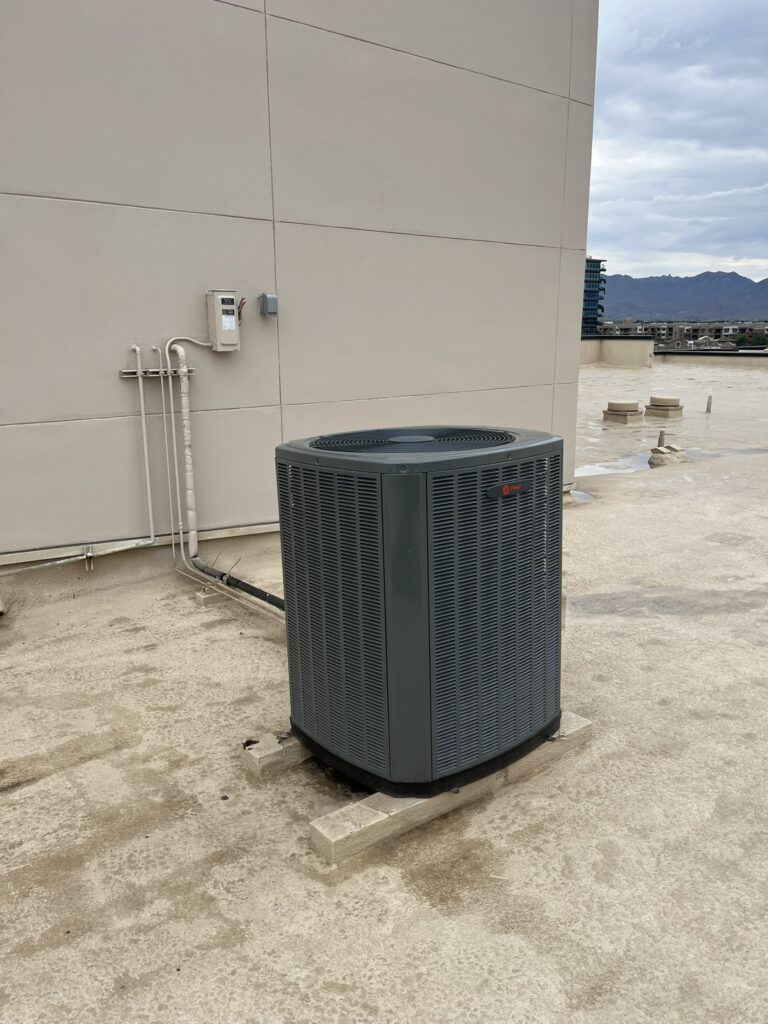
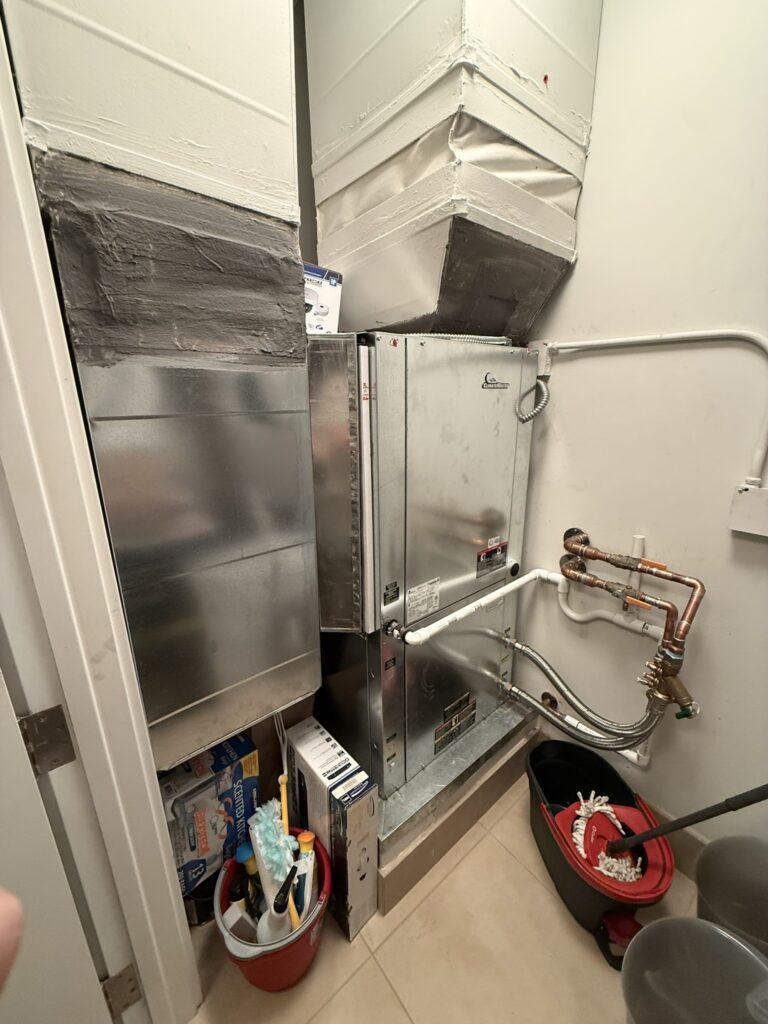
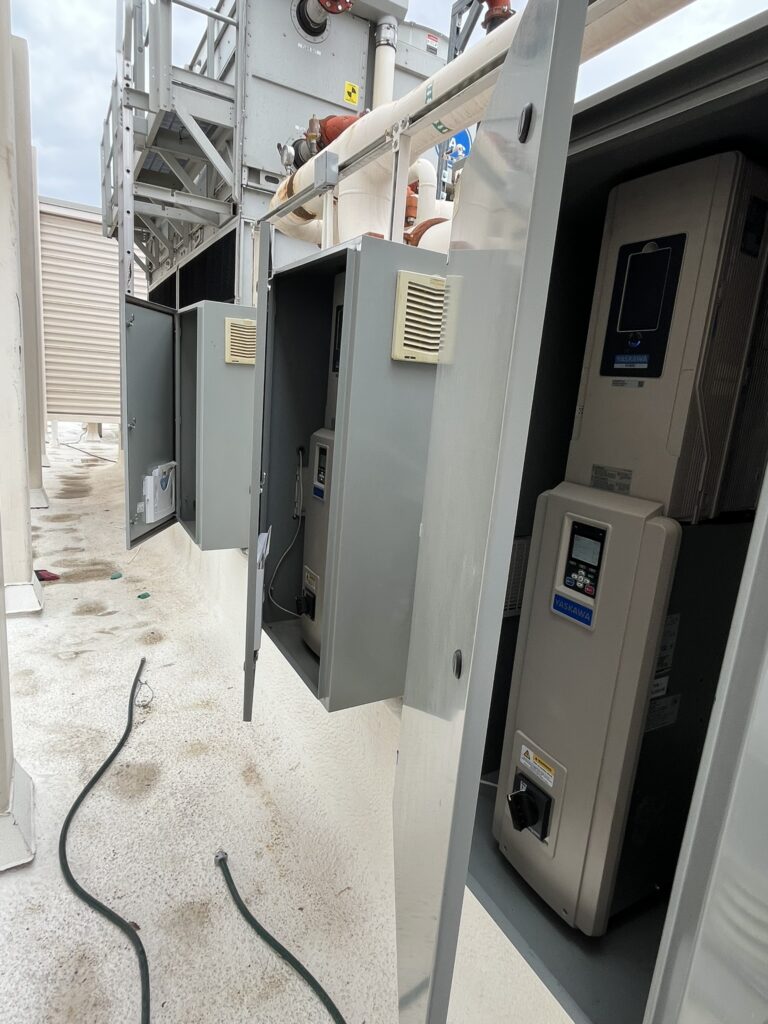
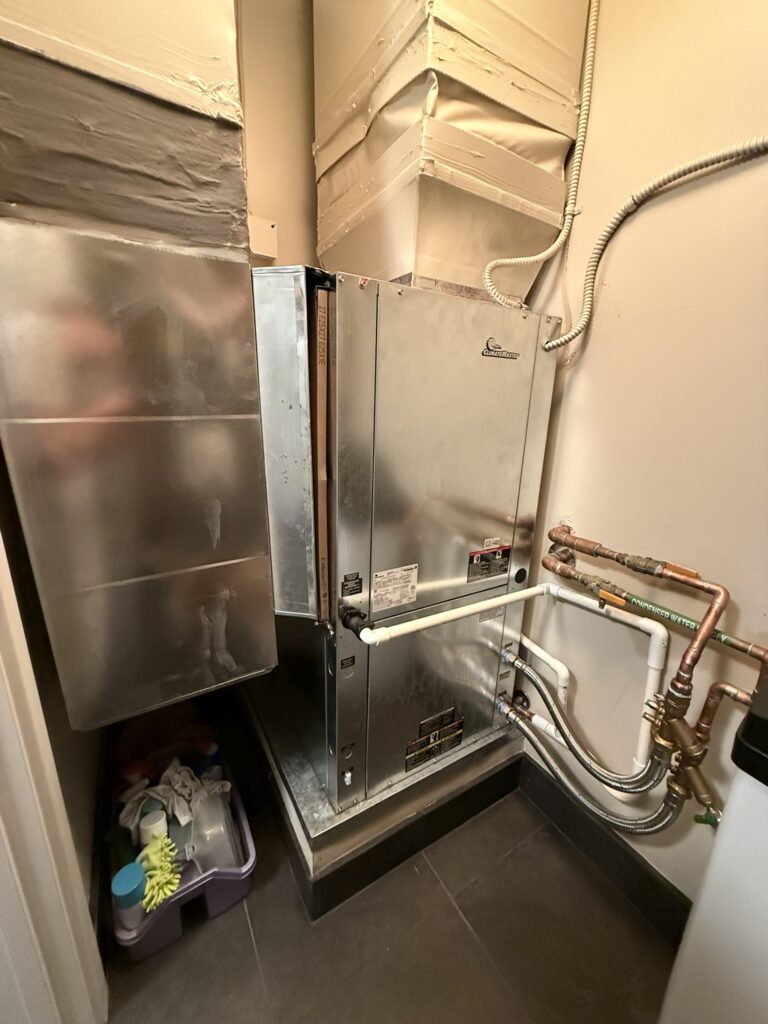
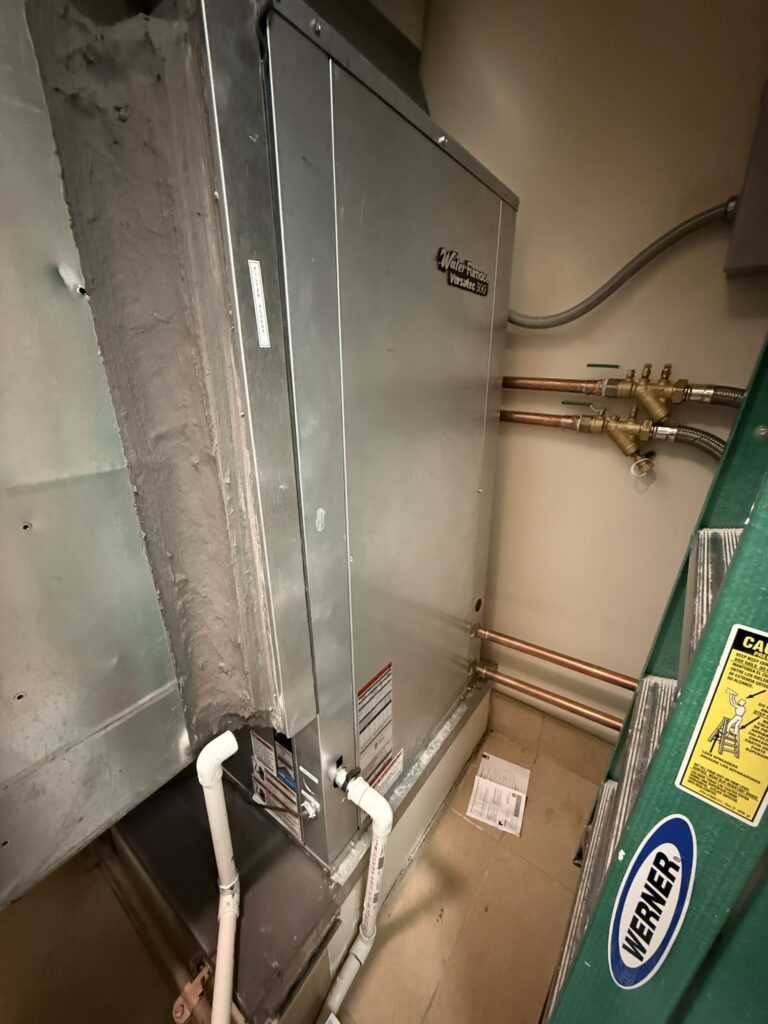
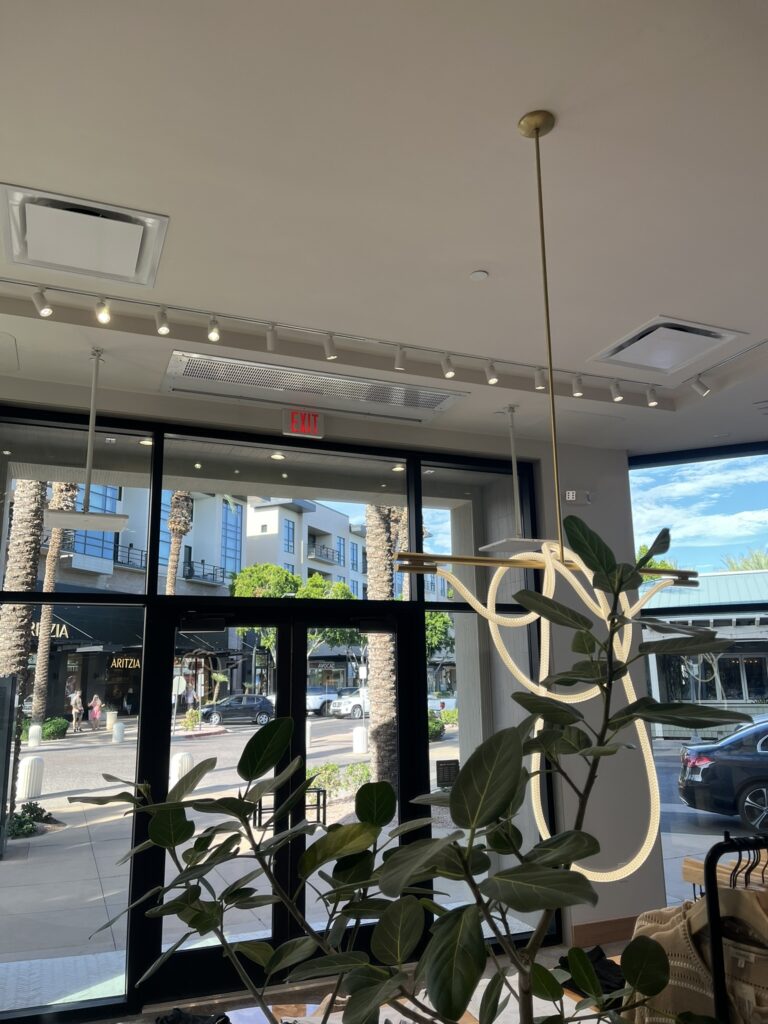
There’s a number every shop owner in the Valley knows without checking a thermometer: the temperature at which good technicians start returning recruiters’ calls. An uncooled metal building full of running engines, lit work lamps, and asphalt reflection will blow past 120°F inside by mid-afternoon in July, and no pay plan compensates for that. Auto repair shop HVAC in Phoenix is less about comfort than survival — keeping techs productive and on the payroll, keeping customers willing to wait instead of walking, and doing it with equipment choices that actually pencil on a garage’s margins. Yeti Pros designs, installs, and maintains that setup across the metro. Veteran-owned and operated, ROC #363372 and ROC #363423, and a real person answers (520) 556-8929 around the clock.
Shop heat is a turnover machine
In a market where experienced techs pick their employer, a bearable shop floor is a recruiting line item. Cooling is the cheapest retention tool a Phoenix garage can buy, priced against what one empty bay costs you per week.
Evaporative cooling: the workhorse for open-bay shops
A shop with bay doors open all day can’t hold refrigerated air, and the tonnage it would take to try costs more to install and run than most garages clear in a good month. We won’t quote you that, because you’d fire us later and you’d be right to. What functions in desert humidity is evaporative cooling: roof- or wall-mounted evap units pushing large volumes of cooled air down into the work zones, dropping the air moving across your techs by a margin you feel the moment it switches on.
Pair that with high-volume fans that keep air moving over people rather than empty floor.
Aim the discharge where hands actually work.
Layer in cheap strategy — door discipline on the hot side.
Shade where shade is easy.
Relieving the superheated air trapped at the ceiling — and a shop floor goes from punishing to workable.
Evap earns its keep in this climate. The trade-off is upkeep, which we’ll get to below.
The refrigerated island: lobby, front office, parts room
The spaces worth refrigerating are the ones that close.
Your waiting area is where a customer decides whether the shop feels professional, and nobody approves a four-figure estimate faster in a lobby sitting at 88 degrees.
The front counter is where your writer grinds phones for ten hours.
The parts room protects inventory and the person counting it.
These rooms are small, sealable, and affordable to condition correctly, so we treat them as a refrigerated island inside the evap-cooled shop — right-sized refrigerated equipment, doors and pass-through windows that don’t bleed cold air into the bays, and prompt commercial AC repair when the lobby unit picks a Friday to quit.
Exhaust extraction and airflow: stop fighting your own systems
The Problem
Every vehicle running indoors needs its exhaust captured and thrown outside, and those extraction fans move serious air. So do your evap units. When nobody plans the two together, they fight — extraction depressurizes the shop and yanks your cooled air straight out the stack, or evap discharge sweeps across a bay in a way that shoves fumes toward the office door instead of the extraction inlet.
The Solution
Planned together, they cooperate: evap slightly pressurizes the building so air travels from clean zones toward the doors and capture points, carrying fumes along with it. When we lay out or correct shop airflow, the extraction system is on the drawing from the start, not a surprise discovered after the install.
Paint booths: what we handle and what we don’t
What We Don’t Handle
Spray-booth air systems — the booth’s own make-up air, filtration, and code compliance — are specialty finish-trade territory, and we don’t pose as that vendor.
What We Do Handle
Everything around the booth: the shop HVAC that has to coexist with a booth pulling enormous air volumes whenever it cycles, the make-up air balance for the rest of the building, and conditioning for the prep and mixing areas outside the booth envelope. If your booth contractor and your HVAC contractor have never spoken to each other, your building pressure is probably doing something strange every time the booth fires. We’re glad to be the vendor who coordinates.
Keeping evap alive: maintenance on a shop schedule
Evaporative cooling is cheap to run and demanding to keep — that’s the bargain you strike for cooling a building that won’t close. Valley water is hard, so mineral scale attacks pads, distribution troughs, and pumps every single season; the pads themselves are consumables; belts, bearings, and float valves live outdoors in the same sun as everything else on the roof. A neglected evap unit degrades so gradually that the shop just gets hotter without anyone connecting cause to effect — until somebody finally climbs up in July and finds pads that quit contributing back in May.
We run pre-season startups.
Mid-summer checks during the brutal months.
Fall shutdowns as part of scheduled commercial maintenance, with each visit documented so you know exactly what was replaced and what’s due next.
When it breaks in the wrong month
Cooling failures in a garage never wait for shoulder season, and a shop that crosses into intolerable territory starts sending techs home — hours off the board you never recover. Some Valley shops shift to dawn starts in summer for exactly this reason, and even that only works if the equipment holds up through the morning push.
Our emergency line reaches a live dispatcher at any hour.
The service-call fee is stated before dispatch and credited toward the repair you approve.
Every quote is flat-rate and written before a panel comes off.
Shops carrying a maintenance agreement jump the queue during the exact weeks the whole Valley is calling at once.
How we work with Phoenix shops
Independent garages, franchise service centers, tire and lube stores, fleet maintenance floors — the terms stay the same across the metro, from Mesa to Glendale to Queen Creek.
Refrigerant work is performed by EPA 608-certified technicians with paperwork you can keep.
Every repair and install clears the bar set by the Arizona ROC’s Minimum Workmanship Standards.
Shop accounts run through our commercial HVAC side.
Because this company is veteran-owned and the trades are full of people who served, there’s a 10% military, veteran & first responder discount your techs can put toward HVAC service at their own homes.
Auto repair shop HVAC questions we hear around Phoenix
Is refrigerated AC ever worth it for the bays themselves?
Only when the doors close. An enclosed diagnostic room, alignment bay, or EV service area can justify refrigerated air because it holds what you pay for. Open bays can’t, and we’ll say so in the quote rather than sell tonnage that blows out the door.
How much cooler will evap actually make the shop?
In dry weather the difference is dramatic and immediate wherever the airflow reaches. During monsoon humidity, evap loses ground — that’s when circulation fans and airflow strategy carry more of the load. We design for both conditions instead of quoting you the best-case day.
Our old swamp cooler barely blows cool anymore. Repair or replace?
Usually it’s scale, spent pads, or a tired pump — cheap fixes against the cost of a new unit. We assess it, quote both paths flat-rate in writing, and tell you when the cabinet itself has rusted past saving.
Exhaust fumes keep drifting into our office. Can you fix that?
Very likely — that’s an air-balance problem, not a mystery. We measure how your extraction, evap, and door openings interact, then correct pressurization so airflow moves fumes toward capture points instead of toward people.
Can you put real AC in just the waiting room and office?
Yes, and it’s one of the highest-return moves a shop can make. Small, correctly sized refrigerated equipment for the enclosed rooms, isolated from the bays, quoted flat-rate before installation starts.
What maintenance schedule does a shop actually need?
For evap: startup before the heat, at least one mid-season service, and a proper winterization. Refrigerated equipment for the lobby and office follows a conventional commercial cadence. Dusty lots and gravel drives shorten every interval — we set the schedule off your site, not a template.
Do you work around our bay schedule?
Yes. Rooftop and evap work rarely interrupts the floor at all, and anything disruptive gets scheduled early, late, or around your slow day. Emergencies are handled whenever they hit, with a person answering the phone every time.
We lease the building. Who handles the HVAC bill?
Your lease decides — many shop leases push maintenance and even replacement onto the tenant. We document equipment condition in writing either way, which gives you the paper you need for any conversation with the landlord.
Keep your techs on the floor and off the job boards — call (520) 556-8929 for shop cooling across the Phoenix metro, veteran-owned, ROC #363372 · ROC #363423.
Permits and inspections
Most repairs are ordinary service work; bigger scopes can involve city permitting. We perform our work to code, pull the permits our scope requires, and put what we did in writing.
What's covered
Workmanship is covered for two full years, in writing, and repair parts carry a 1-year manufacturer parts warranty — we document installs and repairs so those claims stay simple to make
Why a licensed HVAC contractor matters.
Commercial HVAC, industry by industry.
Every major brand, serviced and installed.



Phoenix metro: Most days a tech is already working somewhere in the Valley, so same-day appointments happen when the schedule allows. After-hours emergencies are dispatched when a licensed tech is available — a real person answers and tells you the ETA on the call.
Call (520) 556-8929Request an estimate.
No pressure, no door knockers. We look at the HVAC system, tell you what it needs (and what it doesn’t), and put the number in writing.