
Phoenix Metro
HVAC for Cannabis Facilities in Phoenix.
- (520) 556-8929
- Serving the entire Phoenix metro — we come to you
- Office: Mon–Fri 8:00 AM – 5:00 PM · 24/7 emergency service
- 2-year workmanship warranty · 1-year parts warranty
- Veteran-owned & operated · residential + commercial
- 23 five-star Google reviews
Commercial jobs we have documented.
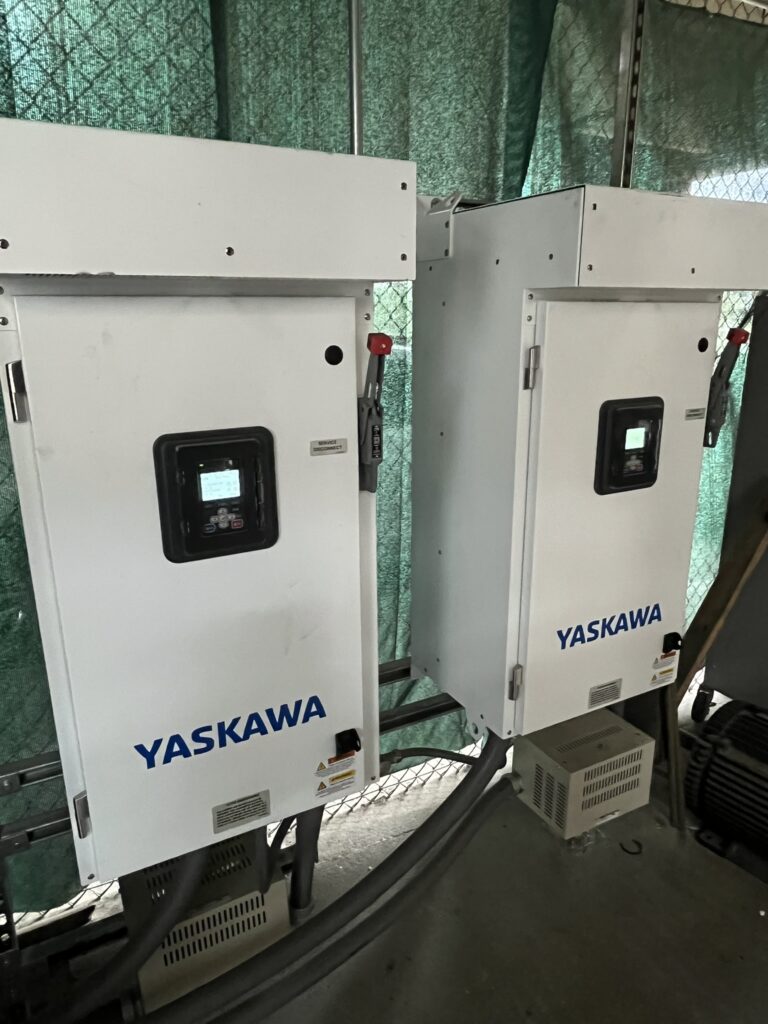
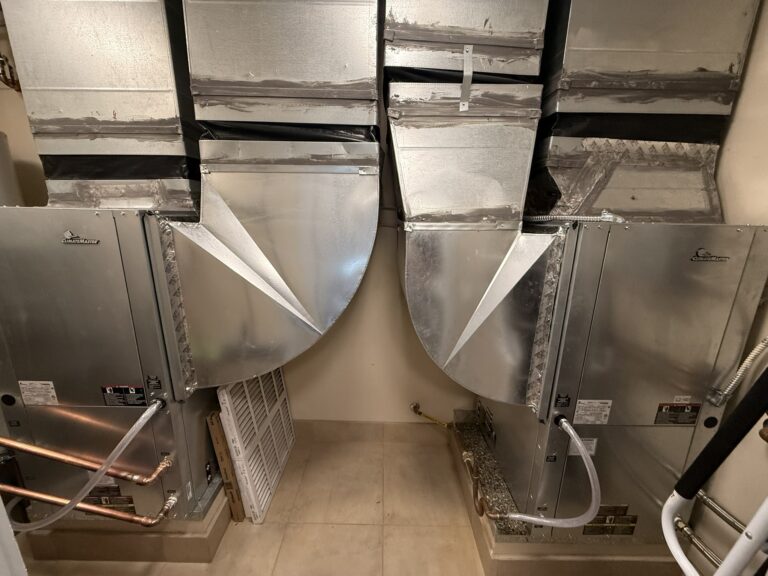
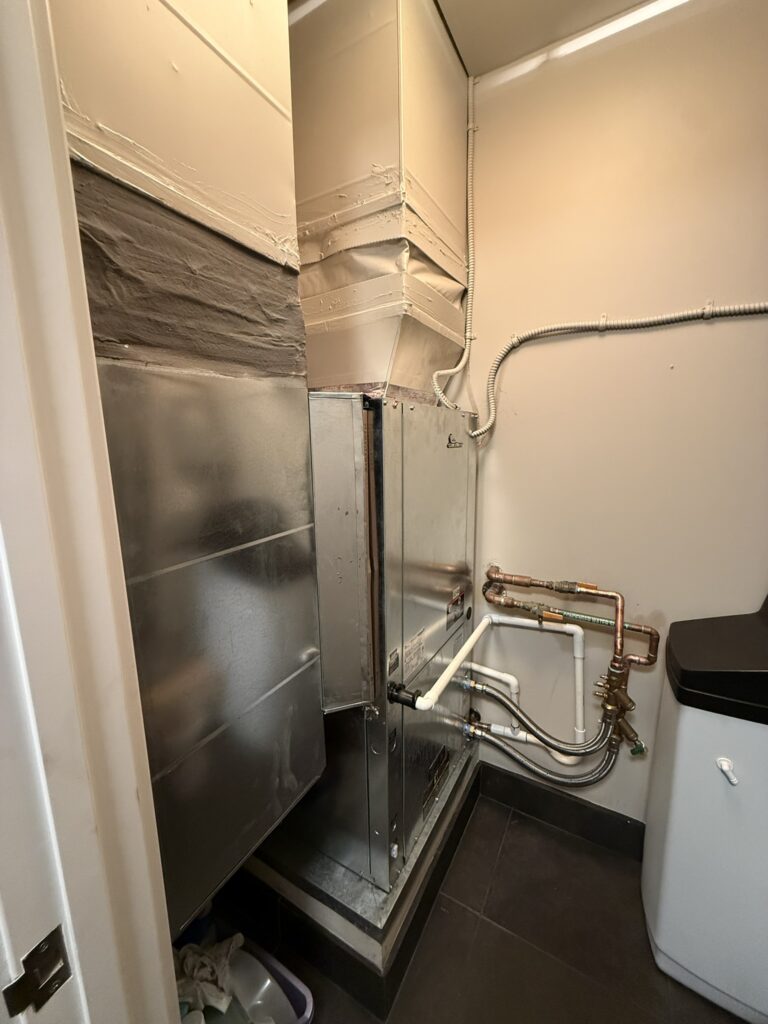
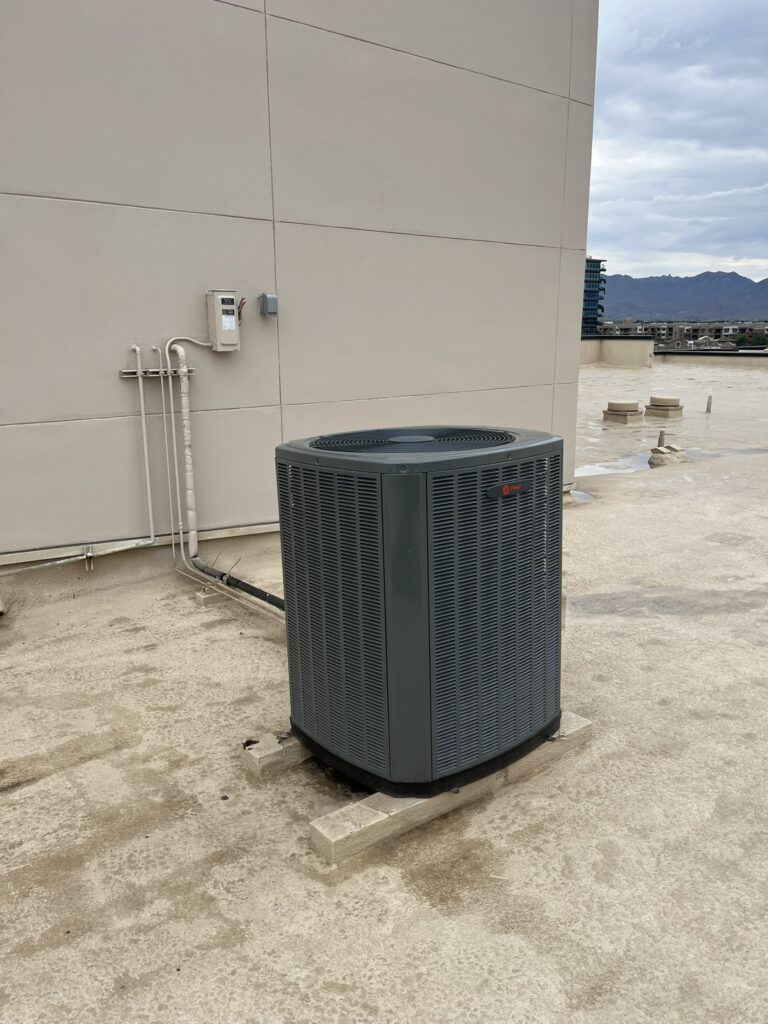
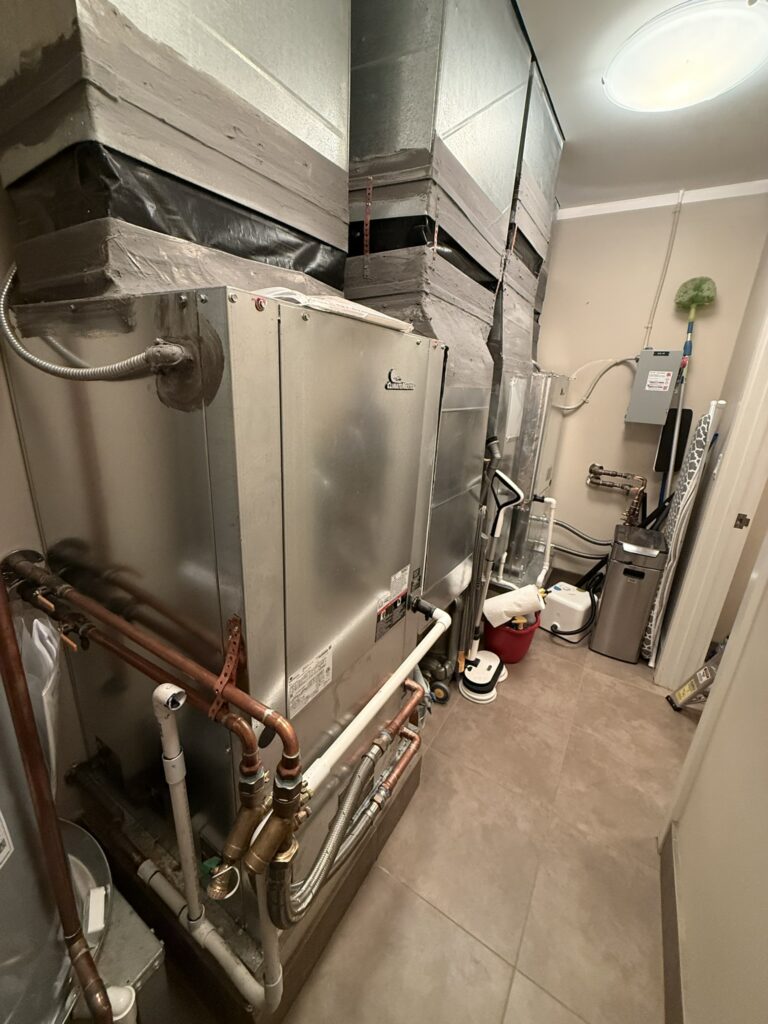
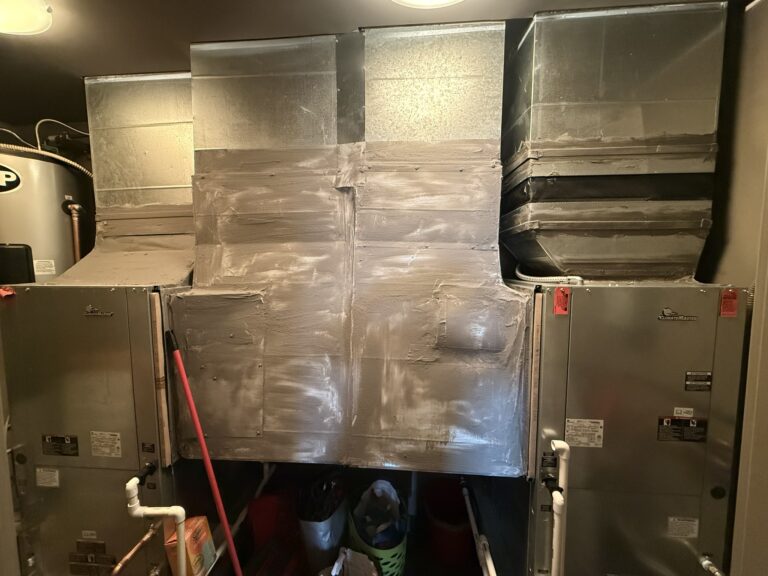
Photos from our own commercial projects — equipment we installed, in buildings we serviced.
In a grow facility, the mechanical system isn’t overhead — it’s crop insurance. Cannabis grow HVAC in Phoenix carries the whole harvest on its shoulders: a few degrees of drift or a weekend of runaway humidity can take months of work and an entire flower room’s value off the table, and the desert outside offers no forgiveness while it happens.
Why Yeti Pros for Phoenix Grow HVAC?
Yeti Pros services cultivation facilities, processing spaces, and dispensaries across the Phoenix metro with the urgency growers actually need.
We’re veteran-owned and operated, licensed under ROC #363372 and ROC #363423.
Our technicians carry EPA 608 certification.
(520) 556-8929 reaches a real person at 3 a.m. on a Sunday — because that’s when grow rooms pick their moments.
VPD in plain language: what your plants feel
Growers talk about vapor pressure deficit, and beneath the jargon sits a simple idea: VPD measures how thirsty the air is.
Warm, dry air pulls water out of leaves aggressively; cool, damp air barely pulls at all. Plants drink, feed, and grow at the rate that pull sets.
Temperature and humidity stop being two separate dials and become one combined target that shifts by growth stage — gentler for clones and veg, more assertive in flower.
For the HVAC system, that means holding a coordinated window, not just a thermostat number. A room at the “right” temperature with the wrong humidity is still the wrong room.
We tune cooling and dehumidification to move together, because the plant only ever experiences them together.
Documentation habits and the weekend that costs a harvest
Licensed facilities live under documentation expectations, and while your compliance team owns the regulatory specifics, your mechanical contractor should make their job easier.
Our Audit-Ready Service Records Include:
Written flat-rate quotes before work begins.
The service-call fee disclosed upfront and credited to the repair.
Refrigerant handling logged by EPA 608-certified technicians.
Our workmanship warranted in writing on top of Arizona’s ROC Minimum Workmanship Standards.
Emergency Response & Priority Service:
The stakes justify the rigor: a dehumidifier that dies Friday night in week six of flower can end a harvest by Monday. That’s why growers get:
Maintenance contract holders ride the front of the dispatch queue.
We support cultivation sites across the whole metro under our commercial HVAC operation — and the veterans who run many of them use our 10% military, veteran & first responder discount on their own homes.
Dehumidification: the flower-stage arms race
Every gallon of water your irrigation puts in eventually comes back out through the leaves, and a flower room in late weeks transpires at rates that shock people who haven’t measured it. All of that moisture must be removed mechanically.
Common Dehumidification Challenges:
In a sealed room, the air conditioning alone can’t keep up, especially during lights-off hours when cooling load vanishes but the plants keep breathing into cool, saturating air.
Undersized dehumidification is the single most common design failure we find in Valley grows, and it hides until the first full canopy hits peak transpiration.
Monsoon season adds a wrinkle of its own: makeup and infiltration air that arrived desert-dry in May shows up loaded in August, and marginal systems that coasted through spring quietly fall behind.
Our Dehumidification Solutions:
We size dehumidifier capacity against actual irrigation volume and plant load.
We verify condensate drainage that won’t flood a room.
We treat lights-off humidity as its own design case rather than an afterthought.
Sealed rooms, CO2, and the ventilation tension
Modern grows run sealed and CO2-enriched: keep the room closed, raise CO2 well above outdoor levels, and photosynthesis accelerates. But sealing a room to hold expensive gas puts it in direct tension with everything ventilation normally does.
The Ventilation Dilemma:
Ventilation normally exhausts heat, purges humidity, and dilutes odors, which conflicts with holding expensive CO2 gas.
Open a damper at the wrong moment and you vent your CO2 budget to the parking lot.
Keep everything closed and heat and moisture have nowhere to go except through the mechanical systems.
Our Engineered Controls:
Getting this right is a controls conversation as much as an equipment one:
Enrichment interlocked with occupancy for safety.
Exhaust sequences that don’t fight the dosing schedule.
Monitoring that tells you when the balance breaks.
We commission sealed-room systems so the compromise is engineered, not accidental.
Mold and powdery mildew are environment problems first
Botrytis and powdery mildew don’t invade healthy rooms at random — they exploit specific environmental openings.
Environmental Invitations for Pathogens:
Condensation on cold supply ducts.
Dead-air pockets deep in a dense canopy.
Humidity spiking every night at lights-off.
A room that swings temperature fast enough to hit dew point on the coldest surface.
Durable Environmental Answers:
The durable answer is environmental, not chemical — no spray regimen outruns a room that keeps handing the pathogen its favorite conditions.
Airflow that moves through the canopy instead of over it.
Dehumidification that flattens the lights-off spike.
Insulated ductwork that doesn’t rain.
Tight temperature transitions between photoperiods.
When a grow fights recurring mildew, we look at the environmental logs before anything else, because that’s where the door was left open.
HPS versus LED: the heat math moved
Lighting drives more of a grow’s mechanical design than any other choice. The shift from HPS to LED fundamentally changes the heat and moisture balance.
HPS Fixtures
High-pressure sodium fixtures throw enormous sensible heat. HPS-era rooms got big cooling and modest dehumidification — the AC ran constantly and wrung moisture out as a side effect.
LED Fixtures
LED flips the ratio: less heat per unit of light means the cooling loafs, which means far less incidental moisture removal while the plants transpire just as hard.
The Conversion Challenge:
Facilities that swap HPS for LED without re-engineering discover their “oversized” AC now short-cycles while humidity climbs out of control.
Our Solution for LED Conversions:
If you’re converting, the mechanical plant needs to be redesigned around the new balance point — often less cooling, always more dedicated dehumidification. Our commercial installation team models the room around your actual fixture schedule before anyone buys equipment.
Odor control: the neighbor test
Nothing generates complaints, landlord friction, and unwanted attention faster than a facility a neighborhood can smell.
Elements of Effective Mechanical Odor Control:
Carbon filtration scaled to the actual exhaust airflow.
Negative pressure held at the building envelope so air leaks inward instead of outward.
Discharge points placed where plumes disperse rather than drift across the property line.
Maintenance for Lasting Odor Control:
Carbon beds also saturate on a schedule most operators underestimate — a filter that worked at commissioning is doing little a year later if nobody weighed the replacement interval. We fold filter loading, pressure relationships, and exhaust integrity into routine HVAC maintenance visits, so the answer to “can anyone smell it” stays no.
Dispensary comfort is its own scope
The retail side of the industry has none of the grow room’s exotic loads and all of ordinary retail’s stakes. A dispensary that’s stuffy at 4 p.m. loses sales exactly like any storefront.
Dispensary Comfort Zones & Challenges:
Customers queuing at security.
Budtender stations under display lighting.
Vestibules opening to summer sidewalks.
Back-of-house vaults and inventory rooms with their own setpoints.
Its rooftop units fail like any storefront’s, usually during the hottest week of the quarter.
Our Priorities for Dispensary HVAC:
We service dispensary comfort as a distinct scope with distinct priorities:
Fast commercial AC repair during business hours.
Quiet operation on the sales floor.
Equipment planning that respects the security constraints dispensaries build around every roof hatch and mechanical room.
Grow facility HVAC questions we hear in the Valley
Our flower room humidity spikes every night after lights-off. Why?
When lights drop, cooling load disappears, the AC stops running, and its incidental moisture removal stops with it — while transpiration continues into cooling air. The fix is dedicated dehumidification sized for the lights-off case, not more air conditioning.
We switched to LED and now the room won’t hold humidity targets. What happened?
LED cut your sensible heat, so the AC runs far less and no longer wrings out moisture as a byproduct. The plants transpire the same. The mechanical balance has to be redesigned — typically with substantially more dehumidifier capacity.
Can you explain VPD without the physics lecture?
It’s how thirsty the air is. Temperature and humidity together set how fast plants release water and take up nutrients. Managing VPD means steering both dials as one target that changes by growth stage — which is an HVAC controls job.
Does running CO2 enrichment change how our ventilation should work?
Fundamentally. Enriched rooms run sealed, so exhaust that would normally purge heat, moisture, and odor now costs you gas every time it opens. Controls have to sequence enrichment, exhaust, and safety interlocks deliberately — bolted-together systems fight each other.
We keep getting powdery mildew despite a strict spray program. What are we missing?
Probably the environment. Recurring mildew almost always traces to condensation, canopy dead zones, or nightly humidity spikes handing the pathogen its preferred conditions. Pull the environmental logs; the opening is usually visible in the data.
What happens if our dehumidifier fails over a weekend?
Call the moment your monitoring flags it — a live person answers around the clock, and flower rooms get priority. Until we arrive, drop irrigation volume and keep air moving; slowing the moisture input buys time. Speed decides whether it’s a repair story or a crop loss.
Do you also handle our dispensary, or only cultivation?
Both, as separate scopes with separate priorities. Retail comfort, rooftop equipment, and back-of-house rooms on the dispensary side; environmental control on the cultivation side; one contractor and one number across the operation.
Protect the harvest before the room drifts — call (520) 556-8929 for grow facility HVAC across the Phoenix metro, veteran-owned, ROC #363372 · ROC #363423.
Permits and inspections
Most repairs are ordinary service work; bigger scopes can involve city permitting. We perform our work to code, pull the permits our scope requires, and put what we did in writing.
What's covered
Workmanship is covered for two full years, in writing, and repair parts carry a 1-year manufacturer parts warranty — we document installs and repairs so those claims stay simple to make
Why a licensed HVAC contractor matters.
Commercial HVAC, industry by industry.
Every major brand, serviced and installed.





Phoenix metro: Most days a tech is already working somewhere in the Valley, so same-day appointments happen when the schedule allows. After-hours emergencies are dispatched when a licensed tech is available — a real person answers and tells you the ETA on the call.
Call (520) 556-8929Request an estimate.
No pressure, no door knockers. We look at the HVAC system, tell you what it needs (and what it doesn’t), and put the number in writing.