
Phoenix Metro
HVAC for Government Buildings in Phoenix.
- (520) 556-8929
- Serving the entire Phoenix metro — we come to you
- Office: Mon–Fri 8:00 AM – 5:00 PM · 24/7 emergency service
- 2-year workmanship warranty · 1-year parts warranty
- Veteran-owned & operated · residential + commercial
- 23 five-star Google reviews
Commercial jobs we have documented.
Photos from our own commercial projects — equipment we installed, in buildings we serviced.
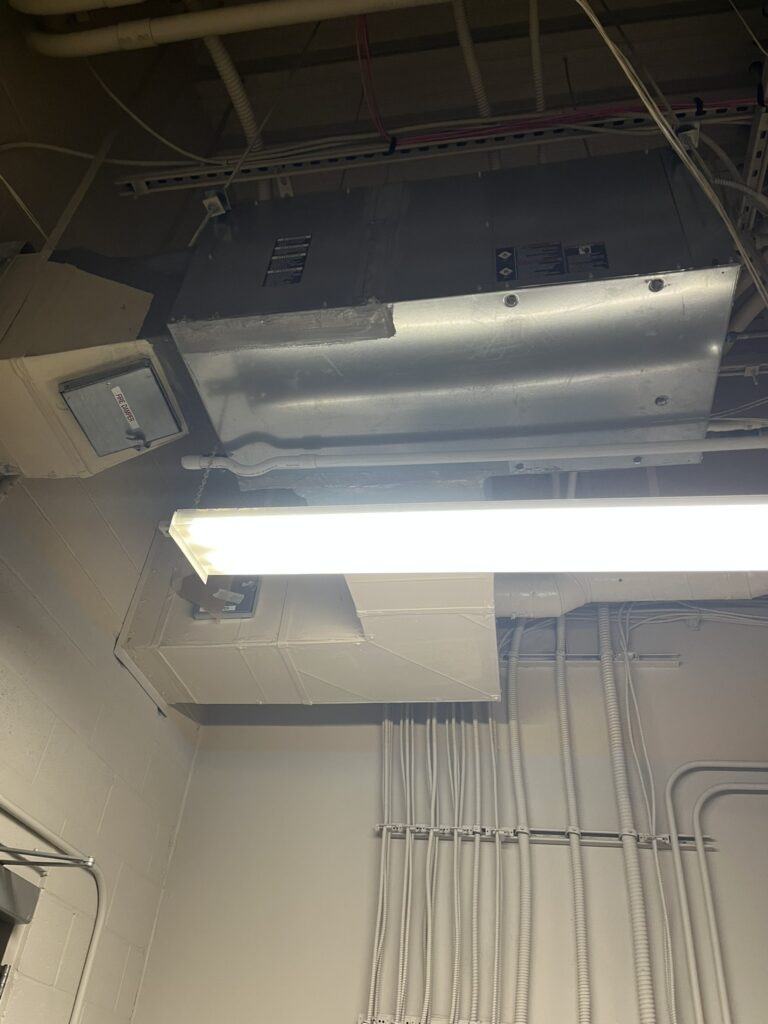
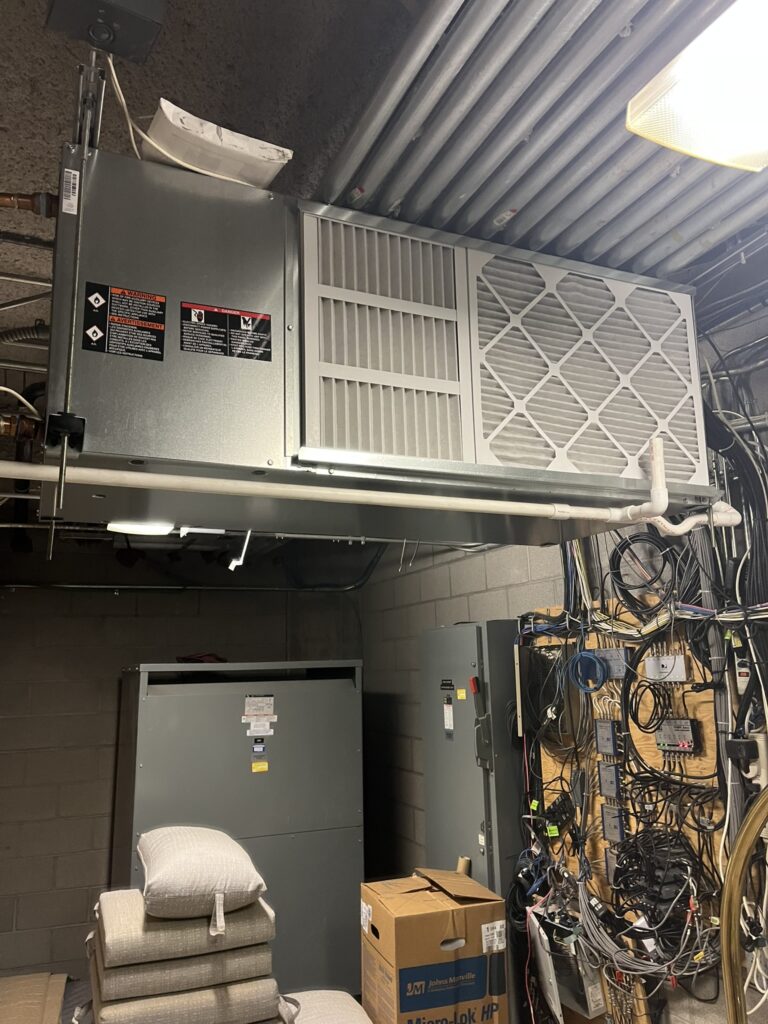
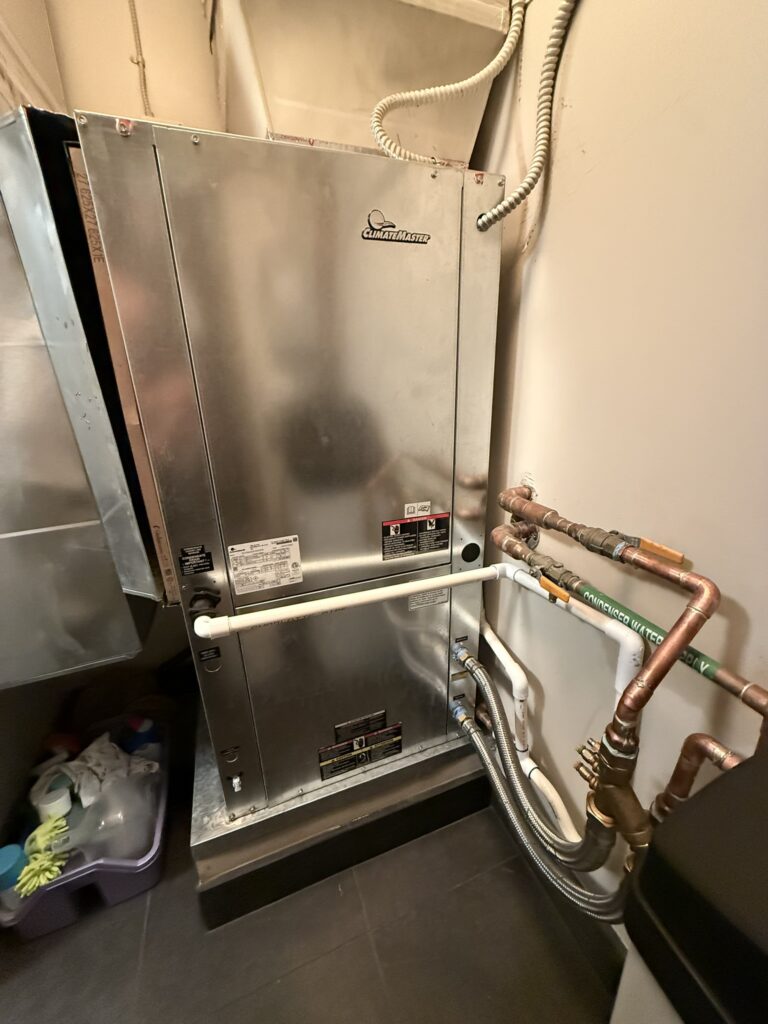
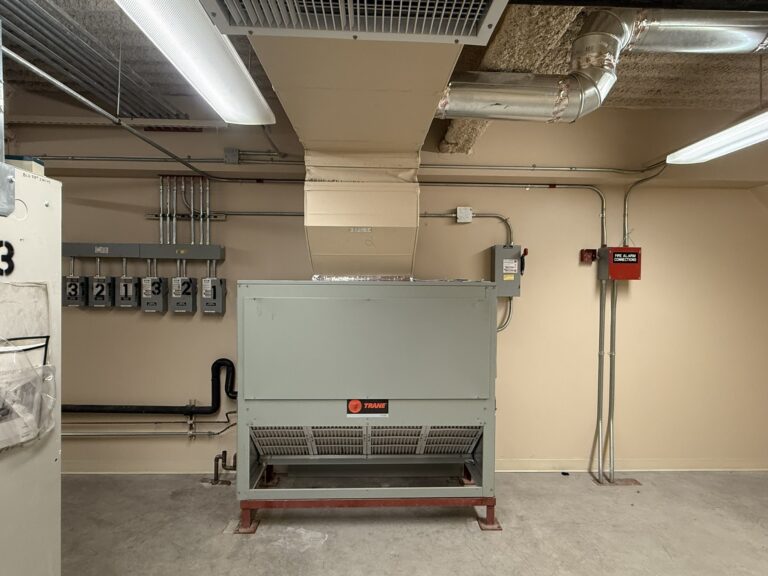
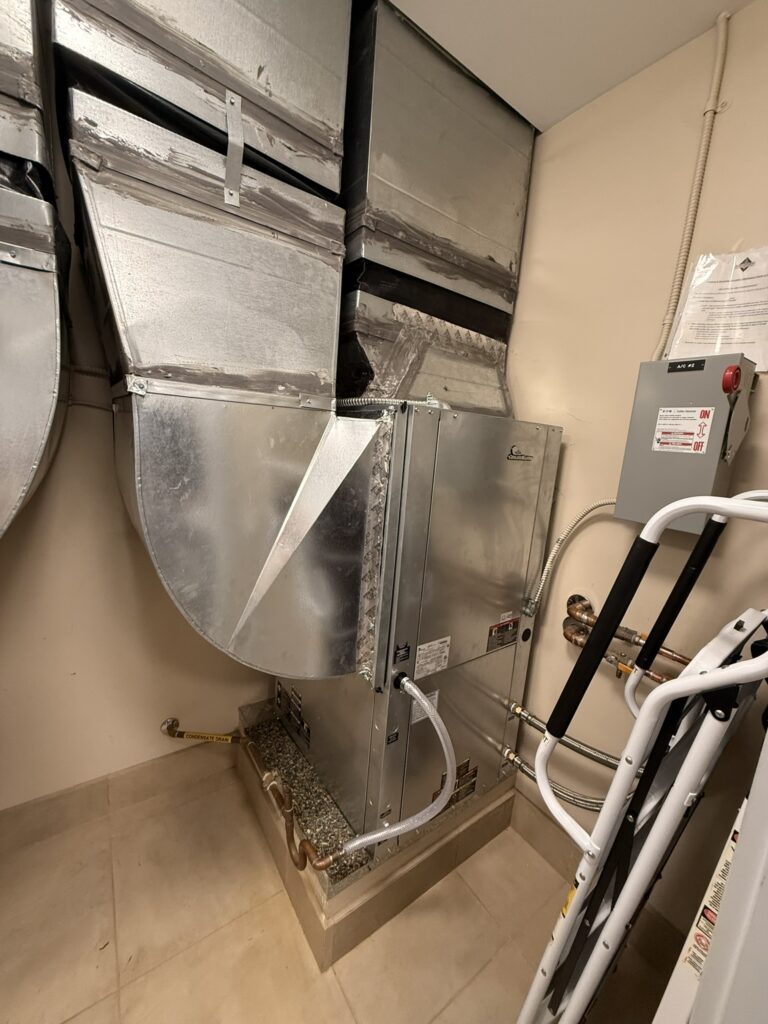
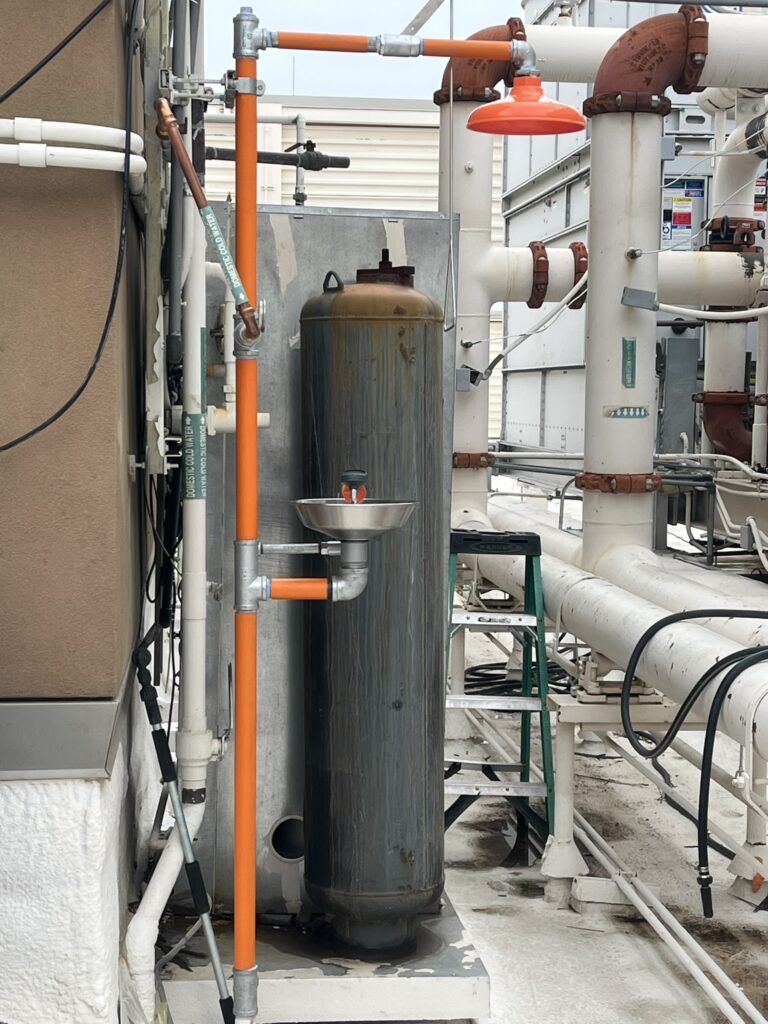
The Phoenix metro runs on hundreds of public buildings that most residents only think about when something inside them stops working — city halls, municipal courts, libraries, community and senior centers, permit counters, public-works facilities. Yeti Pros provides government building HVAC service across the Valley, with the procurement-ready paperwork, documented pricing, and scheduling discipline that public facilities work demands. We’re a veteran-owned and operated contractor licensed under ROC #363372 · ROC #363423, and a real person answers our line 24 hours a day at (520) 556-8929.
Public buildings can’t quietly close for the afternoon
A private office that loses cooling sends people home and writes off a bad day. A courthouse has a calendar of hearings with parties ordered to appear. A permit counter has contractors whose projects stall without a stamp. And a public library in a Phoenix summer is more than a library — it’s where residents without reliable cooling at home go to get through a 113°F week, a role several Valley jurisdictions formally recognize in their heat-relief planning. When a civic building’s cooling fails, the institution doesn’t merely lose comfort; it fails the exact residents with the fewest alternatives, on the exact days they need it most. That’s the standard we service these buildings against: continuity of a public function, not just uptime of a machine.
Courts, libraries, and counters each fail differently
Civic buildings aren’t interchangeable, and neither are their failure modes.
Combine strict schedules with security-controlled zones, where one dead air handler can idle multiple courtrooms and every continuance ripples through the docket for months.
Run some of the longest public hours in local government, with entry doors cycling all day and HVAC runtimes closer to retail than to office work.
Concentrate people in queues, where heat turns ordinary waits combative for the staff behind the glass.
Serve the residents least able to tolerate a hot building at all.
We plan service around what each building is for — because the consequence of downtime is set by the mission, not the square footage.
We do public-sector paperwork properly
Public money moves on documentation, and a vendor who treats that as friction makes everyone’s job harder. Our quoting and invoicing are built to survive procurement review:
That describe the work specifically enough for a purchase order — equipment, tasks, parts, exclusions.
Quoted in writing before work begins, with invoices that match the quote line for line.
Issued naming your entity as required, at the limits your risk office specifies.
We complete your jurisdiction’s onboarding, W-9s, and portal enrollment so paying us never becomes its own project.
We’ll be equally straightforward about what we’re not claiming: no existing government contracts, no certifications we don’t hold. What we offer is simpler — quoted work, competitive numbers, and paperwork a procurement officer can approve without a single follow-up email.
Veteran-owned, which your procurement reporting may care about
Procurement Reporting
Many public agencies track the participation of veteran-owned businesses among their vendors, and some weigh it in evaluations. Yeti Pros is veteran-owned and operated in plain fact — a data point your reporting can use however your policies direct.
Work Ethic & Employee Discount
The ownership shows up in the work itself, too: the habits public facilities managers value most — arriving when committed, executing to a written standard, documenting everything, owning errors — are the ones military service installs permanently. One more note for your workforce: public employees who served, and their military families, qualify for our 10% military, veteran & first responder discount on HVAC work at their own homes.
The Valley’s civic building stock is older than it looks
Behind renovated lobbies, much of the metro’s civic infrastructure dates to earlier eras — mid-century municipal buildings, courts and libraries from the 1970s and ’80s, additions grafted on across decades of bond cycles. The mechanical rooms tell the story: chilled-water plants past their design lives, boilers from another energy era, rooftop fleets of mixed vintages, controls three generations behind. We service the whole span — chiller repair, boiler service, and rooftop unit repair and replacement — and we’re realistic about triage: which assets deserve repair, which need a planned retirement, and how to phase capital requests across budget years so nothing forces an emergency appropriation in July.
Replacement on a budget cycle, not an emergency timeline
Public equipment replacement travels a longer road than a private-sector purchase — capital requests, approvals, sometimes a bond cycle — which makes early warning worth real money. Our maintenance visits produce condition grades and remaining-life estimates on every asset, written plainly enough to drop straight into a budget memo. That gives a facilities team what the process actually needs: the ability to request next year’s chiller money this year, schedule the change-out for mild months when cranes and equipment carry ordinary lead times, and sidestep the worst outcome in public facilities work — an emergency procurement in the middle of the summer the equipment chose for itself, at prices no one gets to negotiate.
Efficiency work that defends itself in a budget hearing
Energy-reduction goals for public facilities are increasingly common across jurisdictions, and even where no formal mandate applies, utility spend in an aging civic building is taxpayer money leaking through dirty coils. The unglamorous truth is that most public-building efficiency gains come from operations rather than gadgets: schedules matched to actual occupancy, setpoints managed instead of fought over, economizers that genuinely work, and planned maintenance that restores equipment to the efficiency it was purchased at. We flag utility rebate opportunities where they apply, and we give facilities staff measured before-and-after numbers that make an efficiency line item defensible in front of a council or board.
Documented like public money deserves
We write everything down on the assumption that anyone might eventually read it — a council member, an auditor, a records request.
Accompany every visit.
Are kept to EPA 608 requirements.
Record conditions found and corrections made.
Arrive in writing, separated clearly from work performed, so no one can blur the line between what we advised and what you approved.
Scheduled around courtrooms, counters, and council nights
Occupied public buildings set the schedule; we fit it. Loud or disruptive work moves to evenings and weekends. Courtroom-adjacent work respects the docket. We coordinate with building security wherever screening or escorts are required, and we plan around elections, council meetings, and the other immovable dates on a civic calendar. When equipment fails outright, our 24/7 emergency service responds with the urgency a building full of the public deserves.
How we work with public facilities teams
All of it runs through our commercial HVAC division: a service fee disclosed at booking and credited against the approved repair, flat-rate written quotes before any work begins, EPA 608-certified refrigerant handling, and a written warranty stacked on the Arizona ROC Minimum Workmanship Standards that bind every licensed contractor in Arizona. Facilities teams that want fewer emergencies and cleaner budget forecasting put their buildings on a planned maintenance agreement with consolidated condition reporting across sites.
Government building HVAC questions from Phoenix-area agencies
Can you register as a vendor with our jurisdiction?
Yes — send the requirements and we’ll complete the registration, W-9, insurance certificates, and portal enrollment your process calls for. We treat onboarding paperwork as part of the job, not a favor we’re doing you.
Can your quotes fit a purchase-order or multiple-quote process?
That’s how they’re built: written scope, itemized flat-rate pricing, and a format a procurement officer can attach to a PO without reformatting. If your process requires competitive quotes, ours will stand up beside anyone’s.
What do you need from us to produce a quote?
Access to the equipment and whoever knows its history. We walk the building, document what we find, and return a written scope with flat-rate pricing your procurement process can act on. The assessment findings are yours in writing whether or not you hire us.
Are you a certified veteran-owned vendor?
We’re veteran-owned and operated as a matter of fact, and we’ll document that however your registration process requires. We don’t claim certifications we don’t hold — if your agency needs a specific designation, ask us directly and we’ll tell you exactly where we stand.
A public building lost cooling in summer. How do you respond?
Call the line; a live dispatcher routes by severity, and an occupied public building in extreme heat is treated as the emergency it is. You get a documented flat-rate quote before repair, and if interim measures are needed to keep a counter or courtroom functioning, we’ll tell you honestly what’s possible.
Our chiller predates most of our staff. Repair or replace?
We assess it and give you both numbers in writing — repair cost against a remaining-life estimate, replacement cost with the efficiency gains — framed so it can go straight into a capital request. Old plants can often be kept honest for years with real maintenance; we’ll tell you when that stops being true.
Can you work in buildings with security screening?
Yes. We provide technician names in advance, follow escort and sign-in procedures, and schedule around court calendars and secure operations. Your building’s rules are the plan, not an obstacle to it.
Do you consolidate service across multiple buildings?
Yes — one agreement, one inspection calendar, and portfolio-level condition reporting across every facility you manage, which is exactly what budget forecasting needs from a mechanical vendor.
Public building, public standard. Call (520) 556-8929 for government building HVAC across the Phoenix metro — veteran-owned, ROC #363372 · ROC #363423.
Permits and inspections
Most repairs are ordinary service work; bigger scopes can involve city permitting. We perform our work to code, pull the permits our scope requires, and put what we did in writing.
What's covered
Workmanship is covered for two full years, in writing, and repair parts carry a 1-year manufacturer parts warranty — we document installs and repairs so those claims stay simple to make
Why a licensed HVAC contractor matters.
Commercial HVAC, industry by industry.
Every major brand, serviced and installed.
Phoenix metro: Most days a tech is already working somewhere in the Valley, so same-day appointments happen when the schedule allows. After-hours emergencies are dispatched when a licensed tech is available — a real person answers and tells you the ETA on the call.
Call (520) 556-8929Request an estimate.
No pressure, no door knockers. We look at the HVAC system, tell you what it needs (and what it doesn’t), and put the number in writing.