
Phoenix Metro
HVAC for Server Rooms in Phoenix.
- (520) 556-8929
- Serving the entire Phoenix metro — we come to you
- Office: Mon–Fri 8:00 AM – 5:00 PM · 24/7 emergency service
- 2-year workmanship warranty · 1-year parts warranty
- Veteran-owned & operated · residential + commercial
- 23 five-star Google reviews
Commercial jobs we have documented.
Photos from our own commercial projects — equipment we installed, in buildings we serviced.
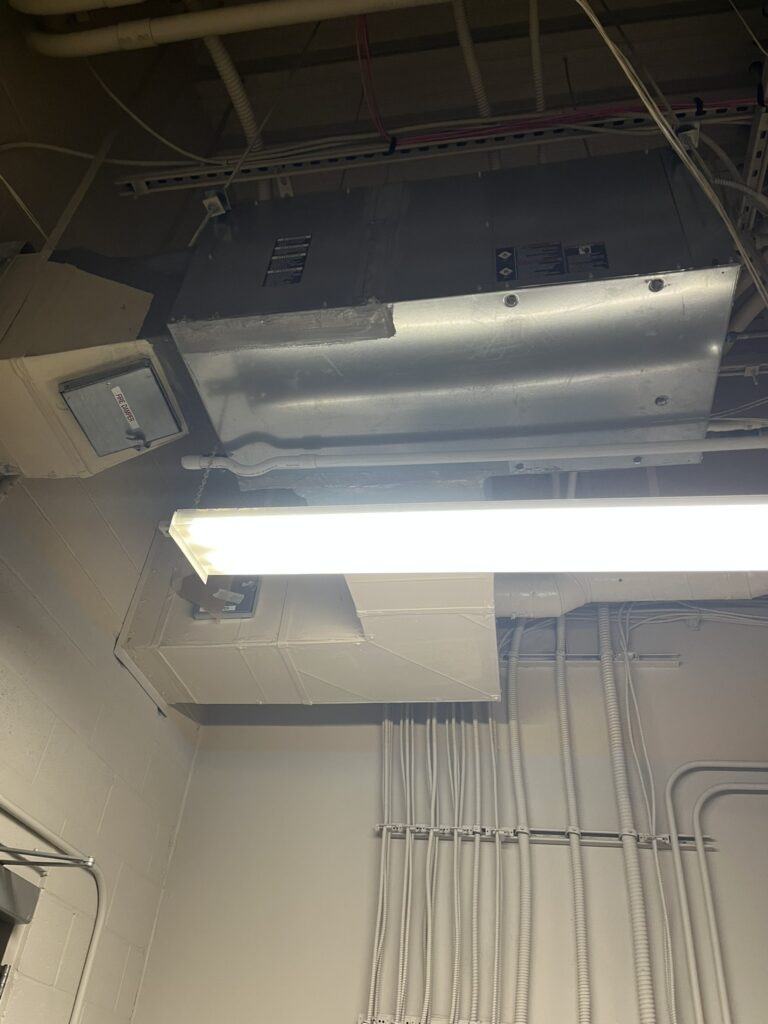
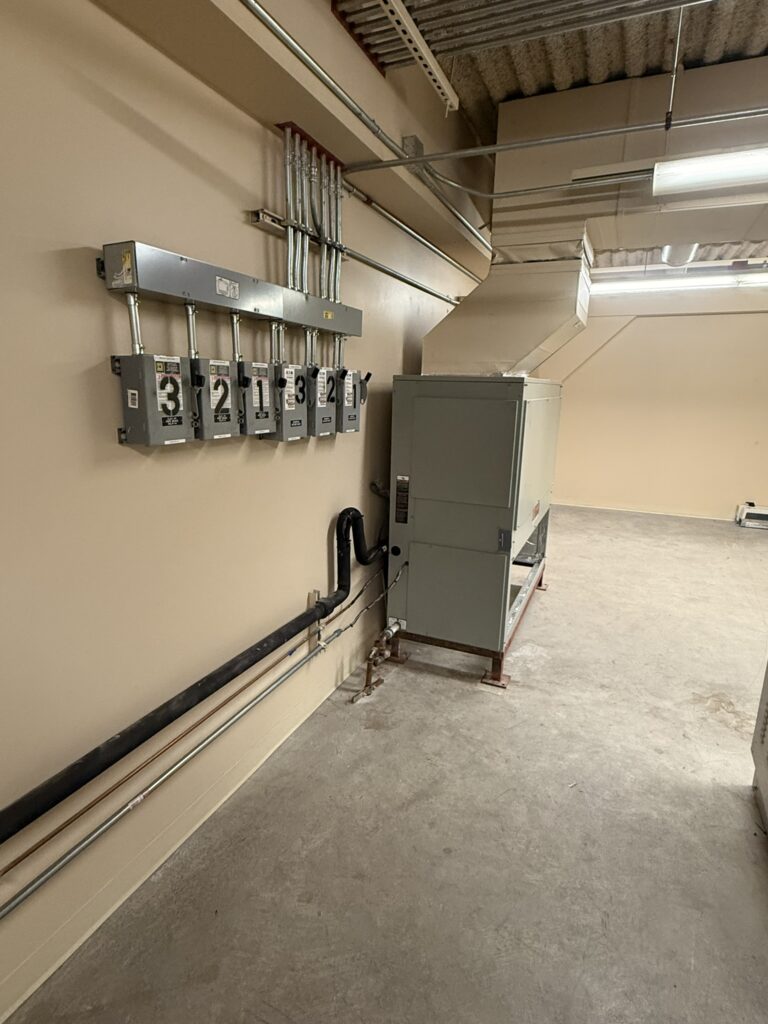
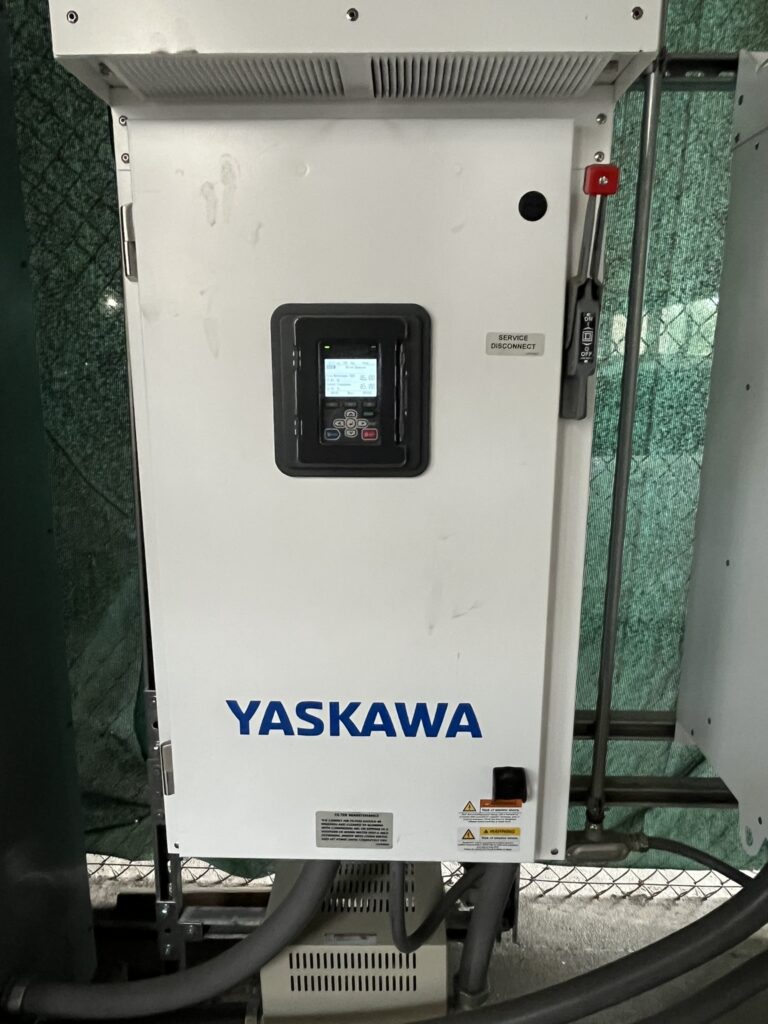
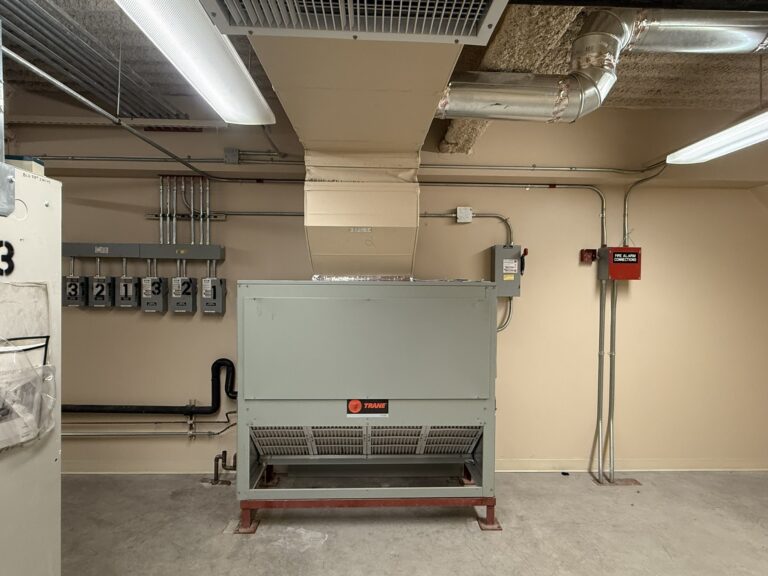
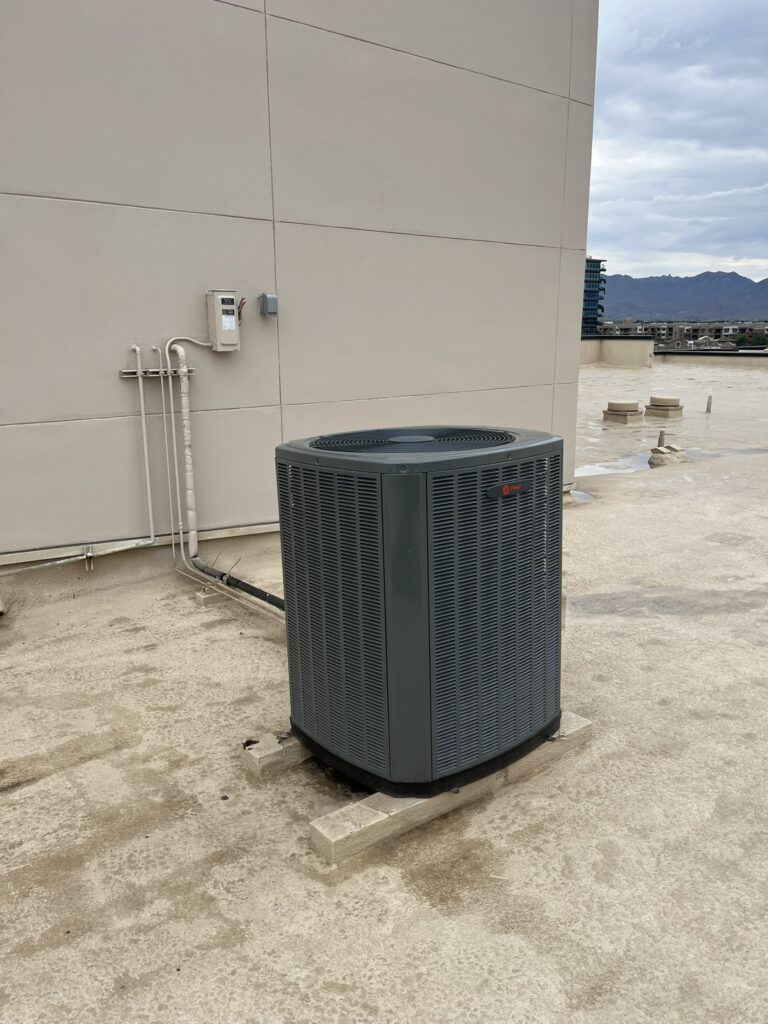
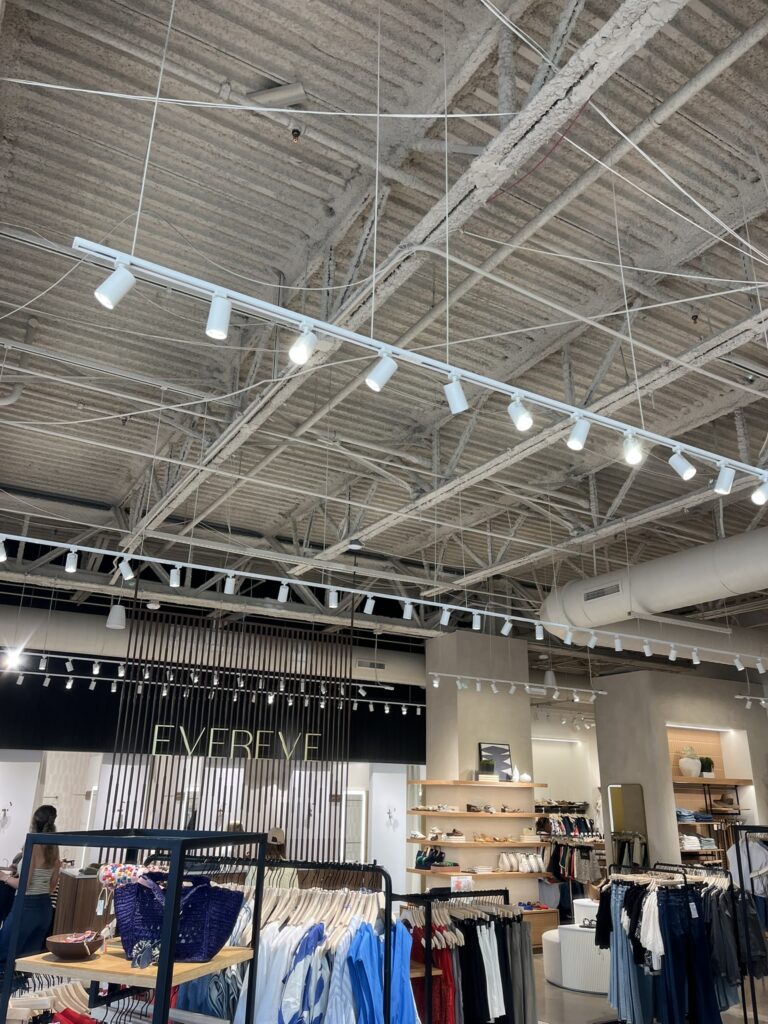
Somewhere in almost every Phoenix business — behind the break room, off the back hallway, in a converted storage closet — sits the small room that runs the company. The servers, the switches, the phone system, the security DVR, the backups. Nobody thinks about it until the day it hits 95°F and everything starts throttling, rebooting, or dying. Yeti Pros handles server room HVAC in Phoenix and across the metro: dedicated cooling for IT closets and small server rooms, emergency response when a space overheats, and the fixes that keep it from happening twice. Veteran-owned and operated, ROC #363372 · ROC #363423, with a live human on (520) 556-8929 around the clock.
The closet nobody budgeted for
Most Valley server rooms were never designed. The company grew, equipment accumulated, and a storage closet slowly became mission-critical infrastructure — with the same ventilation it had when it held office supplies.
A closet full of running electronics generates heat constantly, in a sealed box, with no windows and often no dedicated air supply at all.
The equipment inside might be worth more than every vehicle in the parking lot, and the data on it might be worth more than the building.
Treating that room’s cooling as an afterthought is the single most common IT infrastructure mistake we see in the metro, and it’s also one of the cheapest to fix properly.
The 6 p.m. failure: why server rooms die on nights and weekends
The classic Phoenix server-room disaster follows a schedule.
The building’s comfort cooling runs during business hours, and the closet coasts along borrowing cold air from the offices around it.
At 6 p.m. the building system sets back or shuts off — and the closet keeps generating the same heat with nothing removing it.
By midnight it’s cooking.
By Saturday afternoon in July, with the building sealed and the attic overhead radiating like an oven lid, the room can climb far past what any manufacturer warranty tolerates.
Monday morning brings dead drives, crashed servers, and an emergency call.
If your IT room depends on the building schedule, it is not protected; it’s just lucky, and Phoenix summers eventually collect on luck.
The standard fix: dedicated cooling on its own schedule
The proven answer for most small server rooms is a dedicated ductless mini-split system: a compact indoor unit mounted high on the wall, a small outdoor condenser, and a refrigerant line between them.
It cools only that room, runs independently of the building system, and operates around the clock without argument.
It sips power compared to conditioning the whole floor after hours.
Sizing matters more than brand — the unit has to match the actual electrical load in the racks, not the square footage of the closet. Our commercial installation team handles the load calculation, equipment selection, electrical coordination, and condensate routing as one written, flat-rate scope, so the room comes out protected instead of merely equipped.
Right-sizing: small rooms punish guesswork
Undersized Unit
The room creeps hotter every time you add a server.
Oversized Unit
The system short-cycles — starting and stopping constantly, wearing out its compressor, and controlling temperature poorly.
Getting it right means adding up what’s actually in the racks: server nameplate draw, network gear, UPS losses, and a sane allowance for the equipment IT will inevitably add next year. We also look at what surrounds the room — an exterior west wall or an uninsulated ceiling below a Phoenix attic can add a surprising slice of load that a rack inventory alone would miss. Ten minutes of arithmetic up front beats years of a system that never quite behaves.
Condensate: the water hazard hanging over your equipment
Every cooling unit wrings moisture out of the air, and that water has to go somewhere. In a server room, “somewhere” is frequently a drain line routed above or beside the most expensive electronics in the building. A clogged drain, a failed condensate pump, or a sagging line can put water onto live equipment — a failure mode that turns a cooling problem into an insurance claim.
We route drains away from rack positions wherever the geometry allows.
We install float switches that shut the unit down before an overflow.
We add secondary containment where the layout forces a line overhead.
We test the pump on every maintenance visit.
Water and servers get no second chances with each other.
Temperature alarms: the cheapest insurance in IT
A basic networked temperature sensor costs less than a single hard drive and buys you the one thing that matters in an overheating room: time. When an alarm fires at 1 a.m., the playbook is simple.
Prop the door, point a fan in, and shut down non-essential equipment to cut the heat source.
Call for service before the temperature reaches shutdown territory, because a cooling failure caught at 85°F is a repair while one discovered at 105°F is a recovery.
Our emergency line is answered by a person at any hour, and small dedicated units are usually a fast diagnosis: failed capacitor, lost charge, tripped breaker, or a clogged drain that tripped the float switch.
UPS units and batteries: heat sources that hate heat
The battery backup protecting your servers is both a heat producer and a heat casualty. UPS units shed waste heat continuously, adding to the room’s load — and battery life falls off steeply as temperature climbs, which is why hot closets eat battery replacements every couple of years. Runtime also quietly shrinks in a hot room, so the fifteen minutes of backup you bought may be nine when you need it.
Keeping the room within a sane temperature band protects the servers.
It stretches battery service life.
It preserves the runtime you actually paid for.
It’s one fix with three payoffs.
Server room HVAC in Phoenix: the local math
Ceiling plenums above office suites run brutally hot all summer, feeding heat down into closets through unsealed penetrations.
Outdoor condensers for dedicated units work against 112°F air on the days the room is under maximum stress.
Monsoon dust loads filters and coils on a schedule many national maintenance calendars do not reflect.
A power blink during a summer storm can leave a cooling unit locked out while the servers restart and heat right back up.
We service and configure equipment for this valley specifically — including restart behavior after an outage, so the cooling comes back when the racks do.
How we work with owners and IT managers
The service-call fee is quoted when you book and credited against the repair you approve.
Every job is priced flat-rate in writing before work begins.
Refrigerant handling is done by EPA 608-certified technicians.
Our warranty rides on top of the Arizona ROC Minimum Workmanship Standards that bind every licensed contractor in the state. Companies that never want to make the Monday-morning discovery call put their dedicated units on a planned maintenance agreement under our broader commercial HVAC service. Veteran-owned means what it sounds like — and employees who served can take a 10% military, veteran & first responder discount on HVAC work at home.
Server room cooling questions from Phoenix businesses
How hot is too hot for a server room?
Most equipment manufacturers want intake air well below the point where humans get uncomfortable, and sustained heat shortens hardware life even before anything crashes. If the room feels warm when you walk in, you’re already spending equipment lifespan. Stable and moderate beats cold-but-erratic — the goal is a steady temperature the room holds around the clock.
Can’t we just leave the door open or add a fan?
That’s triage, not a solution. A fan moves heat around; it doesn’t remove it. An open door borrows cooling from the offices — which works until 6 p.m., then fails exactly when nobody’s watching. It also defeats the room’s physical security. Dedicated cooling exists precisely because these workarounds fail on schedule.
What size cooling unit does a small server room need?
It depends on the electrical load in the racks, not the room’s dimensions. We total the equipment draw, add UPS losses and envelope heat gain, include growth allowance, and size from that number. Most small Valley server rooms land in the range a single ductless system covers cleanly.
Our dedicated unit runs, but the room still creeps warm. Why?
Common causes: the IT load has grown past the original sizing, the filter or coil is dust-loaded and airflow has collapsed, refrigerant charge is low, or hot plenum air is leaking in through ceiling penetrations. A service visit with real measurements sorts out which — guessing replaces parts, measuring finds causes.
What should we do the moment a temperature alarm fires after hours?
Prop the door open, get a fan moving air in, shut down anything non-essential, and call us. Those steps buy time while a tech is en route. Don’t reset breakers repeatedly or ignore it until morning — heat rises fast in a sealed closet, and the damage curve is steep.
Does the dedicated unit need maintenance if it’s brand new?
Yes — arguably more than comfort equipment, because it runs continuously and everything behind it depends on one machine. Filters, coil condition, charge, drain line, and float switch all need scheduled eyes. Twice-yearly service timed around Phoenix dust and heat seasons is the cadence we recommend.
Can you add cooling without shutting our systems down?
Usually, yes. Most dedicated installations happen outside the room’s critical path — wall-mounted indoor unit, outdoor condenser, line set through the wall — with only brief, scheduled coordination needed for electrical tie-in. We plan the sequence with your IT staff so the racks never lose protection.
Don’t let a closet-sized cooling problem become a company-sized data problem. Call (520) 556-8929 — veteran-owned server room cooling across the Phoenix metro, ROC #363372 · ROC #363423.
Permits and inspections
Most repairs are ordinary service work; bigger scopes can involve city permitting. We perform our work to code, pull the permits our scope requires, and put what we did in writing.
What's covered
Workmanship is covered for two full years, in writing, and repair parts carry a 1-year manufacturer parts warranty — we document installs and repairs so those claims stay simple to make
Why a licensed HVAC contractor matters.
Commercial HVAC, industry by industry.
Every major brand, serviced and installed.




Phoenix metro: Most days a tech is already working somewhere in the Valley, so same-day appointments happen when the schedule allows. After-hours emergencies are dispatched when a licensed tech is available — a real person answers and tells you the ETA on the call.
Call (520) 556-8929Request an estimate.
No pressure, no door knockers. We look at the HVAC system, tell you what it needs (and what it doesn’t), and put the number in writing.