
Phoenix Metro
HVAC for Coworking Spaces in Phoenix.
- (520) 556-8929
- Serving the entire Phoenix metro — we come to you
- Office: Mon–Fri 8:00 AM – 5:00 PM · 24/7 emergency service
- 2-year workmanship warranty · 1-year parts warranty
- Veteran-owned & operated · residential + commercial
- 23 five-star Google reviews
Commercial jobs we have documented.
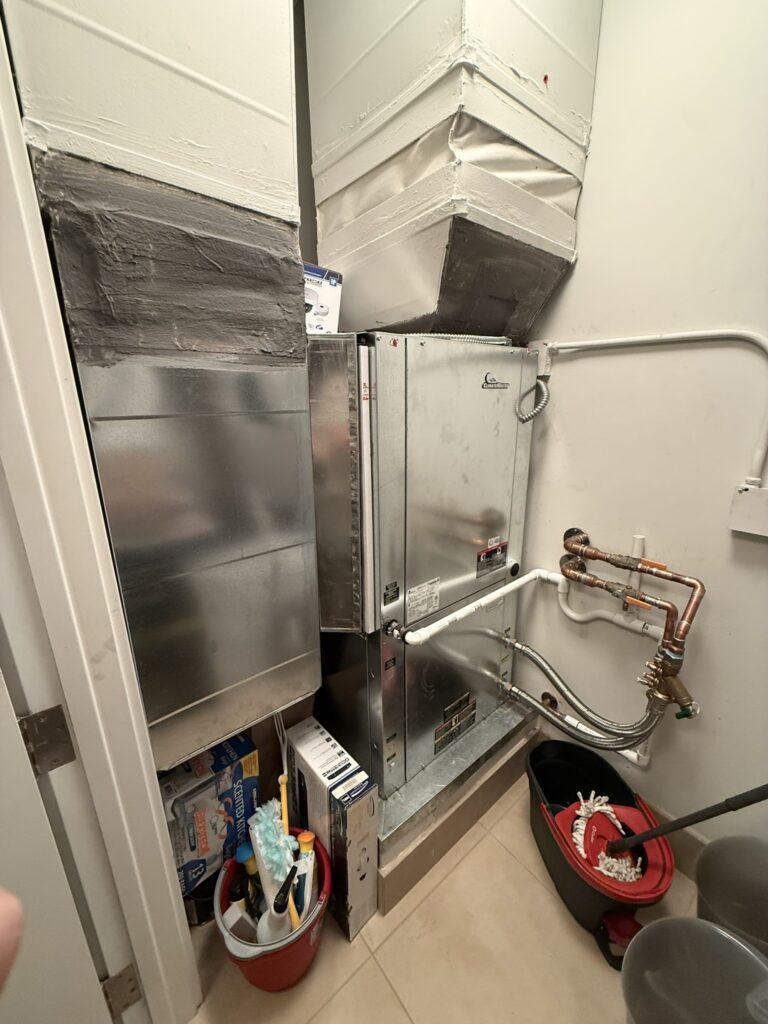
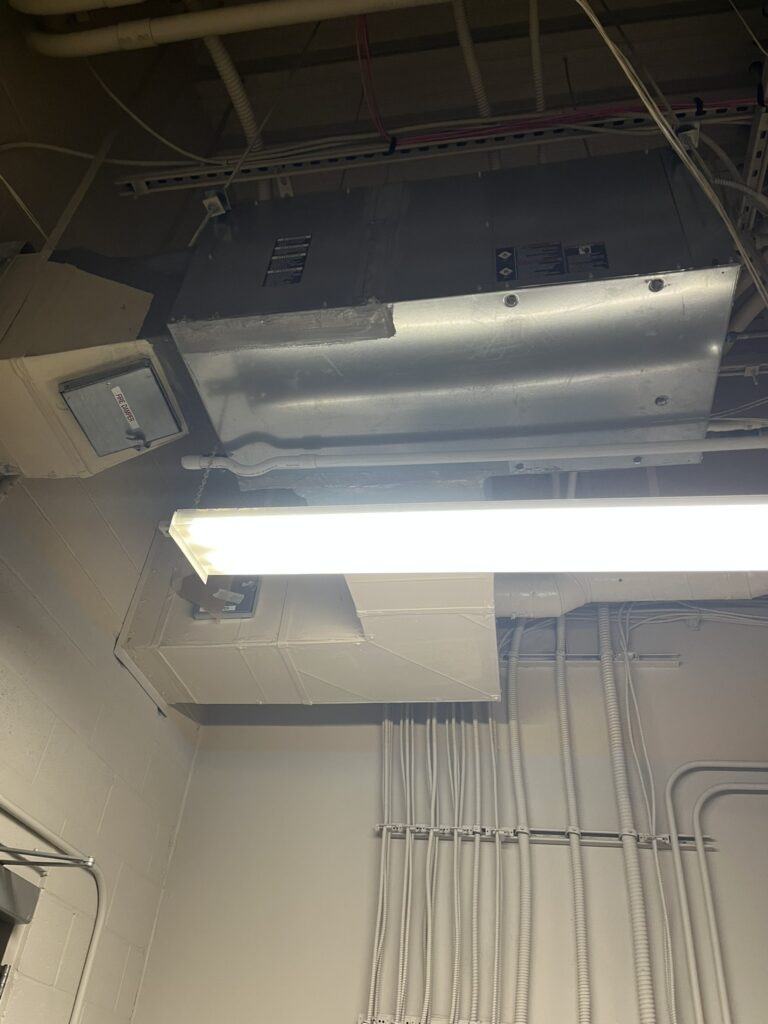
Photos from our own commercial projects — equipment we installed, in buildings we serviced.
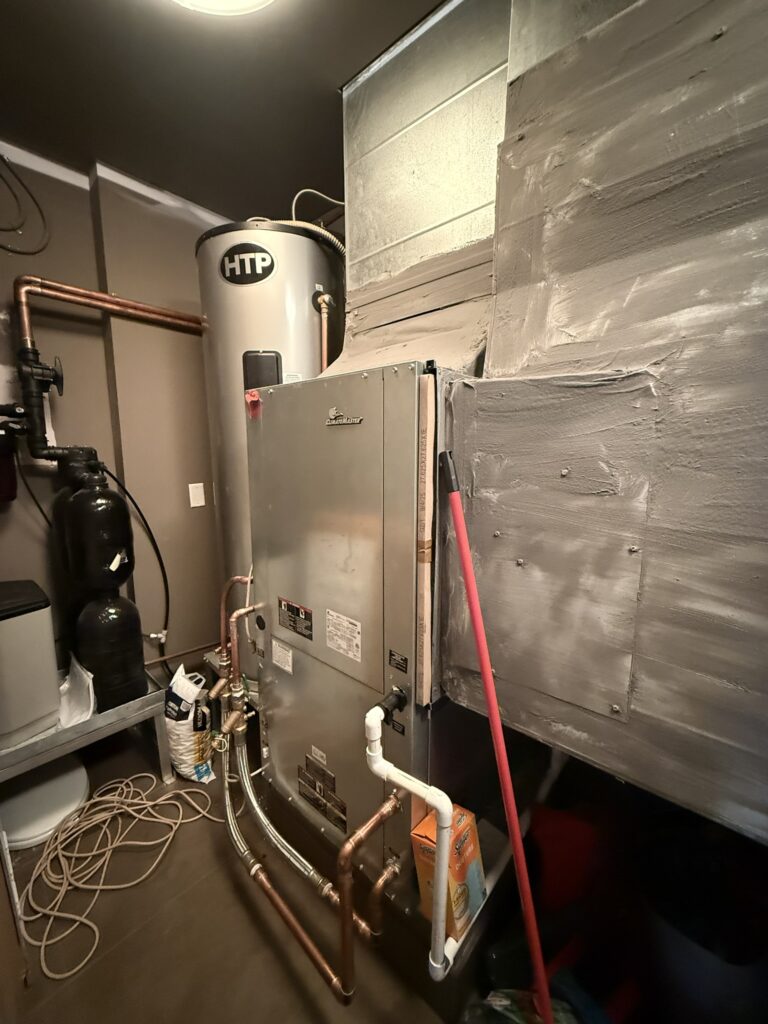
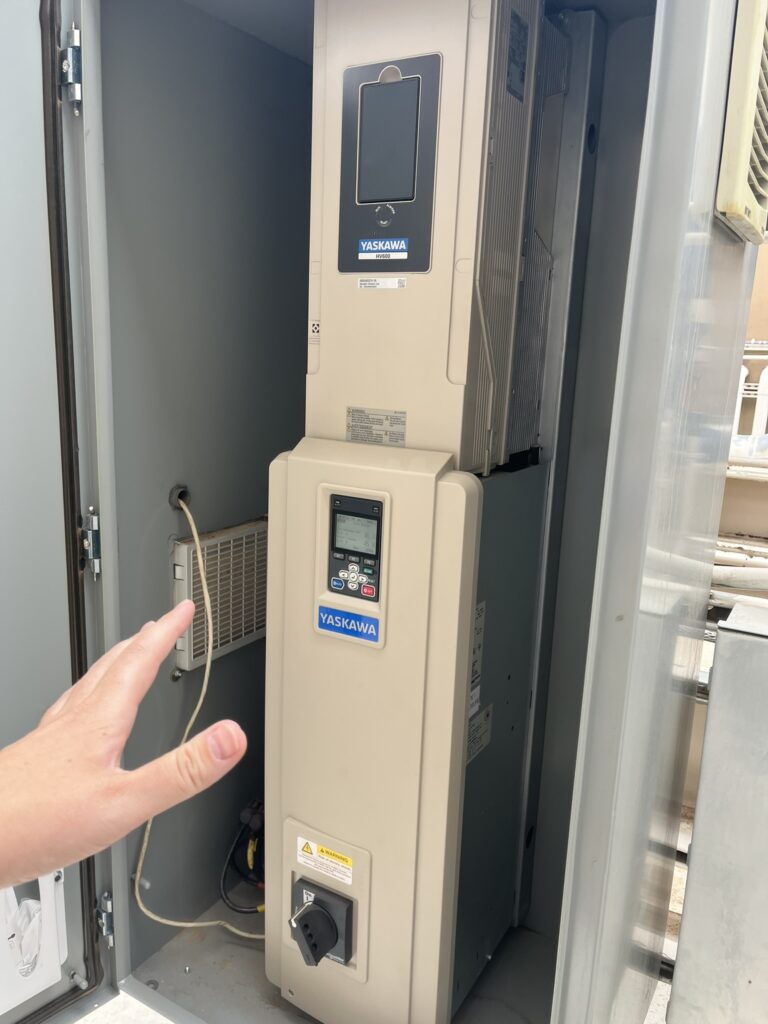
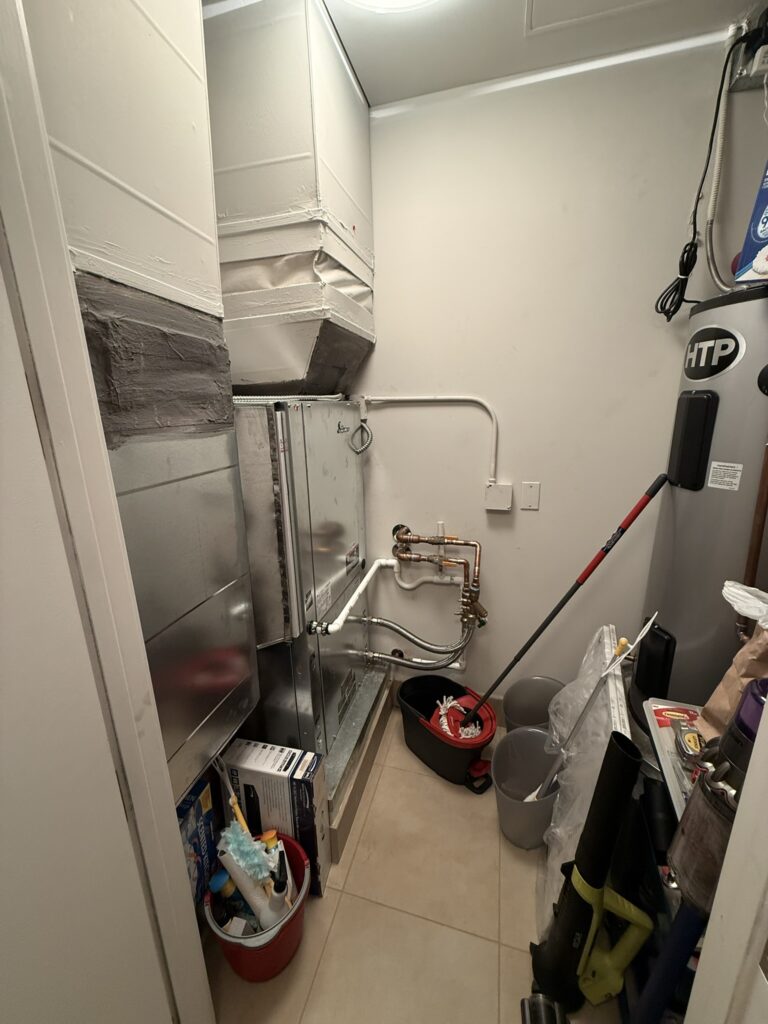
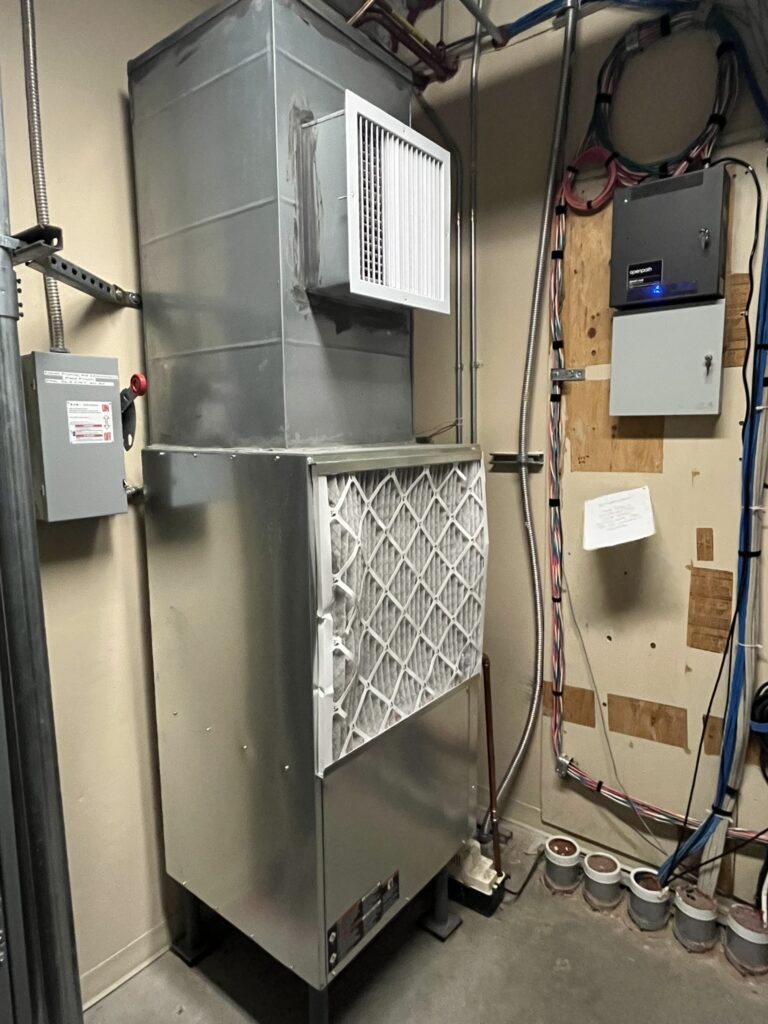
Every business claims comfort matters; a coworking space is one of the few where comfort literally is the product. Members aren’t locked into five-year leases — they’re month-to-month, day-pass, drop-in — and the week your floor runs hot or your phone booths turn stale, the competitor two blocks away is one canceled subscription from winning. Yeti Pros handles coworking space HVAC across the Phoenix metro, from downtown Phoenix towers to Tempe and Old Town Scottsdale storefronts: zoning, scheduling, event-load swings, and the buildout churn of the hybrid-work era. Veteran-owned and operated, ROC #363372 · ROC #363423, with a live human on the phone 24/7 at (520) 556-8929.
Comfort complaints are churn in disguise
Run an operator’s math and HVAC stops looking like overhead. Here’s why:
A member who works through three uncomfortable afternoons doesn’t file a maintenance ticket.
They let the membership lapse, and sometimes they mention the temperature in the review they post on the way out.
Multiply one lost dedicated desk across the months it takes to backfill it, and add the acquisition cost of the replacement member.
A single chronic hot zone can quietly outspend a year of preventive service. Operators who win in this market treat air the way they treat WiFi: invisible when it’s right, existential when it’s wrong, and never left to chance.
No building swings load like a coworking floor
A traditional office fills and empties on a schedule; a coworking space lurches. Monday at 8 a.m. the floor sits a quarter full. Thursday at 6 p.m. there’s a launch party with a hundred and fifty guests, catering trays, and a DJ against the window line. Conference weeks spike day passes; deep summer melts foot traffic entirely. Equipment sized and scheduled for a steady office short-cycles against the empty mornings and drowns during the packed nights.
Specific Solutions for Coworking Spaces
Occupied areas get capacity without conditioning the whole floor.
The space wins the first hour instead of chasing it.
Where the controls allow it.
Phone booths and podcast rooms are little heat traps
Everything that makes a phone booth good at sound makes it bad at air. These spaces quickly become stuffy and unusable, turning amenities into wasted investments. Podcast and recording rooms face compounded issues with equipment heat and zero tolerance for background noise.
Why They Overheat:
Soundproofing traps heat.
No air exchange.
Human, laptop, equipment heat.
Our Engineered Ventilation Solution:
We fix these spaces with ventilation engineered for them:
- Transfer-air paths
- Quiet inline fans
- Ducted supply and exhaust selected so nothing hums onto a recording
Small scopes, outsized effect on how usable the space feels.
24/7 member access without 24/7 utility bills
Round-the-clock access is table stakes in coworking, but conditioning an entire Phoenix floor plate all night for three night owls is a self-inflicted wound on the utility bill — especially through a Valley summer when the overnight low never leaves the 90s.
Our Architectural Solution:
Define a night zone that stays fully comfortable after hours.
Set the rest of the floor back on schedule.
Let occupancy patterns or badge data refine the boundaries over time.
The Benefits:
For Members
Members experience a space that’s always ready.
For Your Books
Your books experience a floor that’s only fully conditioned when people are actually on it.
Open plan versus private offices: the zoning fight
Every coworking floor fights the same physics. The open core is one big shared volume where no single temperature satisfies everyone; the glass-walled private offices along the perimeter trap solar gain like terrariums — and in Phoenix, west-facing glass in July is a genuine oven. One thermostat refereeing both is how you get sweaters in the open plan while office members prop their doors to survive. We rebalance airflow between the two worlds, add zone control where the original buildout skipped it, relocate sensors that were reading the wrong reality, and tune the perimeter against the Valley’s solar load. When the culprit turns out to be failing equipment rather than balance, commercial AC repair takes it from there. The goal everywhere is boring air — the kind nobody posts about.
The kitchen, the cold brew, and the ice
Amenity Refrigeration Challenges
Amenity refrigeration includes small equipment like the shared kitchen’s refrigerators, the cold-brew kegerator, and the ice machine behind the coffee bar. While none of it is mission-critical, their loud failure modes become apparent when the community Slack discovers the cold brew is warm. Valley water is also hard on this gear — scale steadily shortens the life of ice machines and draft components.
Our Proactive Service
We fold these assets into commercial refrigeration service visits so the amenities that anchor your community keep quietly working. To combat hard Valley water and extend equipment life, cleanings ride the regular schedule instead of waiting for the amenity to fail on event night.
Buildouts never really stop in the hybrid era
Hybrid work made coworking floor plans permanently provisional. An enterprise team takes a private suite, shrinks by half, and hands it back; open plan gets carved into team rooms; a lounge becomes event space and then becomes a lounge again. Every relocated wall changes the airflow the previous configuration assumed — a new conference room with no return path will roast forever, and a subdivided suite leaves one side holding the thermostat while the other holds the grievances. We run the mechanical scope on reconfigurations — duct rework, zone additions, controls, and full system installations where a new use demands one — and the cheapest moment to involve us is while the new layout is still a drawing.
Summer is the sales demo
Prospect Experience
Coworking tours don’t pause for the Phoenix summer — if anything, June through September is when the product has to prove itself. A prospect who walks in from a 114°F parking lot makes up half their mind in the first sixty seconds of lobby air, and every occupied desk they pass is quiet testimony about how the space runs.
Mechanical Strain
Summer is also when the mechanical margin disappears: rooftop equipment carrying monsoon dust on its coils has nothing extra to give on the day a heat wave and a full house arrive together.
That’s why our coworking accounts get coil cleaning and capacity checks before the season opens, not after the first complaint thread.
How we work with coworking operators
Our commercial HVAC division backs all of it.
The service fee is disclosed at booking and credited against the repair you approve. Repairs carry flat-rate written quotes before work begins.
Refrigerant work is performed and documented by EPA 608-certified technicians, and our written warranty sits on top of the Arizona ROC Minimum Workmanship Standards.
Operators who can’t afford surprise downtime put their space on a planned maintenance agreement — scheduled preventive service plus priority standing on our 24/7 emergency line.
Because we’re veteran-owned and operated, members and staff who served can claim a 10% military, veteran & first responder discount on HVAC work at home.
Coworking space HVAC questions from Phoenix operators
Members say the open floor is freezing while the glass offices bake. Why?
Classic zoning mismatch: one control strategy refereeing two different heat realities. Perimeter glass offices carry solar load the open core never sees. We rebalance airflow, add zone control where the buildout skipped it, and confirm sensors are actually reading the spaces they govern.
Can you stop us from cooling empty floors overnight?
Yes — that’s zoning and scheduling work. We define an after-hours comfort zone for night users, set back everything else, and tie the schedule to how your space is genuinely used. Most operators see the difference on the next utility bill.
We host evening events with a hundred-plus guests. How do we keep them comfortable?
Pre-cool the event zone ahead of arrival so the space banks capacity before the crowd lands, verify the ventilation can carry the headcount, and schedule equipment so it isn’t fighting from behind at 7 p.m. Share your event calendar and we’ll build it into the controls.
Our phone booths get stuffy within minutes. Is there a real fix?
Yes — sealed booths need deliberate air paths: transfer grilles, quiet inline fans, or small ducted supply and exhaust, selected so nothing is audible on a call. It’s a modest scope that returns booths to actual daily use.
We’re reconfiguring a floor next quarter. When should you get involved?
While it’s still a drawing. Reviewing the plan costs a conversation and catches missing returns, orphaned zones, and undersized rooms before drywall makes them expensive. We handle the mechanical scope end to end, permits included.
We lease our floors — how do you work with the building’s landlord?
We handle everything inside your premises and coordinate with the building engineer on anything base-building. Where responsibility blurs, we document what we find so the fix lands with the right party instead of stalling between two leases.
Cooling died on a summer weekday with a full house. Now what?
Call the line — a real person answers at any hour and dispatches by severity, and a packed coworking floor in Phoenix heat rides the front of the queue. You get a flat-rate quote before repair, and maintenance-agreement operators hold priority standing.
Do you also handle the kitchen refrigerators and the kegerator?
Yes — amenity refrigeration folds into your regular service scope, so the fridges, kegerator, and ice machine get checked on the same visits as the comfort equipment instead of waiting for a failure to introduce them.
Your members can leave tomorrow — give them one less reason. Call (520) 556-8929 for coworking space HVAC across the Phoenix metro — veteran-owned, ROC #363372 · ROC #363423.
Permits and inspections
Most repairs are ordinary service work; bigger scopes can involve city permitting. We perform our work to code, pull the permits our scope requires, and put what we did in writing.
What's covered
Workmanship is covered for two full years, in writing, and repair parts carry a 1-year manufacturer parts warranty — we document installs and repairs so those claims stay simple to make
Why a licensed HVAC contractor matters.
Commercial HVAC, industry by industry.
Every major brand, serviced and installed.



Phoenix metro: Most days a tech is already working somewhere in the Valley, so same-day appointments happen when the schedule allows. After-hours emergencies are dispatched when a licensed tech is available — a real person answers and tells you the ETA on the call.
Call (520) 556-8929Request an estimate.
No pressure, no door knockers. We look at the HVAC system, tell you what it needs (and what it doesn’t), and put the number in writing.